Mary Platt Parmele
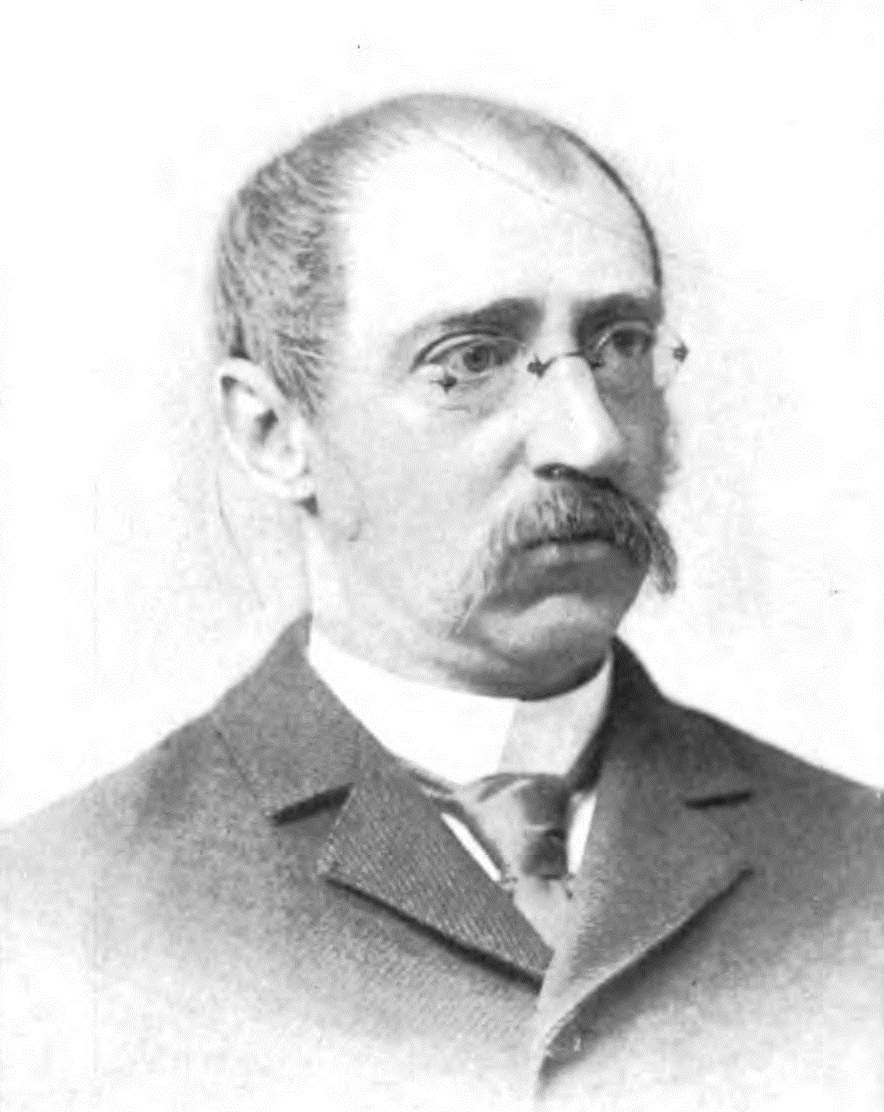
Mary Platt Parmele was an American historian and writer known for her contributions to historical literature in the late 19th and early 20th centuries. She gained prominence through her engaging narratives that made history accessible to a broader audience. Parmele's notable works include 'A Short History of the United States,' which presented a concise yet comprehensive overview of American history, and 'The History of the United States for Schools,' aimed at educating young readers. Her ability to distill complex historical events into relatable stories helped shape the way history was taught and understood during her time. Parmele's significance lies in her role as a pioneer in popular historical writing, particularly for a female author in an era when women's voices were often marginalized. She not only contributed to the field of history but also opened doors for future generations of women writers and historians. Her legacy endures through her works, which continue to be referenced for their clarity and engaging style, reflecting her belief in the importance of making history accessible to all.
Famous Quotes
View all 3 quotes“The story told in these quaint words was, without any doubt, read by Shakespeare and in the alembic of his imagination grew into the the immortal play. Touched by his genius, the names Dunsinnane and Birnam, lying close to Scone, are luminous points on the map, upon which the eye loves to linger. The incidents told may not be authentic. We are told they are not. But Macbeth certainly slew Duncan and was King of Scotland, and finally met his Nemesis at Dunsinnane, near Birnam Wood, where Malcom III, called Canmore, avenged his father's death, slew the usurper, and was crowned king at Scone, 1054.”
“defective social organization and an arrogant nobility that ruined Poland.”
“Teutonic Order," wearing black crosses on their shoulders, which, after fraternizing with the Livonian Knights, was going to absorb them—together with some other things—into their own more powerful organization. Russia had no armed warriors to meet these steel-clad Germans and Livonians.”
Books from the author


Link to this page
Add a free, dofollow link to Lex on your blog, forum, syllabus, or reading list.

<a href="https://lex-books.com/author/mary-platt-parmele"><img src="https://lex-books.com/badges/read-on-lex.svg" alt="Mary Platt Parmele on Lex" width="160" height="40"></a>[](https://lex-books.com/author/mary-platt-parmele)[url=https://lex-books.com/author/mary-platt-parmele][img]https://lex-books.com/badges/read-on-lex.svg[/img][/url]Mary Platt Parmele on Lex: https://lex-books.com/author/mary-platt-parmele