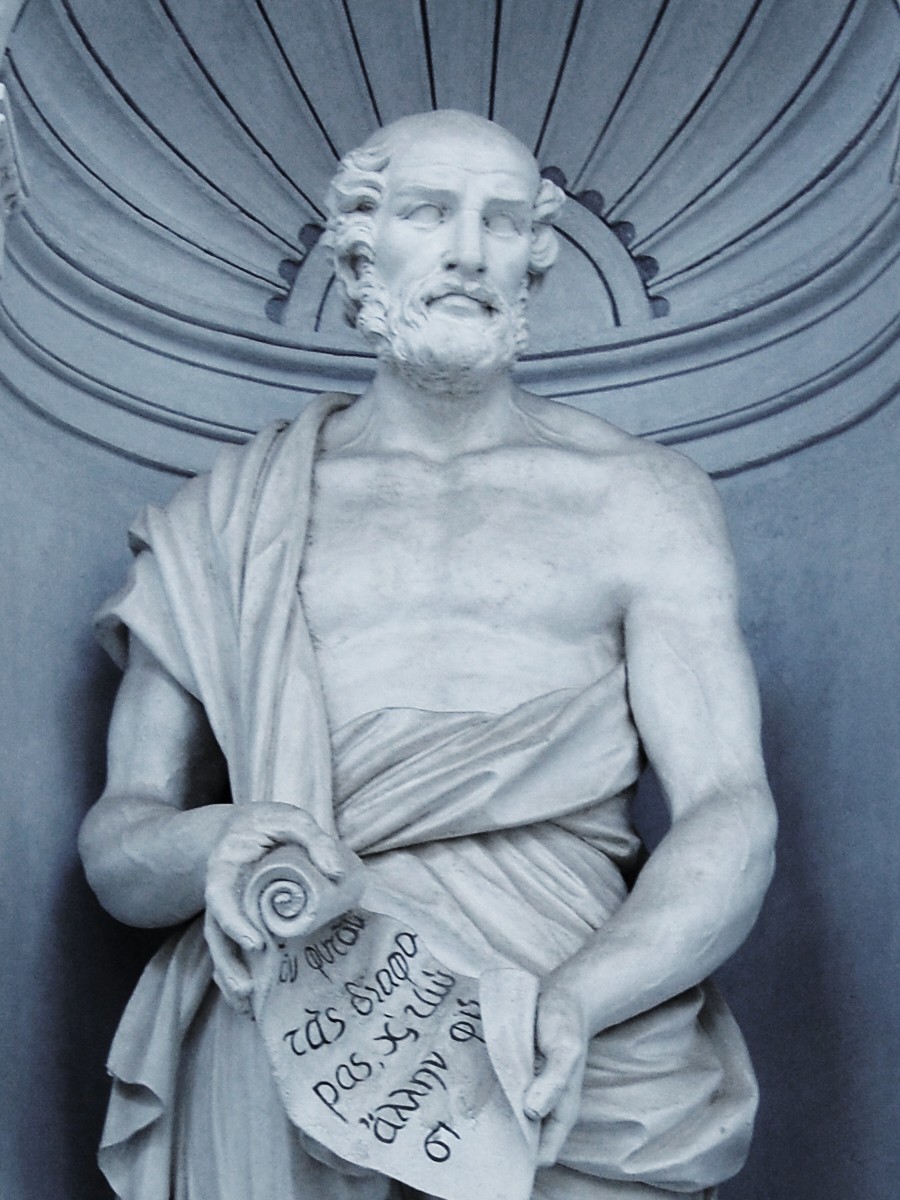
Theophrastus
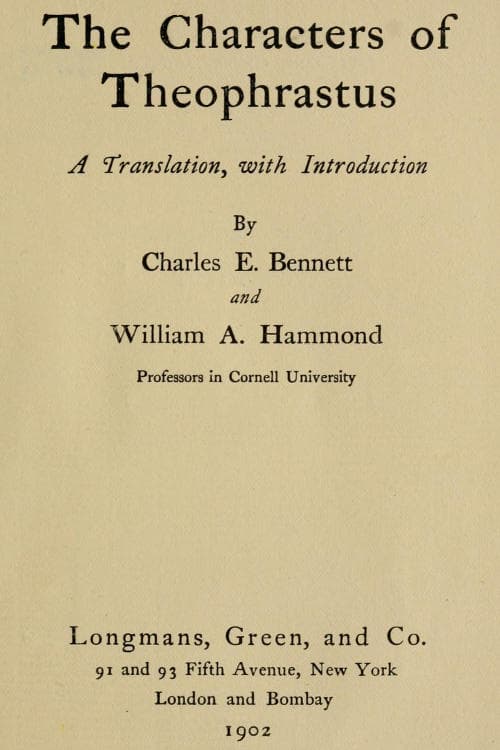
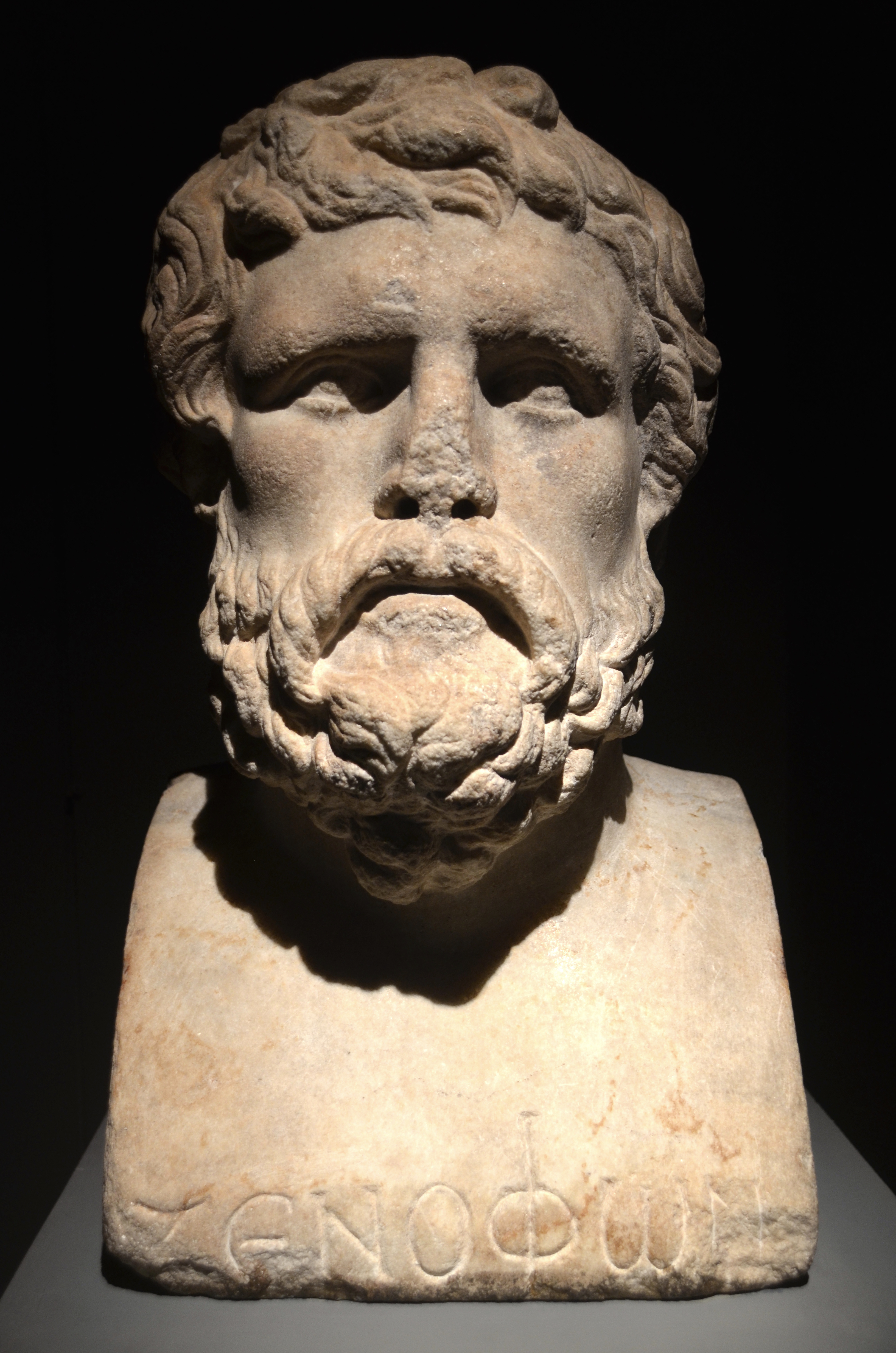
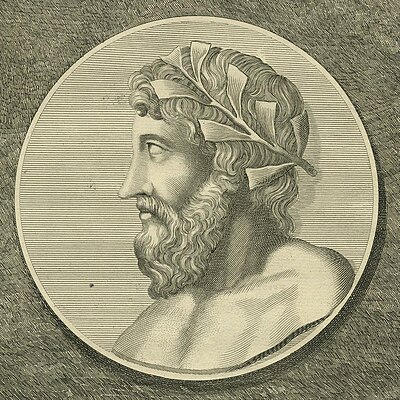
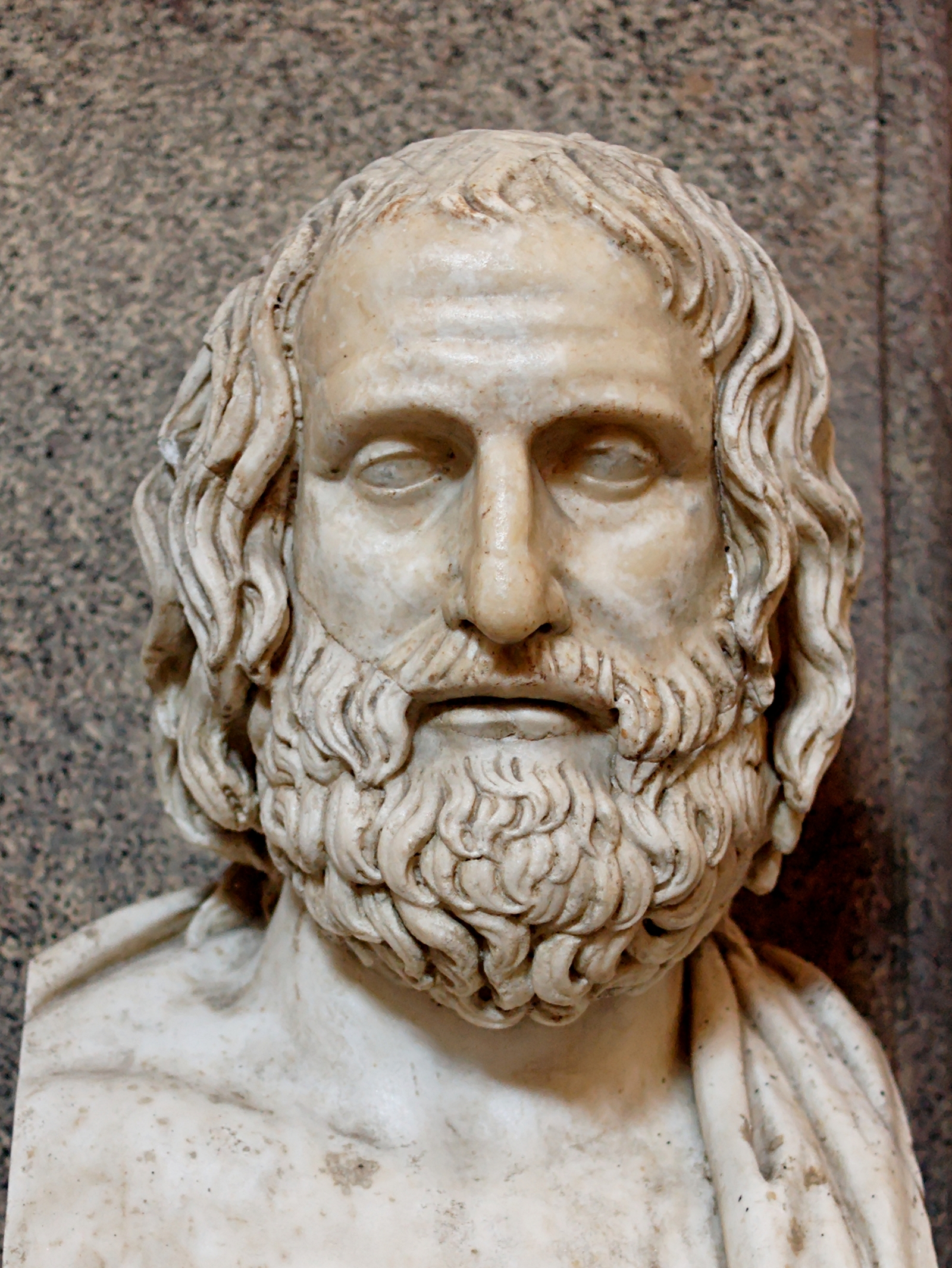
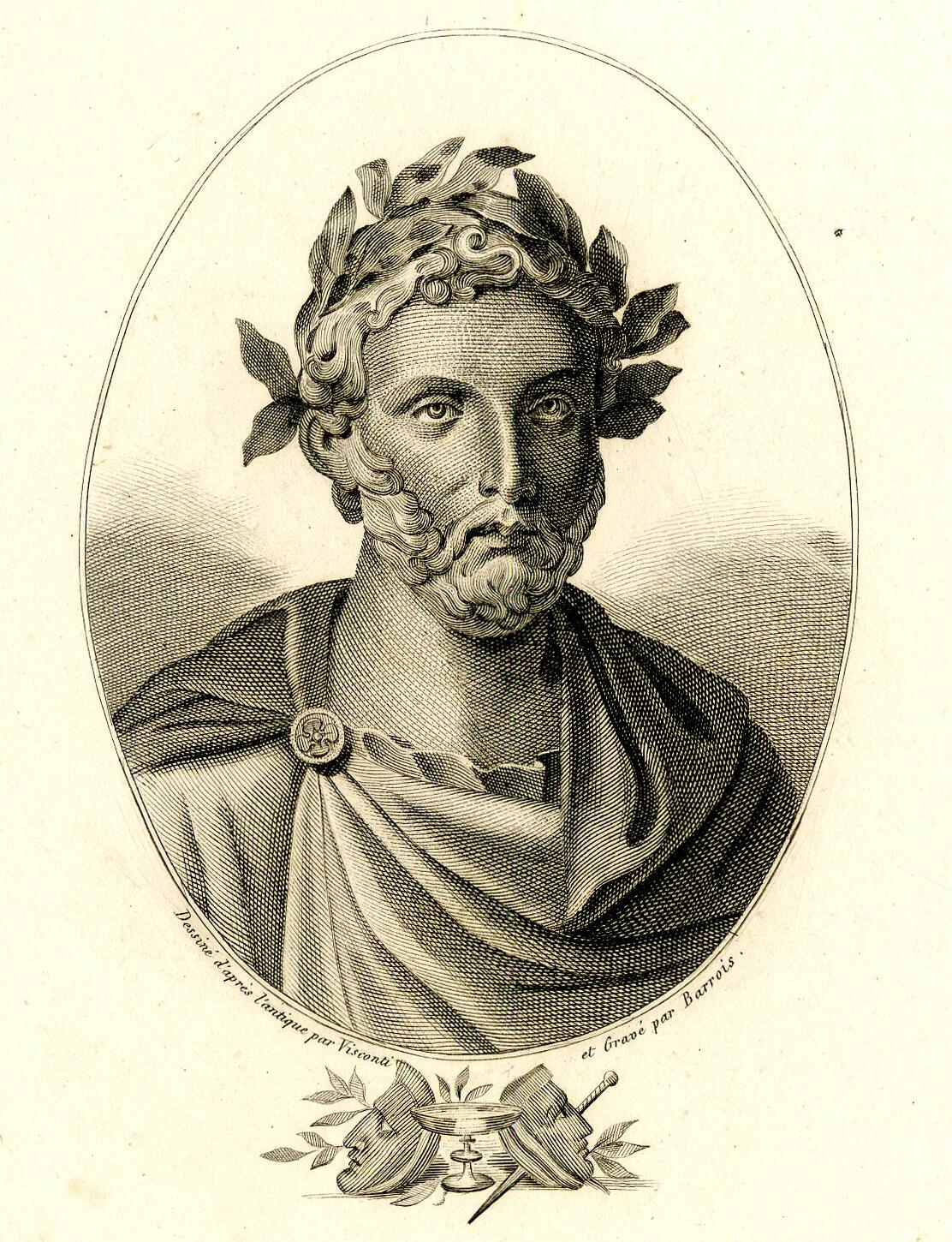
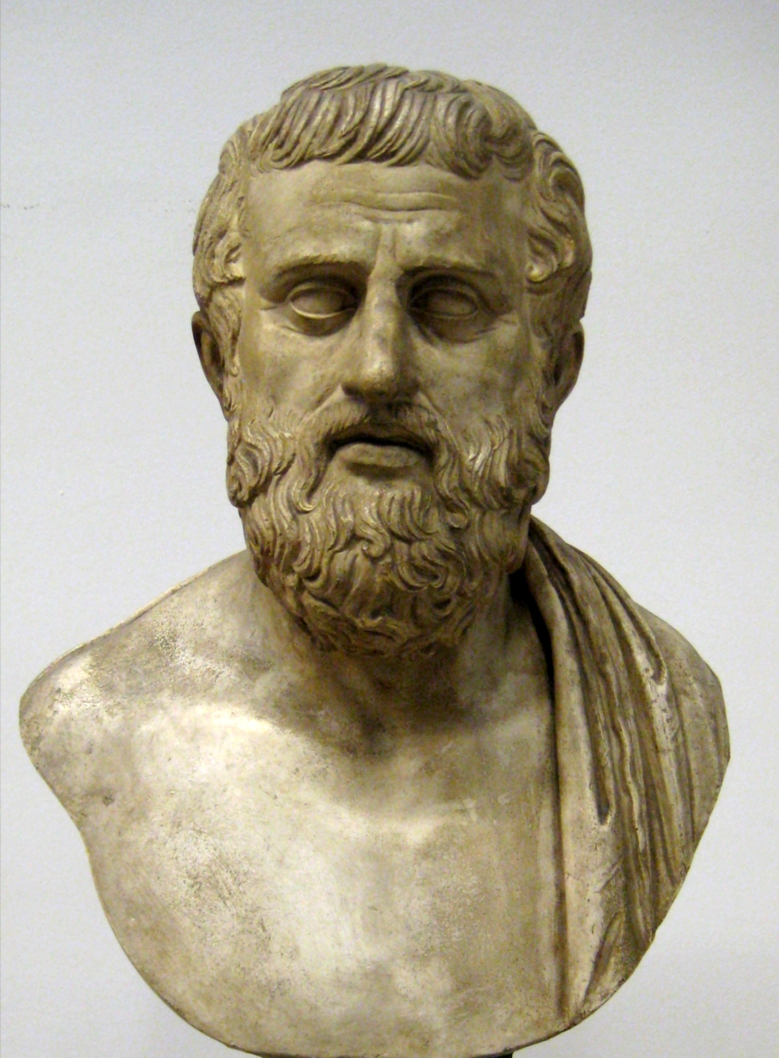
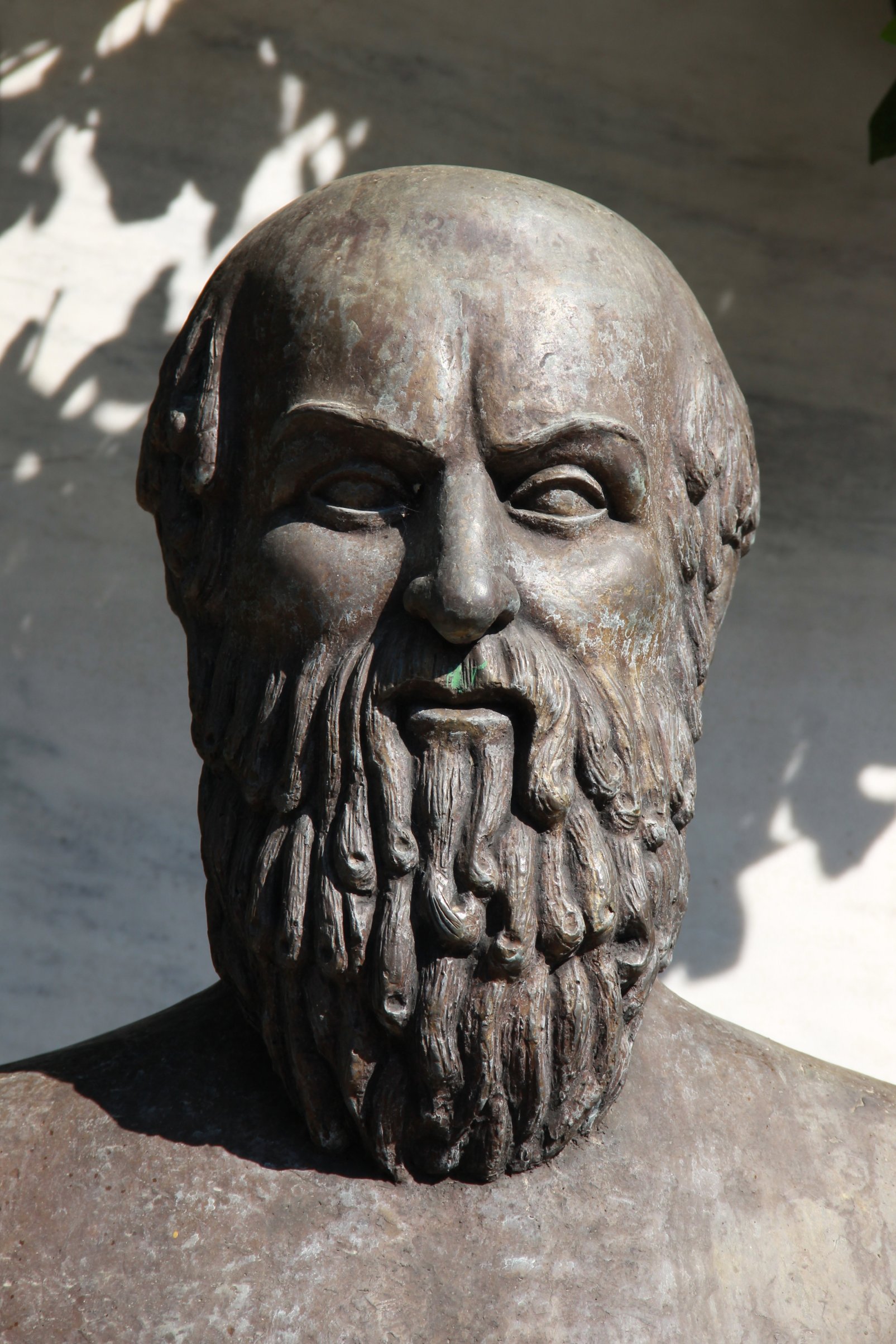
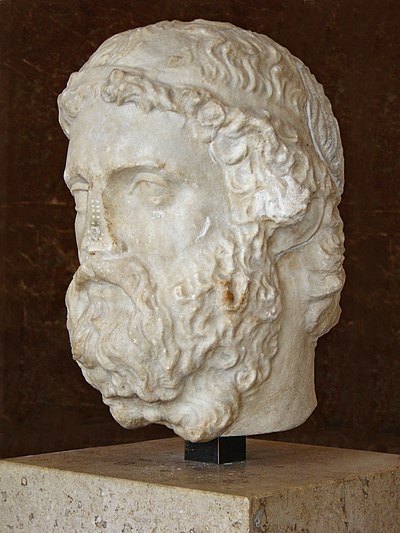
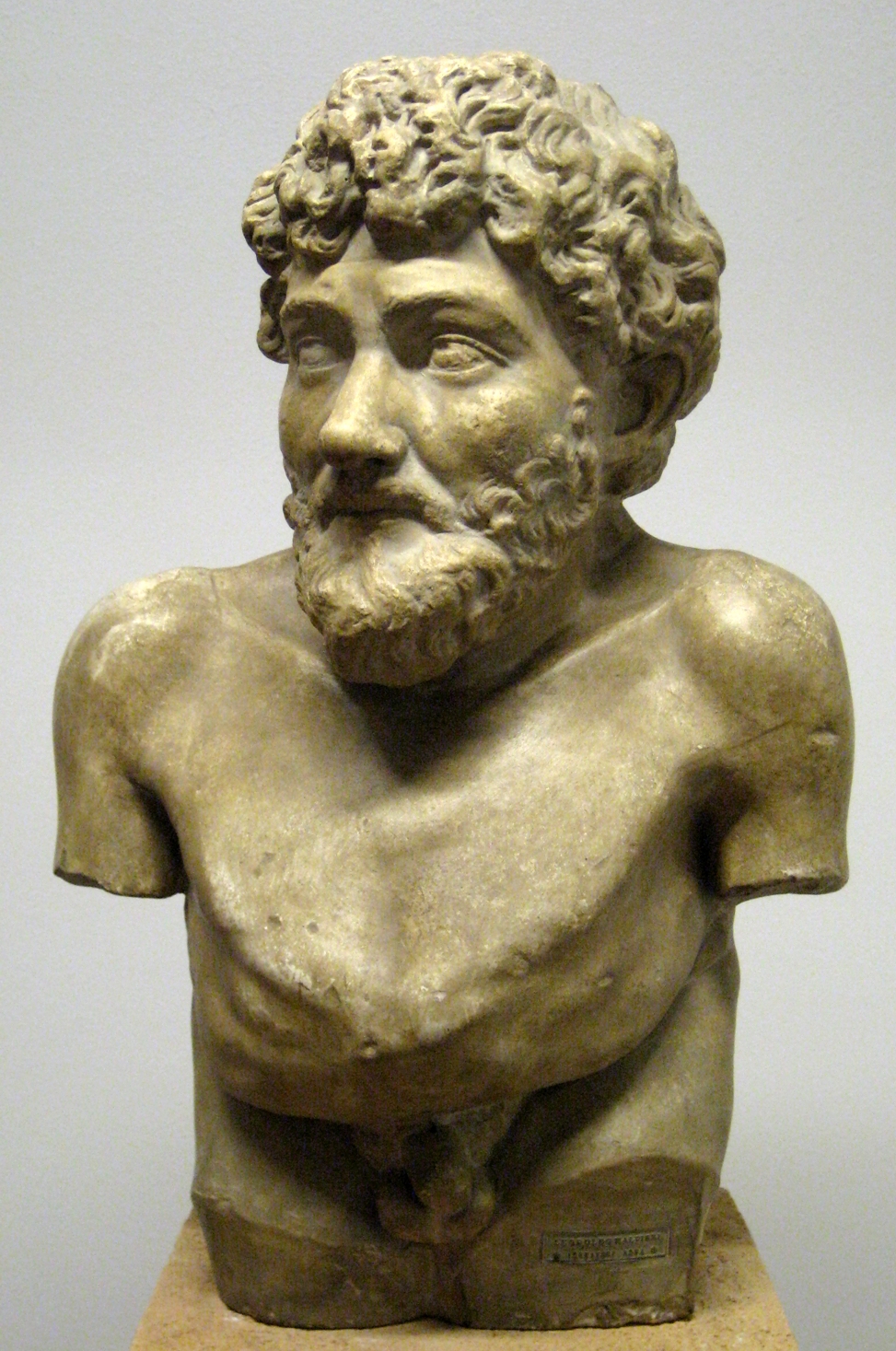
Theophrastus was a prominent Greek philosopher and naturalist, often regarded as the 'father of botany' due to his extensive work in the classification of plants. A student of Aristotle, he succeeded him as the head of the Lyceum in Athens, where he developed a systematic approach to the study of nature. His most notable works include 'Enquiry into Plants' and 'On the Causes of Plants,' which laid the groundwork for future botanical studies and influenced generations of scientists and philosophers. Theophrastus's observations and classifications were groundbreaking for their time, providing detailed descriptions of plant life and their uses in medicine and agriculture. In addition to his botanical contributions, Theophrastus also made significant strides in ethics and character analysis, particularly in his work 'Characters,' where he explored human personality traits through a series of vivid sketches. His insights into human behavior and moral philosophy were influential in both ancient and modern thought. Theophrastus's legacy endures as a foundational figure in both the natural sciences and the humanities, bridging the gap between empirical observation and philosophical inquiry, and his writings continue to be studied for their profound impact on the development of scientific methodology and ethical reflection.
Famous Quotes
View all 4 quotes“Time is the most valuable thing a man can spend.””
“Superstition would seem to be simply cowardice in regard to the supernatural.””
“There is no substance which is not a poison; all are poisonous. Only the dose determines.””
Books from the author




Link to this page
Add a free, dofollow link to Lex on your blog, forum, syllabus, or reading list.

<a href="https://lex-books.com/author/theophrastus"><img src="https://lex-books.com/badges/read-on-lex.svg" alt="Theophrastus on Lex" width="160" height="40"></a>[](https://lex-books.com/author/theophrastus)[url=https://lex-books.com/author/theophrastus][img]https://lex-books.com/badges/read-on-lex.svg[/img][/url]Theophrastus on Lex: https://lex-books.com/author/theophrastus