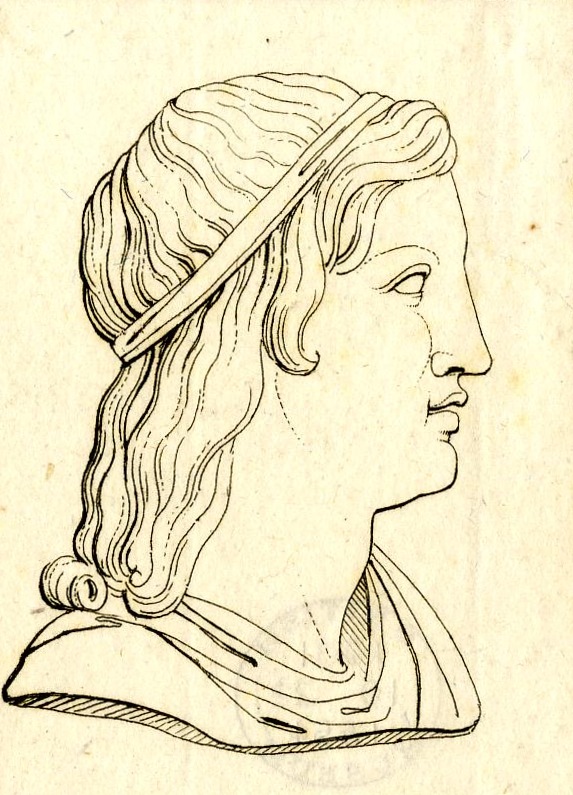
The Lives of the Twelve Caesars, Volume 03: Tiberius
The Lives of the Twelve Caesars, Volume 03: Tiberius
Translated by Alexander M.D. Thomson
Suetonius wrote this intimate, sometimes scandalous biography around 120 AD, making him closer in time to Tiberius than any modern historian. His account reads less like formal history and more like imperial gossip: he tells us the emperor's exact words to his stepfather Augustus, describes his physical flaws and sudden rages, catalogs his cruelties with gruesome specificity, and paints a portrait of a man who went from Rome's most promising general to a paranoid recluse hiding in the Villa of Tiberius on Capri. The volume traces Tiberius's rise through military triumphs and political maneuvering, his reluctant acceptance of imperial power, and his gradual transformation into the tyrant whose name became synonymous with cruelty. Yet Suetonius refuses to simplify: he gives us the emperor's moments of clemency alongside his atrocities, his competence alongside his paranoia. This is ancient biography at its most vivid and unflinching, a window into the mind of absolute power and what it does to a man who holds it.
Editions
X-Ray
The Roman Emperor, subject of the biography, known for his complex personality and increasingly cruel reign.
The first Roman Emperor, who adopted Tiberius and established the system of government Tiberius inherited.
Tiberius's mother and Augustus's wife, a powerful and ambitious woman who played a key role in Tiberius's succession.
Tiberius's adopted son and nephew, a highly popular and successful general whose early death was widely mourned and suspected to be at Tiberius's instigation.
About The Lives of the Twelve Caesars, Volume 03: Tiberius
Chapter Summaries
- I
- The chapter details the origins of the patrician Claudian family from Regilli, their migration to Rome, and their historical achievements, including numerous consulships and triumphs. It notes their rejection of the praenomen Lucius and their adoption of 'Nero,' meaning strong and valiant.
- II
- This chapter highlights both the signal services and delinquencies of various Claudii ancestors, such as Appius Caecus and Claudius Pulcher. It also contrasts the characters of two prominent Claudian women, one chaste and one treasonous, and notes the family's consistent patrician loyalties.
- III
- Tiberius's lineage is traced through both the Claudian and Livian families, emphasizing his descent from Appius Caecus. The chapter mentions distinguished Livii ancestors like Salinator and Drusus, noting their achievements and a family tradition of acquiring new surnames through valor.
Key Themes
- Power and Corruption
- The book vividly illustrates how absolute power corrupts Tiberius, transforming him from a seemingly capable and cautious leader into a tyrannical and debauched ruler. His initial moderation gives way to extreme cruelty and neglect of governance once he feels secure in his authority and secluded from public view.
- Hypocrisy and Dissimulation
- Tiberius consistently employs pretense, feigning reluctance to accept the imperial power he clearly desired, and later masking his cruelties under the guise of justice or reform. This dissimulation is a recurring motif, highlighting his cunning and manipulative nature in navigating the political landscape of Rome.
- Family Strife and Betrayal
- The narrative is rife with internal conflicts within the imperial family, including Tiberius's strained relationships with his mother Livia, his wives, his adopted son Germanicus, and his grandsons. These relationships are often characterized by suspicion, betrayal, and ultimately lead to the persecution and death of many family members, driven by ambition and paranoia.
Characters
- Tiberius Nero Caesar(protagonist)
- The Roman Emperor, subject of the biography, known for his complex personality and increasingly cruel reign.
- Augustus(supporting)
- The first Roman Emperor, who adopted Tiberius and established the system of government Tiberius inherited.
- Livia Drusilla(supporting)
- Tiberius's mother and Augustus's wife, a powerful and ambitious woman who played a key role in Tiberius's succession.
- Germanicus(supporting)
- Tiberius's adopted son and nephew, a highly popular and successful general whose early death was widely mourned and suspected to be at Tiberius's instigation.
- Drusus Nero (son of Tiberius)(supporting)
- Tiberius's biological son, whose dissolute life and eventual poisoning by his wife and Sejanus contributed to Tiberius's paranoia.
- Sejanus(antagonist)
- The ambitious Praetorian Prefect who gained immense power under Tiberius, plotted against the imperial family, and was eventually executed.
Link to this book
Add a free, dofollow link to Lex on your blog, forum, syllabus, or reading list.

<a href="https://lex-books.com/book/the-lives-of-the-twelve-caesars-volume-03-tiberius-1b4f7f5c-daa2-4f30-9c6c-54aea346b0d9"><img src="https://lex-books.com/badges/read-on-lex.svg" alt="Read The Lives of the Twelve Caesars, Volume 03: Tiberius by Suetonius free on Lex" width="160" height="40"></a>[](https://lex-books.com/book/the-lives-of-the-twelve-caesars-volume-03-tiberius-1b4f7f5c-daa2-4f30-9c6c-54aea346b0d9)[url=https://lex-books.com/book/the-lives-of-the-twelve-caesars-volume-03-tiberius-1b4f7f5c-daa2-4f30-9c6c-54aea346b0d9][img]https://lex-books.com/badges/read-on-lex.svg[/img][/url]Read The Lives of the Twelve Caesars, Volume 03: Tiberius by Suetonius free on Lex: https://lex-books.com/book/the-lives-of-the-twelve-caesars-volume-03-tiberius-1b4f7f5c-daa2-4f30-9c6c-54aea346b0d9Cite this book
Reading this edition for a paper or guide? Copy a citation.
Suetonius. The Lives of the Twelve Caesars, Volume 03: Tiberius. Lex, lex-books.com/book/the-lives-of-the-twelve-caesars-volume-03-tiberius-1b4f7f5c-daa2-4f30-9c6c-54aea346b0d9.Suetonius (n.d.). The Lives of the Twelve Caesars, Volume 03: Tiberius. Lex. https://lex-books.com/book/the-lives-of-the-twelve-caesars-volume-03-tiberius-1b4f7f5c-daa2-4f30-9c6c-54aea346b0d9Suetonius. The Lives of the Twelve Caesars, Volume 03: Tiberius. Lex. https://lex-books.com/book/the-lives-of-the-twelve-caesars-volume-03-tiberius-1b4f7f5c-daa2-4f30-9c6c-54aea346b0d9.