The Lives of the Twelve Caesars, Volume 08: Otho
The Lives of the Twelve Caesars, Volume 08: Otho
Translated by Alexander M.D. Thomson
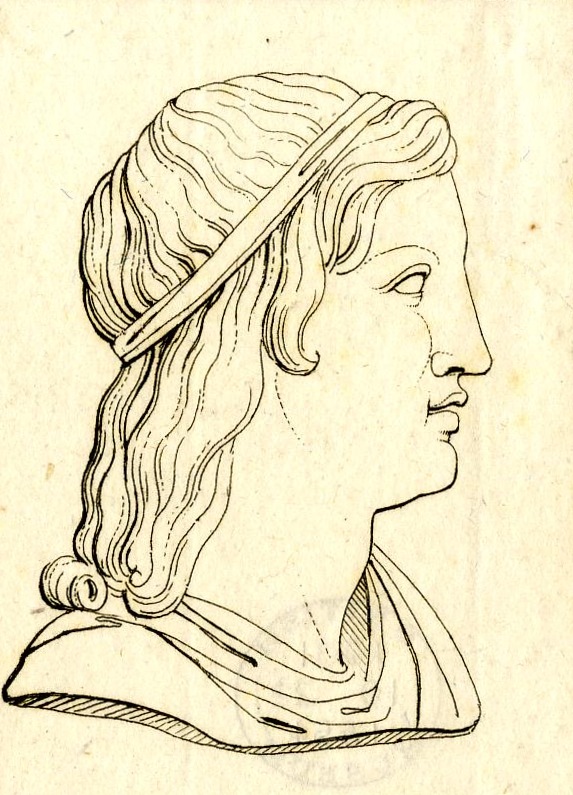
The shortest reign in Roman history lasted ninety days. Otho seized the throne in January 69 AD after orchestrating the assassination of his predecessor Galba, only to find himself battling Vitellius for control of the empire within months. When their armies collided at Bedriacum, Otho's forces crumbled. Rather than drag Rome into another civil war, he chose death with a knife rather than poison, a seemingly decadent man ending his life with surprising resolve. Suetonius, drawing on now-lost imperial archives, presents Otho as a portrait in contradiction: a man of excessive luxury and feminine demeanor who nonetheless proved capable of decisive action when catastrophe arrived. This brief life captures the chaos of 69 AD, the Year of the Four Emperors, when the Roman throne seemed to spin through contenders like a lottery. For readers drawn to political ambition, the fragility of power, or the strange complexity of human nature, Otho's story offers a compressed drama of rise and fall that unfolds in barely more than a season.
Editions
X-Ray
Roman Emperor who ruled for 95 days in 69 CE. Known for his vanity and effeminate habits, yet displayed unexpected courage and nobility in his final act of suicide to spare Rome further civil war.
Previous Roman Emperor whom Otho murdered to seize power. His refusal to adopt Otho and preference for Piso triggered Otho's violent coup.
Beautiful woman who was married to Otho but became Nero's mistress. Otho's passionate love for her led to his conflict with Nero and eventual exile.
Former Roman Emperor and Otho's friend who became his rival over Poppaea. Their relationship deteriorated from friendship to bitter enmity.
About The Lives of the Twelve Caesars, Volume 08: Otho
Chapter Summaries
- 1
- Describes Otho's noble Etruscan ancestry, focusing on his grandfather who became a senator through Livia's favor and his father Lucius Otho, a strict official beloved by Tiberius. Details the family's rise to prominence and Otho's noble lineage.
- 2
- Chronicles Otho's wild youth, his father's punishments, and his clever manipulation of a palace freedwoman to gain access to Nero. Describes how he became one of Nero's principal favorites through shared vices and mutual corruption.
- 3
- Details Otho's marriage to Poppaea Sabina, his passionate love for her, and the conflict with Nero over her affections. Describes how Otho's refusal to give her up led to his exile as lieutenant-governor of Lusitania, where he served honorably for ten years.
Key Themes
- Vanity vs. Nobility
- Otho's character embodies the paradox of extreme personal vanity coupled with ultimate noble sacrifice. His effeminate grooming habits and obsession with appearance contrast sharply with his courageous final act of suicide to spare Rome further bloodshed.
- The Corrupting Nature of Power
- The narrative shows how the pursuit of imperial power corrupts relationships and moral judgment. Otho's friendship with Nero dissolves over Poppaea, and his desperation for power leads him to murder and civil war.
- Fate and Prophecy
- Seleucus's prophecies drive much of Otho's political ambition, illustrating the Roman belief in destiny and the dangerous influence of fortune-tellers on political decisions. The fulfillment of these prophecies raises questions about predetermined fate versus personal choice.
Characters
- Marcus Salvius Otho(protagonist)
- Roman Emperor who ruled for 95 days in 69 CE. Known for his vanity and effeminate habits, yet displayed unexpected courage and nobility in his final act of suicide to spare Rome further civil war.
- Galba(major)
- Previous Roman Emperor whom Otho murdered to seize power. His refusal to adopt Otho and preference for Piso triggered Otho's violent coup.
- Poppaea Sabina(major)
- Beautiful woman who was married to Otho but became Nero's mistress. Otho's passionate love for her led to his conflict with Nero and eventual exile.
- Nero(major)
- Former Roman Emperor and Otho's friend who became his rival over Poppaea. Their relationship deteriorated from friendship to bitter enmity.
- Vitellius(antagonist)
- Roman general whose armies defeated Otho at the Battle of Bedriacum. His victory led directly to Otho's suicide.
- Lucius Otho(minor)
- Otho's father, a strict and honorable Roman official who served as proconsul of Africa. He was beloved by Tiberius and resembled him physically.
Link to this book
Add a free, dofollow link to Lex on your blog, forum, syllabus, or reading list.

<a href="https://lex-books.com/book/the-lives-of-the-twelve-caesars-volume-08-otho-52d59faf-e31e-45d2-b196-ebb0ca87d8a2"><img src="https://lex-books.com/badges/read-on-lex.svg" alt="Read The Lives of the Twelve Caesars, Volume 08: Otho by Suetonius free on Lex" width="160" height="40"></a>[](https://lex-books.com/book/the-lives-of-the-twelve-caesars-volume-08-otho-52d59faf-e31e-45d2-b196-ebb0ca87d8a2)[url=https://lex-books.com/book/the-lives-of-the-twelve-caesars-volume-08-otho-52d59faf-e31e-45d2-b196-ebb0ca87d8a2][img]https://lex-books.com/badges/read-on-lex.svg[/img][/url]Read The Lives of the Twelve Caesars, Volume 08: Otho by Suetonius free on Lex: https://lex-books.com/book/the-lives-of-the-twelve-caesars-volume-08-otho-52d59faf-e31e-45d2-b196-ebb0ca87d8a2Cite this book
Reading this edition for a paper or guide? Copy a citation.
Suetonius. The Lives of the Twelve Caesars, Volume 08: Otho. Lex, lex-books.com/book/the-lives-of-the-twelve-caesars-volume-08-otho-52d59faf-e31e-45d2-b196-ebb0ca87d8a2.Suetonius (n.d.). The Lives of the Twelve Caesars, Volume 08: Otho. Lex. https://lex-books.com/book/the-lives-of-the-twelve-caesars-volume-08-otho-52d59faf-e31e-45d2-b196-ebb0ca87d8a2Suetonius. The Lives of the Twelve Caesars, Volume 08: Otho. Lex. https://lex-books.com/book/the-lives-of-the-twelve-caesars-volume-08-otho-52d59faf-e31e-45d2-b196-ebb0ca87d8a2.