
Eça de Queirós
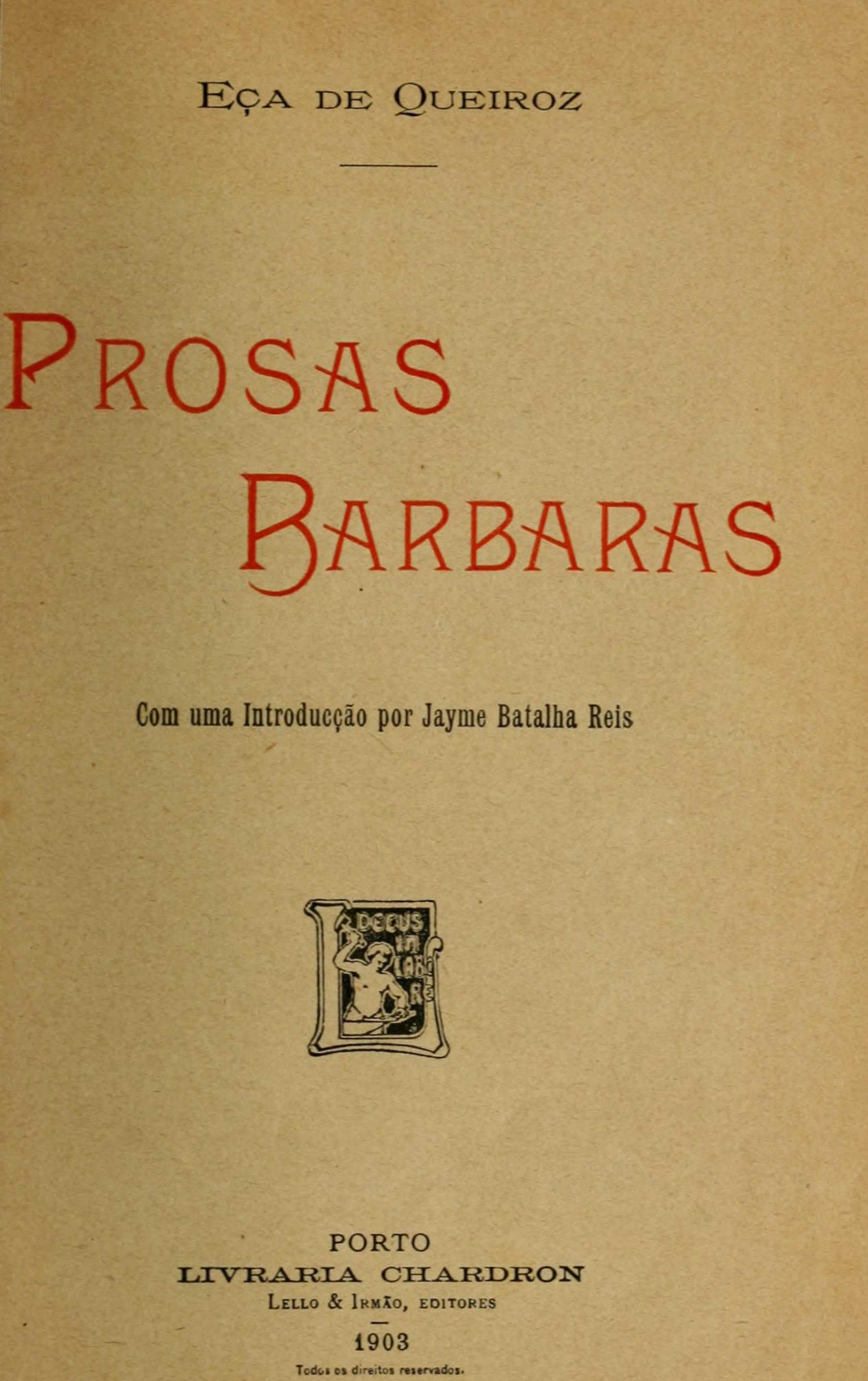
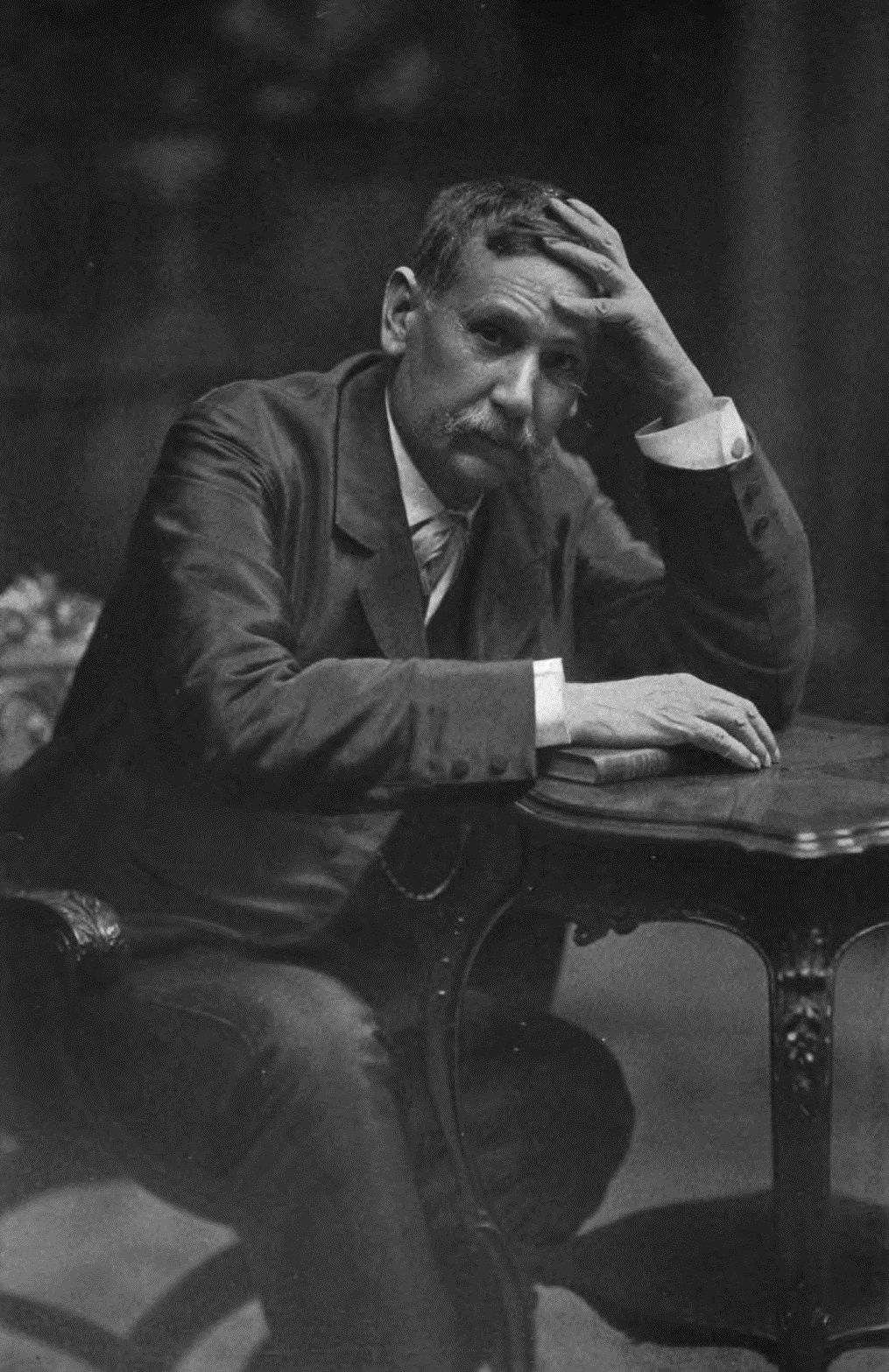
Eça de Queirós was a prominent Portuguese novelist and playwright, widely regarded as one of the most significant figures in 19th-century Portuguese literature. Born in the city of Póvoa de Varzim, he was educated in law and later became a diplomat, which allowed him to travel extensively and experience various cultures. His literary career began with the publication of his first novel, 'O Crime do Padre Amaro' (The Crime of Father Amaro), which tackled themes of hypocrisy within the Catholic Church and societal norms, establishing him as a voice of social criticism in Portugal. His works often reflected the influence of realism and naturalism, drawing comparisons to contemporaries like Émile Zola and Gustave Flaubert. Queirós's most notable works include 'Os Maias' (The Maias), a sweeping family saga that critiques the Portuguese bourgeoisie, and 'A Ilustre Casa de Ramires' (The Illustrious House of Ramires), which explores themes of identity and cultural heritage. His writing is characterized by its rich detail, sharp wit, and profound psychological insight, making him a precursor to modernist literature in Portugal. Eça de Queirós's legacy endures as he is celebrated for his innovative narrative techniques and his ability to address complex social issues, positioning him as a foundational figure in the evolution of Portuguese literature.
Famous Quotes
View all 19 quotes“Politicians and diapers should be changed frequently, and for the same reason.””
“- Falhamos a vida, menino! - Creio que sim... Mas todo o mundo mais ou menos a falha. Isto é, falha-se sempre na realidade aquela vida que se planeou com a imaginação. Diz-se: «vou ser assim, porque a beleza está em ser assim». E nunca se é assim, é-se invariavelmente assado, como dizia o pobre marquês. Ás vezes melhor, mas sempre diferente.””
“É extraordinário! Neste abençoado país todos os políticos têm «imenso talento». A oposição confessa sempre que os ministros, que ela cobre de injúrias, tem, à parte os disparates que fazem, um «talento de primeira ordem»! Por outro lado a maioria admite que a oposição, a quem ela contantemente recrimina pelos disparates que fez, está cheia de «robustíssimos talentos»! De resto todo o mundo concorda que o país é uma choldra. E resulta portanto este facto supracómico: um país governado «com imenso talento», que é de todos na Europa, segundo o consenso unânime, o mais estùpidamente governado! Eu proponho isto, a ver: que, como os talentos sempre falham, se experimentem uma vez os imbecis!””
Books from the author
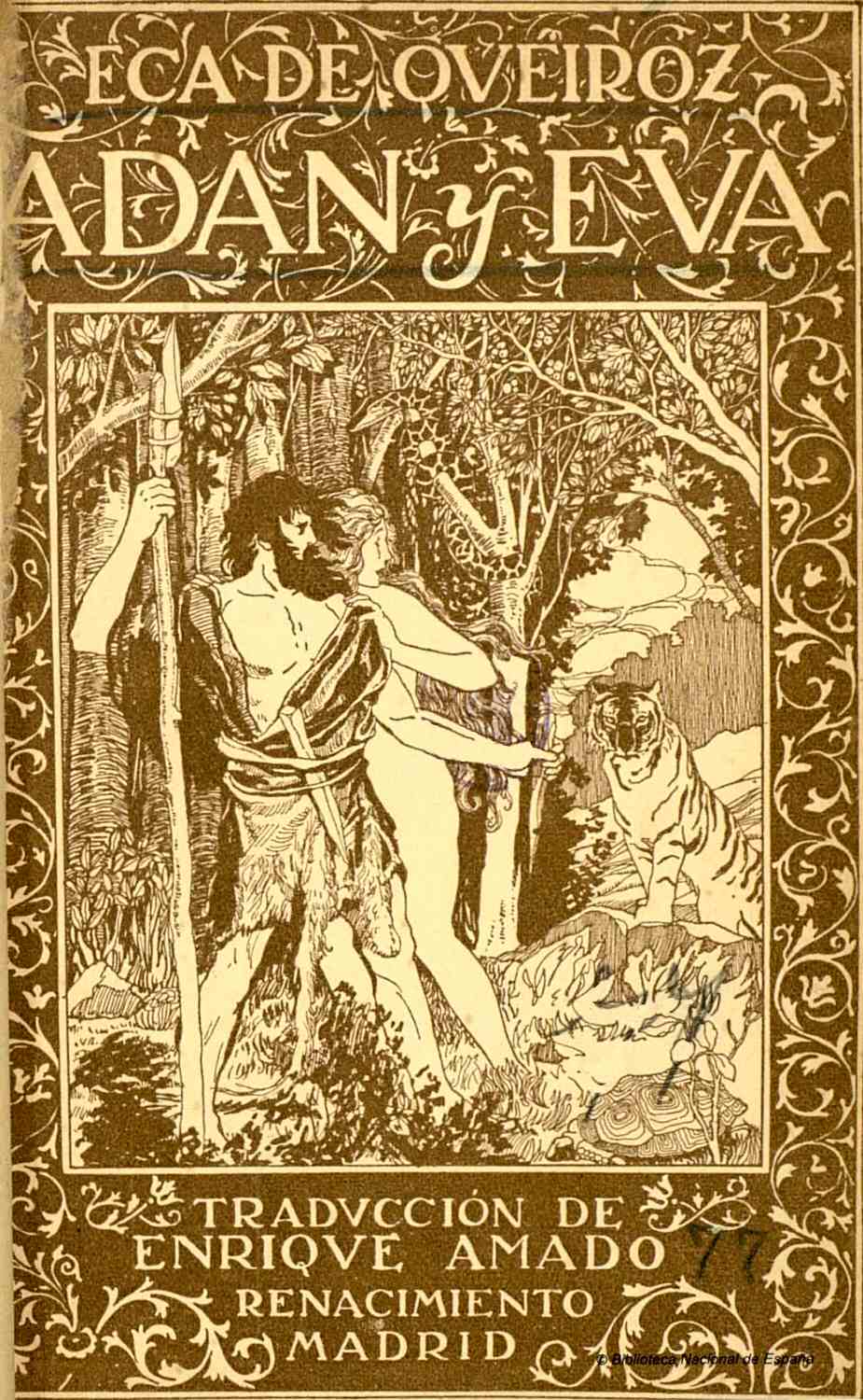
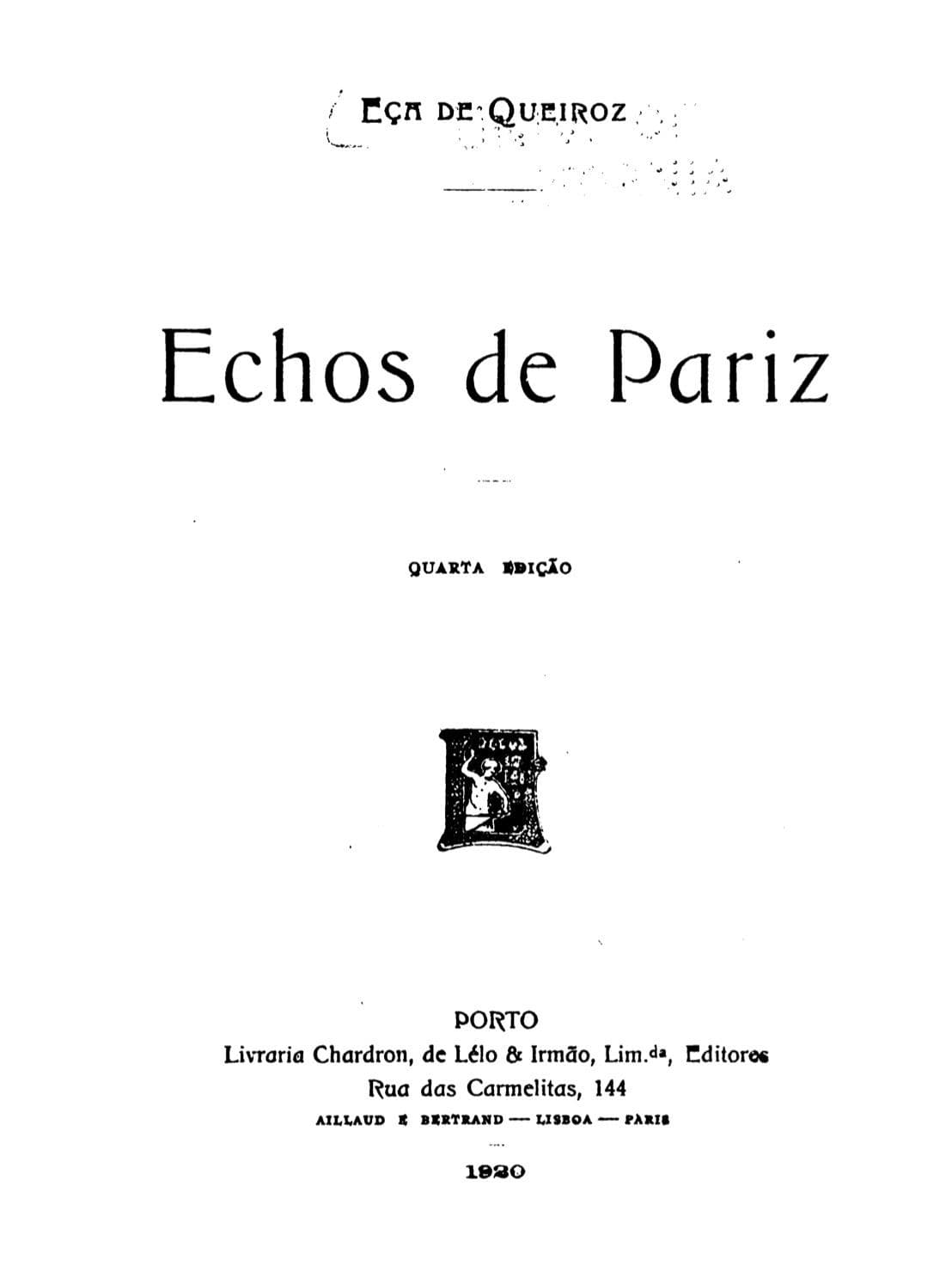



Link to this page
Add a free, dofollow link to Lex on your blog, forum, syllabus, or reading list.

<a href="https://lex-books.com/author/eça-de-queirós"><img src="https://lex-books.com/badges/read-on-lex.svg" alt="Eça de Queirós on Lex" width="160" height="40"></a>[](https://lex-books.com/author/eça-de-queirós)[url=https://lex-books.com/author/eça-de-queirós][img]https://lex-books.com/badges/read-on-lex.svg[/img][/url]Eça de Queirós on Lex: https://lex-books.com/author/eça-de-queirós