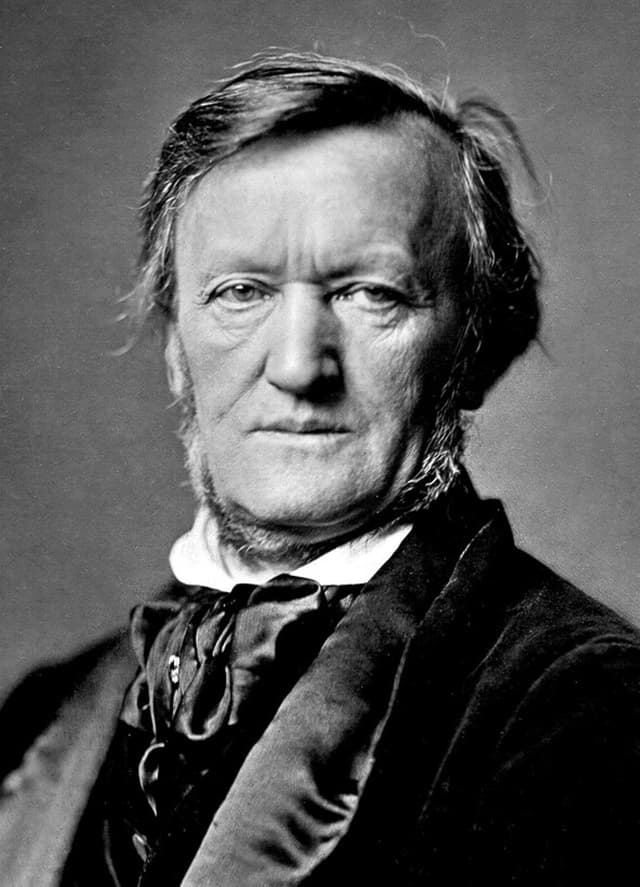
Richard Wagner
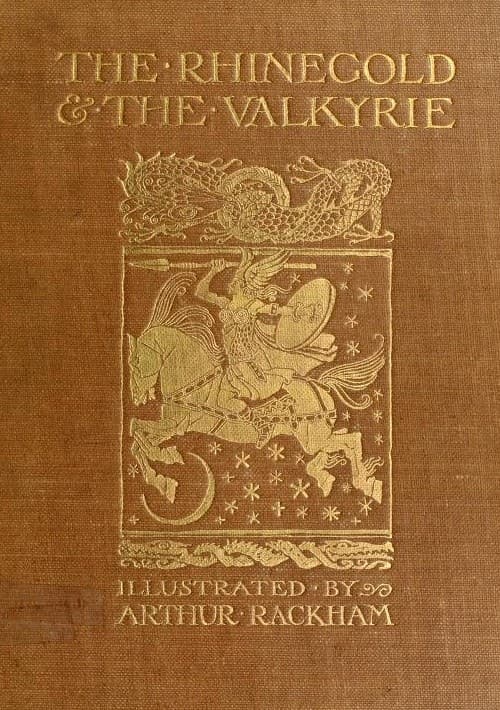
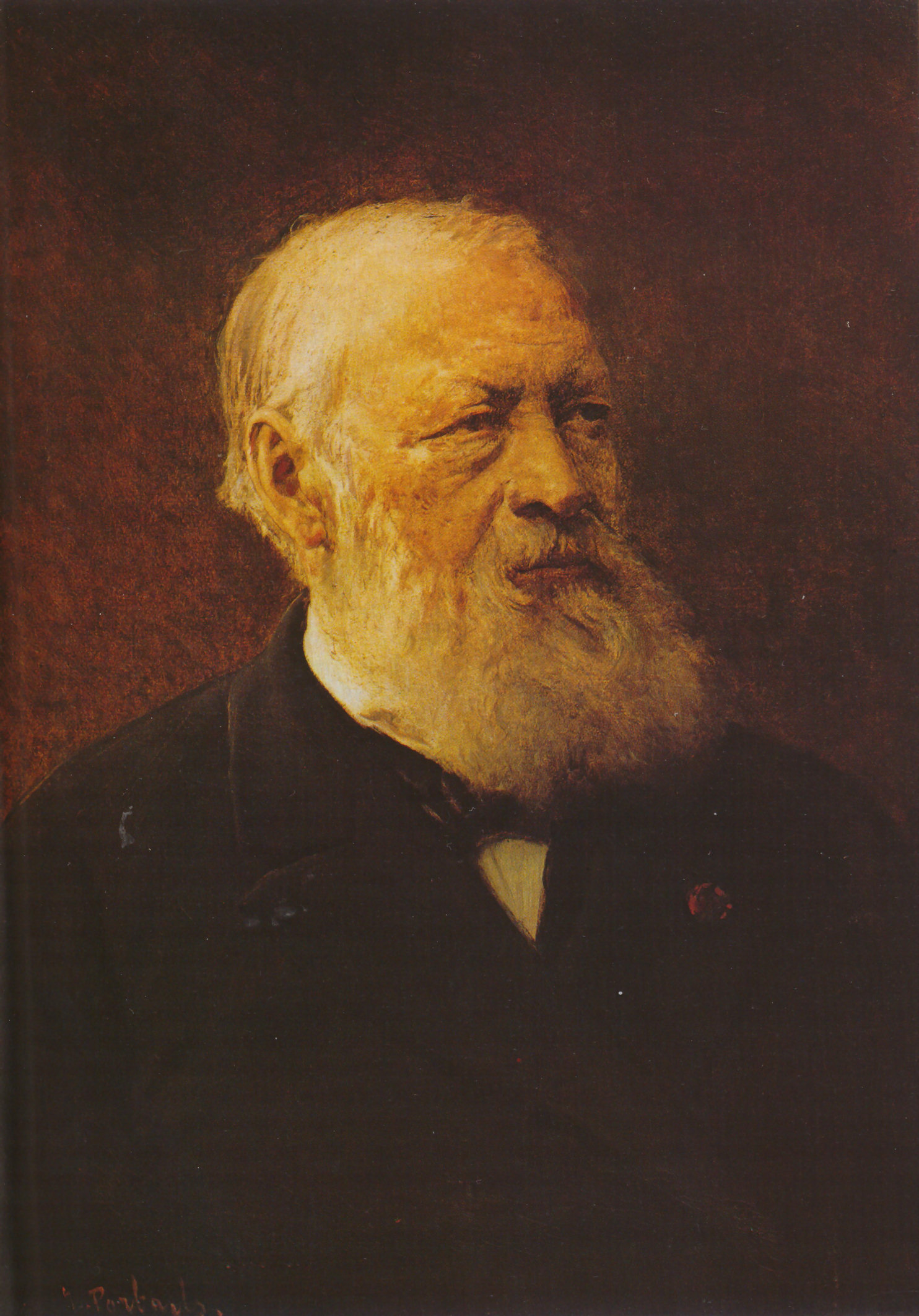
Wilhelm Richard Wagner was a German composer, theatre director, essayist, and conductor, renowned for his revolutionary contributions to opera, which he referred to as music dramas. Unlike many of his contemporaries, Wagner was unique in that he wrote both the libretti and the music for his works, allowing him to create a cohesive artistic vision. He first gained recognition within the Romantic tradition, but his innovative concept of Gesamtkunstwerk, or 'total work of art,' transformed the genre by merging poetic, musical, visual, and dramatic elements into a singular experience. This approach is exemplified in his monumental four-opera cycle, Der Ring des Nibelungen, where the narrative unfolds as a continuously sung drama, with music that evolves organically from the text. Wagner's later compositions, particularly Tristan und Isolde, showcased complex textures and rich harmonies, pushing the boundaries of musical language and influencing the trajectory of classical music. He introduced elaborate leitmotifs—musical phrases associated with specific characters or themes—which became a hallmark of his style. In his final works, such as Die Meistersinger von Nürnberg and Parsifal, Wagner re-embraced traditional operatic forms, demonstrating an evolution in his artistic approach. To realize his vision, he commissioned the Bayreuth Festspielhaus, an opera house designed specifically for his works, which continues to host the annual Bayreuth Festival, celebrating his legacy and the innovations he brought to the world of music and drama.
Famous Quotes
View all 13 quotes“Joy is not in things; it is in us””
“I believe in God, Mozart and Beethoven, and likewise their disciples and apostles; - I believe in the Holy Spirit and the truth of the one, indivisible Art; - I believe that this Art proceeds from God, and lives within the hearts of all illumined men; - I believe that he who once has bathed in the sublime delights of this high Art, is consecrate to Her for ever, and never can deny Her; - I believe that through Art all men are saved.””
“Imagination creates reality.””
Books from the author
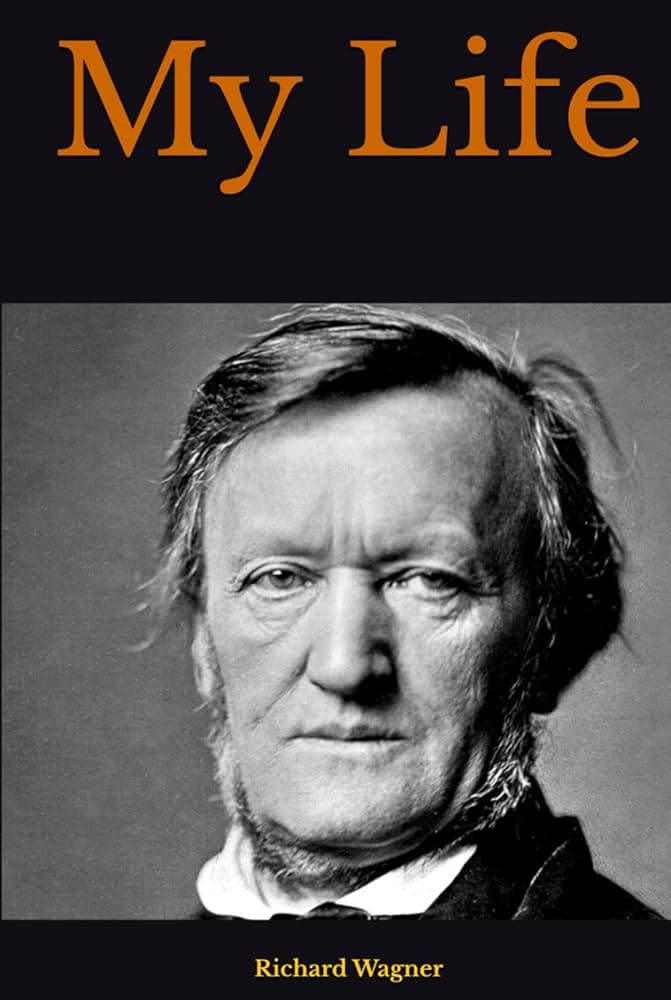
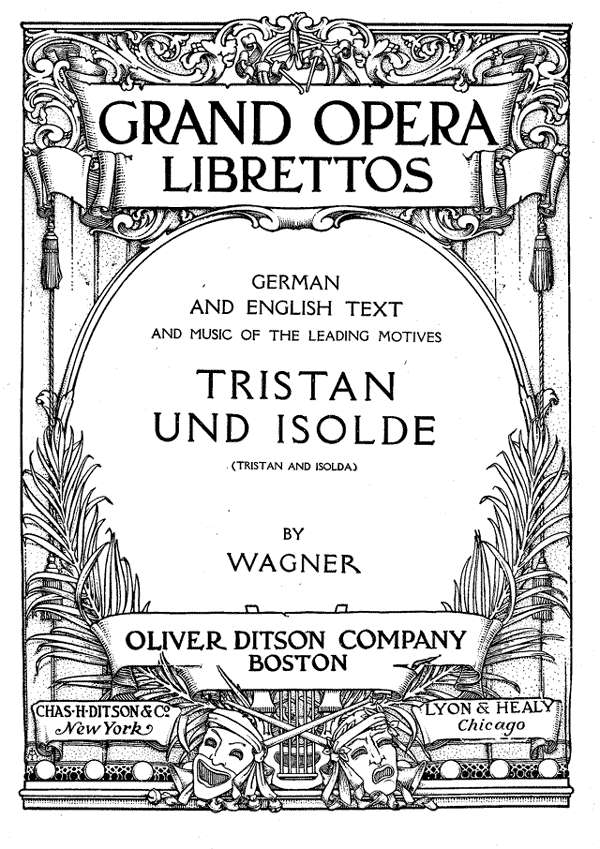
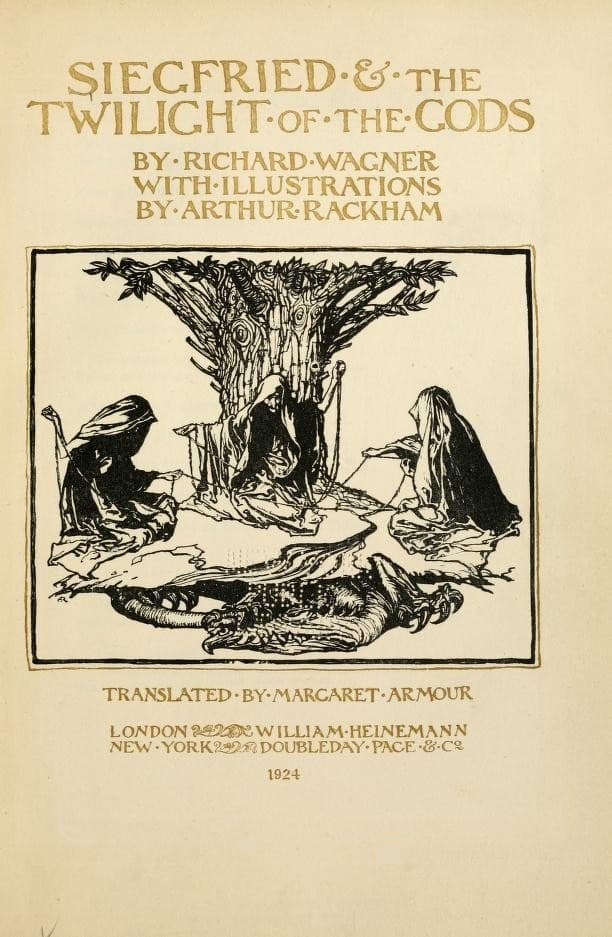




Link to this page
Add a free, dofollow link to Lex on your blog, forum, syllabus, or reading list.

<a href="https://lex-books.com/author/richard-wagner"><img src="https://lex-books.com/badges/read-on-lex.svg" alt="Richard Wagner on Lex" width="160" height="40"></a>[](https://lex-books.com/author/richard-wagner)[url=https://lex-books.com/author/richard-wagner][img]https://lex-books.com/badges/read-on-lex.svg[/img][/url]Richard Wagner on Lex: https://lex-books.com/author/richard-wagner