My Life — Volume 1

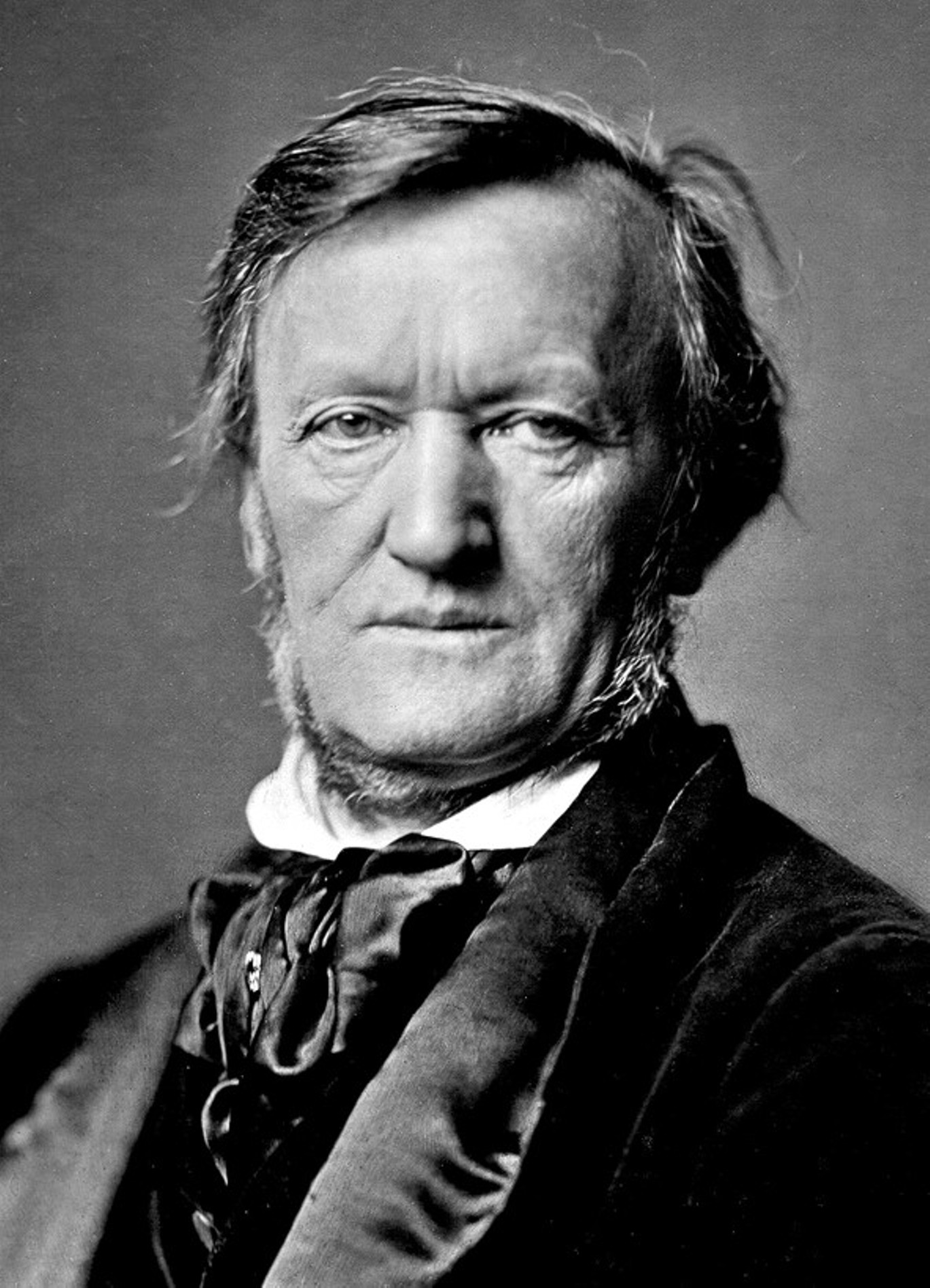
The autobiography begins with death. Within days of Richard Wagner's birth in Leipzig, his father is gone, leaving his family in precarious circumstances. What follows is a remarkably vivid account of how an orphaned boy navigated poverty, education, and the cultural ferment of early 19th-century Germany to become one of music's most revolutionary figures. Wagner's stepfather, actor and playwright Ludwig Geyer, becomes a crucial presence, introducing the boy to the theatre and sparking the lifelong obsession with drama and myth that would define his operas. We see young Wagner grappling with conventional education, finding it constraining while his imagination burns toward something larger. The text pulses with early encounters that would shape his entire artistic vision: performances that awed him, compositions attempted and discarded, friendships that fanned his ambitions. This is not merely a musician's memoir. It is a portrait of artistic temperament in its most combustible phase, a young man convinced he is destined for something extraordinary and willing to endure whatever poverty and rejection that conviction requires.
Editions
X-Ray
The autobiographer, a German composer, conductor, and writer, detailing his early life, artistic development, and struggles.
Wagner's first wife, an actress who provides him with emotional and practical support amidst his financial and artistic struggles.
Wagner's stepfather, an actor and painter who married his widowed mother and provided for the family, significantly influencing young Richard's early exposure to theatre and art.
Wagner's mother, a practical and resilient woman who managed the family's finances and was anxious about Richard's artistic career.
About My Life — Volume 1
Chapter Summaries
- 1
- Richard Wagner recounts his birth in Leipzig in 1813, the early death of his father, and his upbringing by his stepfather, Ludwig Geyer, an actor and painter who moved the family to Dresden. He describes his early exposure to theatre, his initial artistic inclinations (painting, poetry), and his struggles with formal education, particularly his aversion to mathematics and grammar, contrasted with his passion for Greek mythology and dramatic reproduction.
- 2
- Wagner details his growing passion for music, particularly inspired by Weber's 'Freischutz' and Beethoven's symphonies, despite receiving no formal music lessons as a child. He describes his self-taught efforts on the piano, his first compositions, and his eventual formal harmony lessons with G. Muller and Theodor Weinlich, which, despite initial disgust at the 'dry' theory, ultimately provided him with a solid technical foundation.
- 3
- This section covers Wagner's student life in Leipzig, his political awakening during the July Revolution, and his first professional engagements as a conductor in Magdeburg and Königsberg. He recounts his tumultuous courtship and marriage to Minna Planer, marked by financial difficulties, jealousy, and her initial departure, leading to a period of intense personal and professional uncertainty.
Key Themes
- Artistic Development and Identity
- Wagner's autobiography meticulously traces his evolving artistic tastes, from early poetic and dramatic attempts to his profound engagement with music. He grapples with influences from Weber, Beethoven, and Mozart, eventually finding his unique voice while also navigating the practicalities of a career that demands both creative genius and commercial viability.
- Financial Struggle and Poverty
- A pervasive theme throughout this volume is Wagner's constant battle with poverty and debt. His artistic pursuits are repeatedly hampered by lack of funds, leading to desperate measures, reliance on family and friends, and a deep-seated anxiety about his material existence, particularly during his time in Paris.
- Love, Marriage, and Relationships
- Wagner's complex and often tumultuous relationships, especially with his first wife Minna Planer, are central. The narrative explores the challenges of balancing personal affection with professional ambition, the strains of infidelity and jealousy, and the search for a supportive and understanding partner amidst a life of artistic dedication.
Characters
- Richard Wagner(protagonist)
- The autobiographer, a German composer, conductor, and writer, detailing his early life, artistic development, and struggles.
- Minna Planer(supporting)
- Wagner's first wife, an actress who provides him with emotional and practical support amidst his financial and artistic struggles.
- Ludwig Geyer(supporting)
- Wagner's stepfather, an actor and painter who married his widowed mother and provided for the family, significantly influencing young Richard's early exposure to theatre and art.
- Johanna Rosine Wagner(supporting)
- Wagner's mother, a practical and resilient woman who managed the family's finances and was anxious about Richard's artistic career.
- Adolph Wagner(supporting)
- Wagner's paternal uncle, a philologist and free-thinker who provided intellectual stimulation and a literary environment for young Richard.
- Rosalie Wagner(supporting)
- Wagner's eldest sister, an actress who became the family's main financial support and a significant emotional confidante for Richard.
Link to this book
Add a free, dofollow link to Lex on your blog, forum, syllabus, or reading list.

<a href="https://lex-books.com/book/my-life-volume-1-20b95088-74c4-43f1-a23f-37f124d553f3"><img src="https://lex-books.com/badges/read-on-lex.svg" alt="Read My Life — Volume 1 by Richard Wagner free on Lex" width="160" height="40"></a>[](https://lex-books.com/book/my-life-volume-1-20b95088-74c4-43f1-a23f-37f124d553f3)[url=https://lex-books.com/book/my-life-volume-1-20b95088-74c4-43f1-a23f-37f124d553f3][img]https://lex-books.com/badges/read-on-lex.svg[/img][/url]Read My Life — Volume 1 by Richard Wagner free on Lex: https://lex-books.com/book/my-life-volume-1-20b95088-74c4-43f1-a23f-37f124d553f3Cite this book
Reading this edition for a paper or guide? Copy a citation.
Wagner, Richard. My Life — Volume 1. Lex, lex-books.com/book/my-life-volume-1-20b95088-74c4-43f1-a23f-37f124d553f3.Wagner, R. (n.d.). My Life — Volume 1. Lex. https://lex-books.com/book/my-life-volume-1-20b95088-74c4-43f1-a23f-37f124d553f3Wagner, Richard. My Life — Volume 1. Lex. https://lex-books.com/book/my-life-volume-1-20b95088-74c4-43f1-a23f-37f124d553f3.