
Rhodius Apollonius
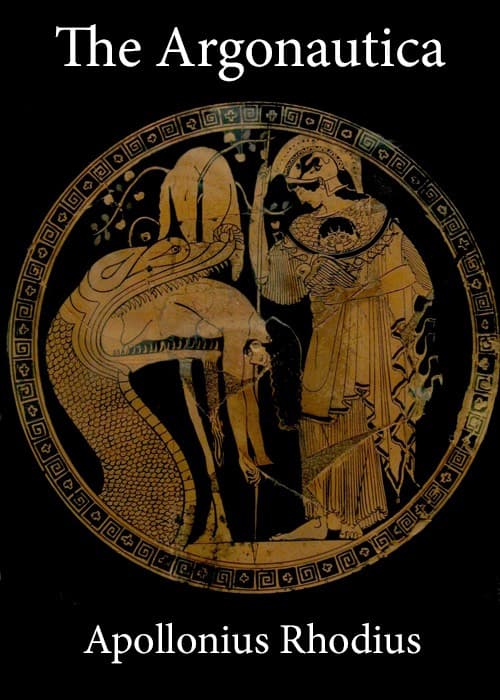
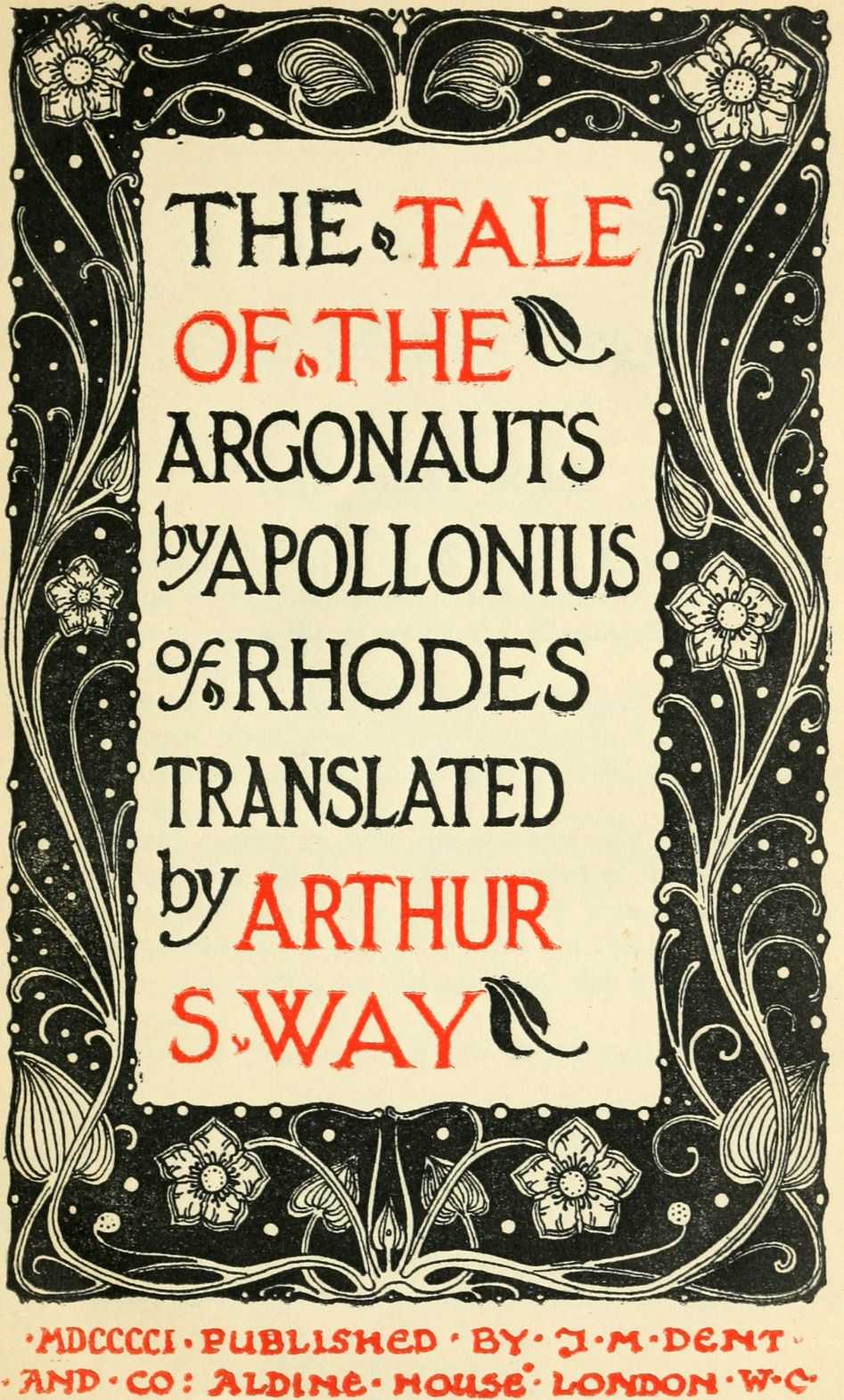
Rhodius Apollonius was an ancient Greek poet best known for his epic poem, 'The Argonautica,' which recounts the mythological journey of Jason and the Argonauts as they seek the Golden Fleece. This work, composed in the 3rd century BCE, is notable for its sophisticated narrative style and its blending of heroic adventure with personal emotion, setting it apart from earlier epics such as Homer's 'Iliad' and 'Odyssey.' Apollonius's portrayal of the characters, especially the complex figure of Medea, adds depth to the traditional heroic narrative, exploring themes of love, betrayal, and the human condition. In addition to 'The Argonautica,' Apollonius's contributions to literature include 'The Tale of the Argonauts,' which further explores the adventures of the Argonauts. His works have had a lasting impact on later literature, influencing both Roman poets and the development of the epic genre in the Hellenistic period. Apollonius's innovative approach to storytelling and characterization established him as a pivotal figure in the evolution of Greek poetry, leaving a legacy that would resonate through the ages.
Famous Quotes
View all 3 quotes“Nothing shall part us in our love till Thanatos (Death) at his appointed hour removed us from the light of day.””
“With these words of prayer he threw the barley-grains. The two heroes responsible for the oxen, might Ankaios and Herakles, girded themselves in preparation. The latter crashed his club down on the middle of the forehead of one ox; in one movement its heavy body fell to the ground. Ankaios cut the other's broad neck with his bronze axe, slicing through the tough tendons; it fell sprawling over its two horns. Their comrades quickly slaughtered and flayed the oxen, chopping and cutting them up and removing the thigh pieces for sacrifice These they covered all over with a thick layer of fat and burnt them on spits, while the son of Aison poured libations of unmixed wine. Idmon rejoiced as he gazed at the flame, which burnt brightly all around the sacrifices, and the favourable omen of the murky smoke, darting up in dark spirals.””
“si es que tú también eres de la raza de las criaturas humanas, a las que el velocísimo pensamiento en fugaces locuras las desliza hacia la loca perdición. Así cayó apasionado mi corazón, y no por necedad””
Books from the author





Link to this page
Add a free, dofollow link to Lex on your blog, forum, syllabus, or reading list.

<a href="https://lex-books.com/author/rhodius-apollonius"><img src="https://lex-books.com/badges/read-on-lex.svg" alt="Rhodius Apollonius on Lex" width="160" height="40"></a>[](https://lex-books.com/author/rhodius-apollonius)[url=https://lex-books.com/author/rhodius-apollonius][img]https://lex-books.com/badges/read-on-lex.svg[/img][/url]Rhodius Apollonius on Lex: https://lex-books.com/author/rhodius-apollonius