The Argonautica
1889
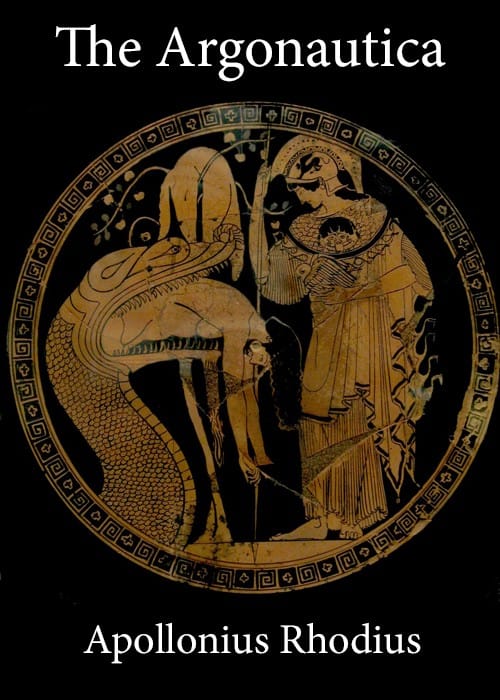
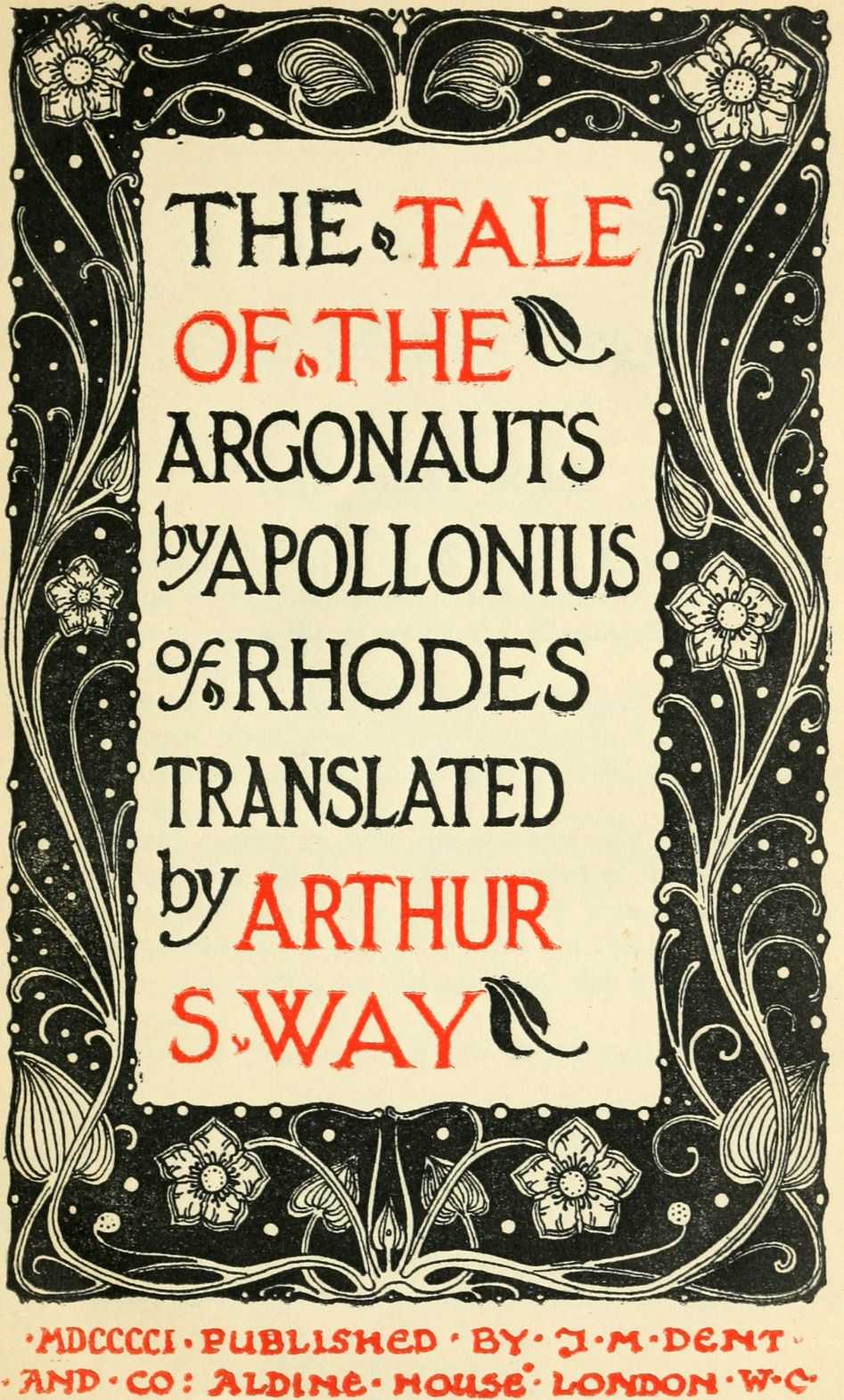
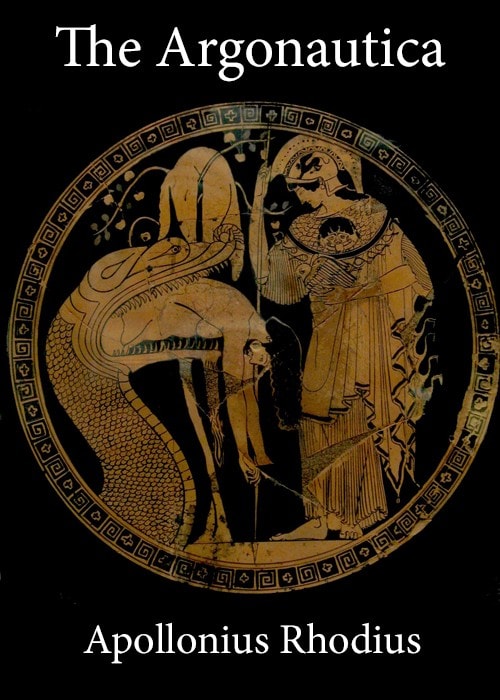
The Argonautica is the survived Greek epic that bridges the gap between Homer and the Roman poets, composed in the 3rd century BCE at the Ptolemaic court in Alexandria. Apollonius of Rhodes reimagines the myth of Jason and the golden fleece not as a straightforward tale of heroic triumph, but as a psychologically complex exploration of love, deceit, and the boundaries of human knowledge. When Jason arrives in Colchis to claim the golden fleece, he encounters Medea, a sorceress whose dangerous passion for him becomes the true heart of the poem. This is an ancient epic that dares to question heroism itself: Jason is ambitious but uncertain, heroic yet sometimes hollow, while Medea emerges as a figure of terrifying emotional power and intelligence. The verse is rich with divine machinations, cosmic scale, and intimate human drama, offering a meditation on what it means to pursue an impossible goal when the gods themselves seem indifferent or malicious. It influenced Virgil and shaped the epic tradition for centuries to come.
Editions

X-Ray
“A working woman, rising before dawn to spin and needing light in her cottage room, piles brushwood on a smoldering log, and the whole heap kindled by the little brand goes up in a mighty blaze. Such was the fire of Love, stealthy but all-consuming, that swept through Medea's heart. In the turmoil of her soul, her soft cheeks turned from rose to white and white to rose.””
— Rhodius Apollonius
“It is a fact that we tribes of suffering men never plant our feet firmly upon the path of joy, but there is ever some bitter pain to keep company with our delight.””
— Rhodius Apollonius
“Listen then. Not everything is it lawful for you to know clearly; but whatever is heaven's will, I will not hide. I was infatuated aforetime, when in my folly I declared the will of Zeus in order and to the end. For he himself wishes to deliver to men the utterances of the prophetic art incomplete, in order that they may still have some need to know the will of heaven.””
— Rhodius Apollonius
“And so a barrow to this hero was raised in that land, and there stands a token for men of later days to see, the trunk of a wild olive tree, such as ships are built of; and it flourishes with its green leaves a little below the Acherusian headland. And””
— Rhodius Apollonius
“Thus, though I learnt my fate from evil omens even before now, I have left my fatherland to embark on the ship, that so after my embarking fair fame may be left me in my house.””
— Rhodius Apollonius
“With these words of prayer he threw the barley-grains. The two heroes responsible for the oxen, might Ankaios and Herakles, girded themselves in preparation. The latter crashed his club down on the middle of the forehead of one ox; in one movement its heavy body fell to the ground. Ankaios cut the other's broad neck with his bronze axe, slicing through the tough tendons; it fell sprawling over its two horns. Their comrades quickly slaughtered and flayed the oxen, chopping and cutting them up and removing the thigh pieces for sacrifice These they covered all over with a thick layer of fat and burnt them on spits, while the son of Aison poured libations of unmixed wine. Idmon rejoiced as he gazed at the flame, which burnt brightly all around the sacrifices, and the favourable omen of the murky smoke, darting up in dark spirals.””
— Rhodius Apollonius
“To mortal men the gods allot woes which cannot be foreseen.””
— Rhodius Apollonius
“The men could only offer the god the paltry sorts of things””
— Rhodius Apollonius
“si es que tú también eres de la raza de las criaturas humanas, a las que el velocísimo pensamiento en fugaces locuras las desliza hacia la loca perdición. Así cayó apasionado mi corazón, y no por necedad””
— Rhodius Apollonius
Link to this book
Add a free, dofollow link to Lex on your blog, forum, syllabus, or reading list.

<a href="https://lex-books.com/book/the-argonautica-e7f725ed-8a8d-411d-b717-db960457cfba"><img src="https://lex-books.com/badges/read-on-lex.svg" alt="Read The Argonautica by Rhodius Apollonius free on Lex" width="160" height="40"></a>[](https://lex-books.com/book/the-argonautica-e7f725ed-8a8d-411d-b717-db960457cfba)[url=https://lex-books.com/book/the-argonautica-e7f725ed-8a8d-411d-b717-db960457cfba][img]https://lex-books.com/badges/read-on-lex.svg[/img][/url]Read The Argonautica by Rhodius Apollonius free on Lex: https://lex-books.com/book/the-argonautica-e7f725ed-8a8d-411d-b717-db960457cfbaCite this book
Reading this edition for a paper or guide? Copy a citation.
Apollonius, Rhodius. The Argonautica. Lex, lex-books.com/book/the-argonautica-e7f725ed-8a8d-411d-b717-db960457cfba.Apollonius, R. (1889). The Argonautica. Lex. https://lex-books.com/book/the-argonautica-e7f725ed-8a8d-411d-b717-db960457cfbaApollonius, Rhodius. The Argonautica. Lex. https://lex-books.com/book/the-argonautica-e7f725ed-8a8d-411d-b717-db960457cfba.