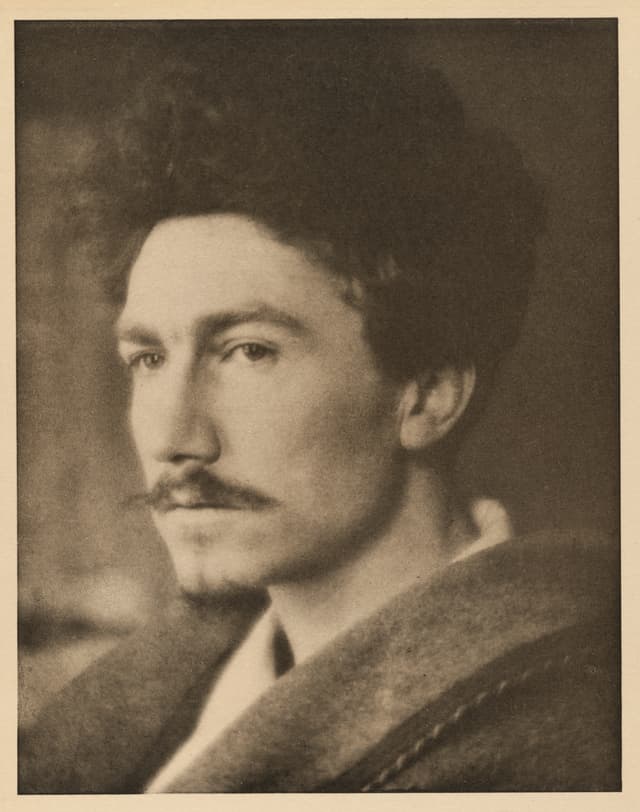
Ezra Pound
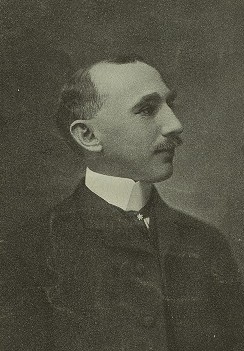
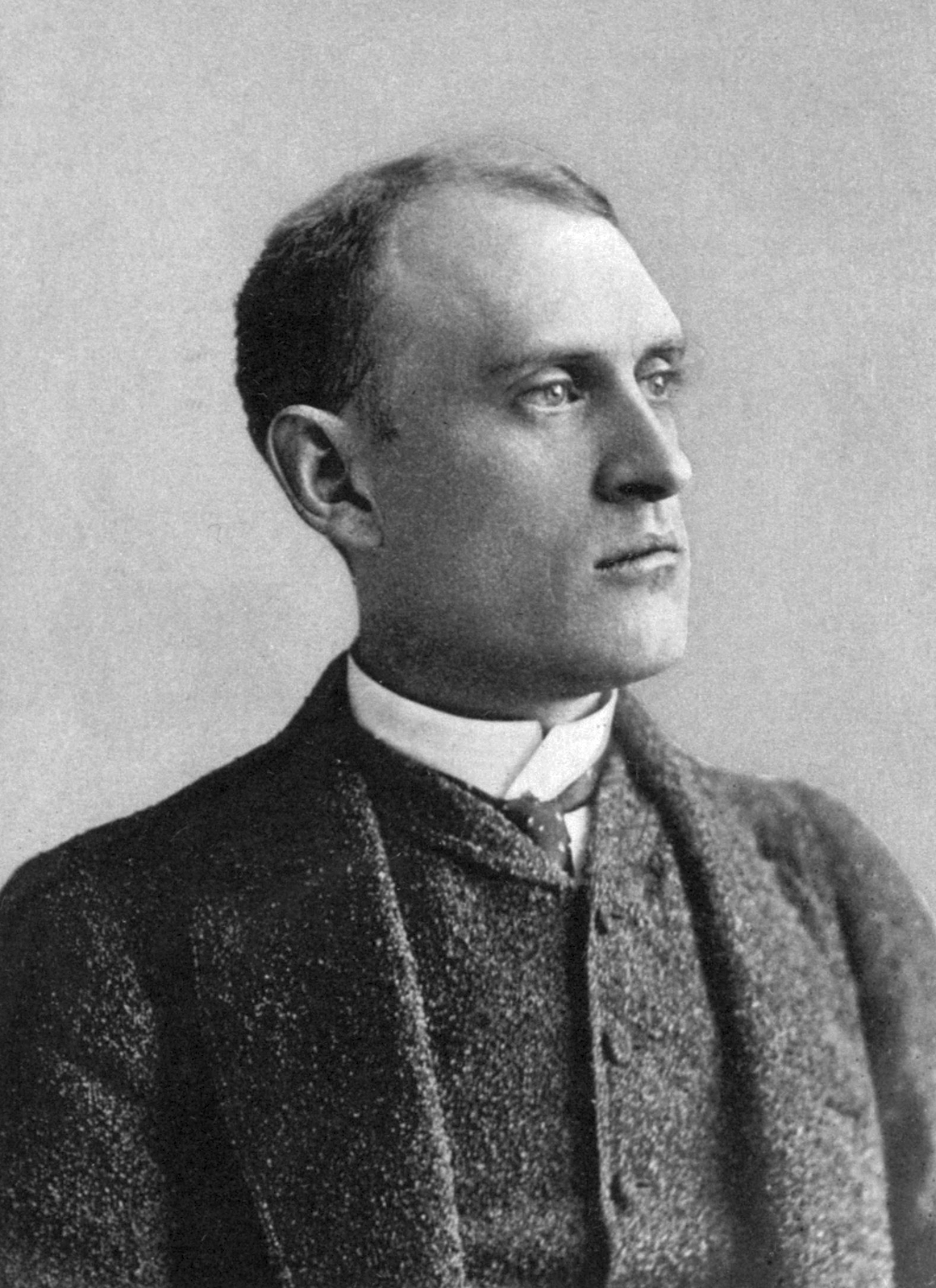
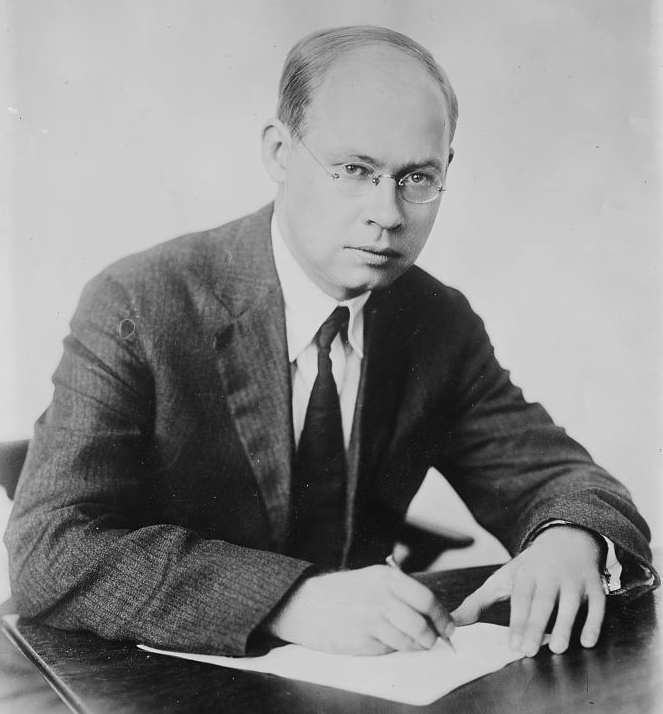
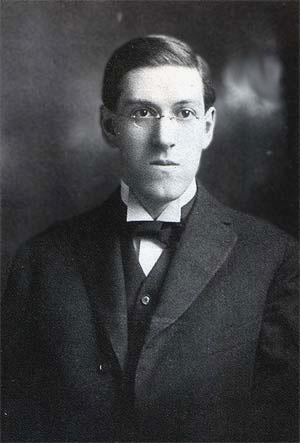
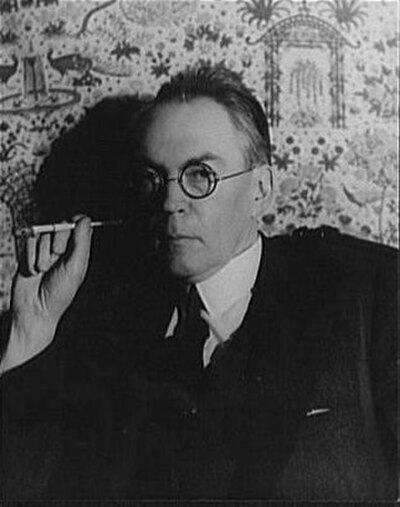
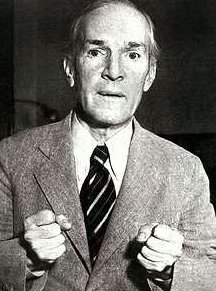
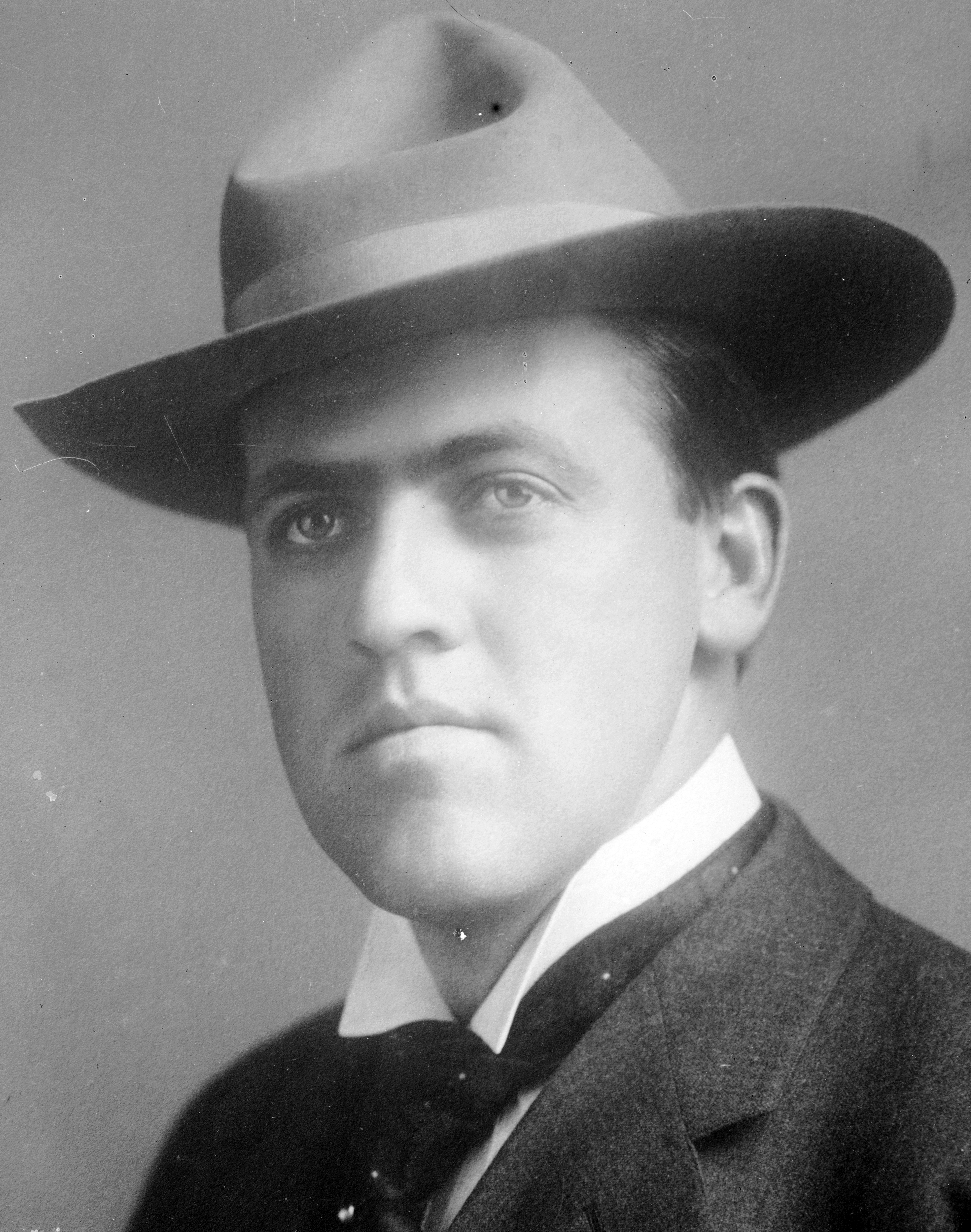
Ezra Pound was an influential American poet and critic, recognized as a pivotal figure in the early modernist poetry movement. Born in 1885, he played a crucial role in the development of Imagism, a literary movement that emphasized clarity and precision in language. His notable works include 'Ripostes' (1912), 'Hugh Selwyn Mauberley' (1920), and the ambitious 'The Cantos' (c. 1915–1962). As a foreign editor for several American literary magazines in London, Pound was instrumental in promoting the works of contemporaries such as H.D., T.S. Eliot, and Ernest Hemingway, and he was responsible for the early publication of significant modernist texts, including Joyce's 'A Portrait of the Artist as a Young Man' and Eliot's 'The Love Song of J. Alfred Prufrock'. Hemingway famously remarked that for poets of his generation, not to be influenced by Pound was akin to experiencing a blizzard without feeling its cold. However, Pound's legacy is marred by his controversial political affiliations. Disillusioned by the devastation of World War I, he became an outspoken critic of finance capitalism, which he termed 'usury'. His move to Italy in 1924 marked a shift in his ideological stance as he began to embrace fascism, aligning himself with figures like Benito Mussolini and Oswald Mosley. During World War II, he engaged in propaganda broadcasts that criticized the U.S. government and supported fascist ideologies, leading to his arrest by the U.S. Army in 1945. Declared mentally unfit for trial, he spent over a decade in St. Elizabeths Hospital, leaving a complex and contentious legacy that continues to provoke debate among scholars and readers alike.
Famous Quotes
View all 3 quotes“Man reading should be man intensely alive. The book should be a ball of light in one's hand.”
“Literature is news that stays news.”
“There is no reason why the same man should like the same books at eighteen and at forty-eight”
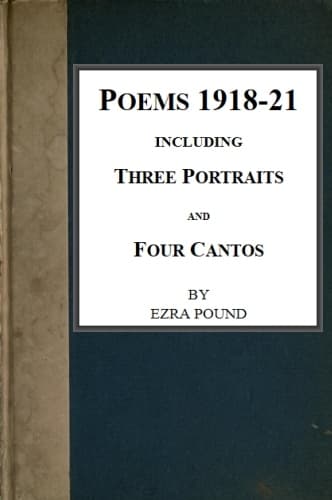
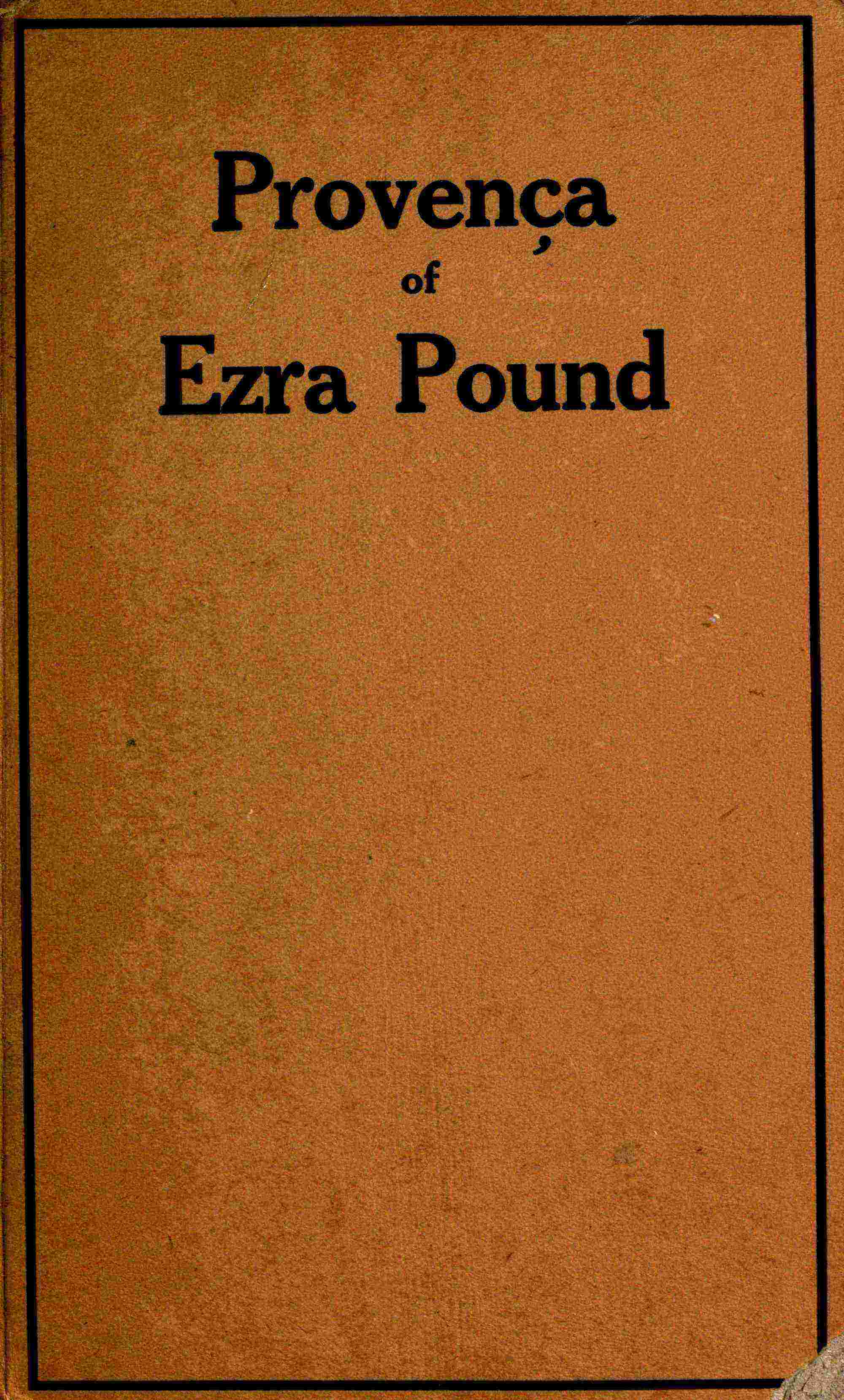
Books from the author






Link to this page
Add a free, dofollow link to Lex on your blog, forum, syllabus, or reading list.

<a href="https://lex-books.com/author/ezra-pound"><img src="https://lex-books.com/badges/read-on-lex.svg" alt="Ezra Pound on Lex" width="160" height="40"></a>[](https://lex-books.com/author/ezra-pound)[url=https://lex-books.com/author/ezra-pound][img]https://lex-books.com/badges/read-on-lex.svg[/img][/url]Ezra Pound on Lex: https://lex-books.com/author/ezra-pound