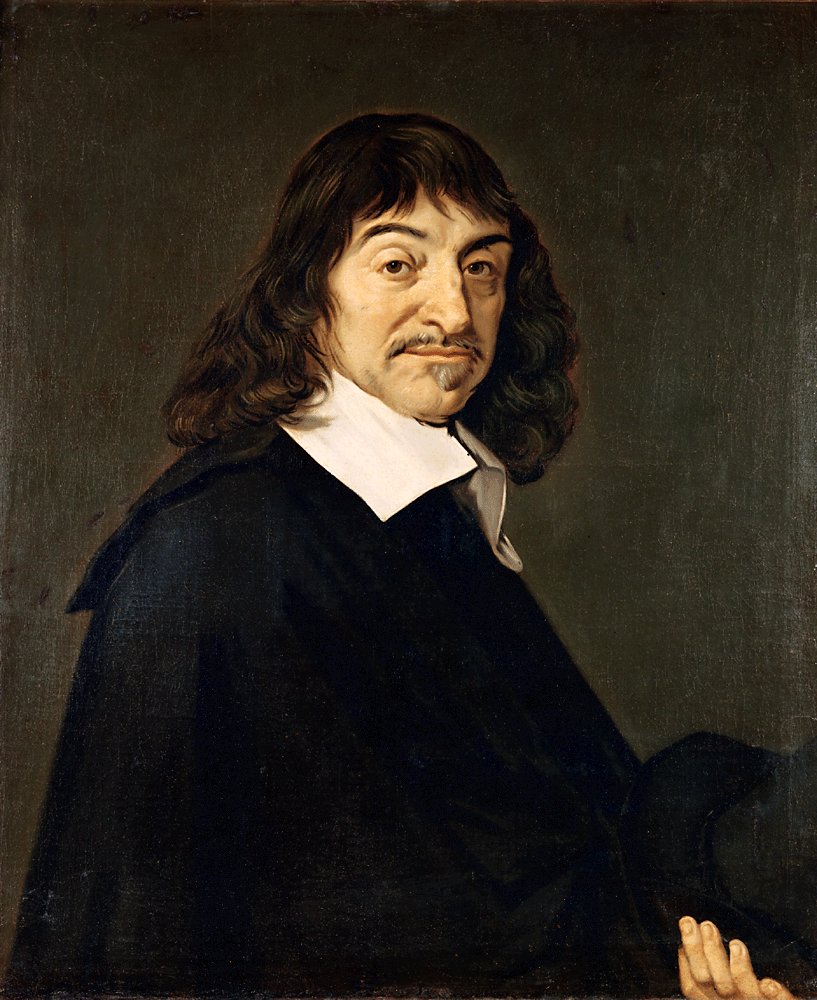
Meditationes De Prima Philosophia
1641
In 1641, a French mathematician and philosopher sat down to doubt everything he had ever believed. What began as methodical skepticism became the founding document of modern Western philosophy. Descartes questions the reliability of his senses, the certainty of mathematics, even the existence of the physical world, systematically dismantling every belief until he reaches rock bottom. What he finds there the famous "Cogito, ergo sum" is the one truth that survives radical doubt: the act of thinking proves a thinking self exists. From this slender foothold, he rebuilds knowledge, arguing for God's existence, the reliability of clear and distinct ideas, and the fundamental distinction between mind and body. The Meditations remains startlingly alive because it poses the same questions we still wrestle with: What can we really know? How do we distinguish truth from illusion? What is the nature of reality? It is essential reading for anyone who has ever lain awake at night wondering whether the world is really there.
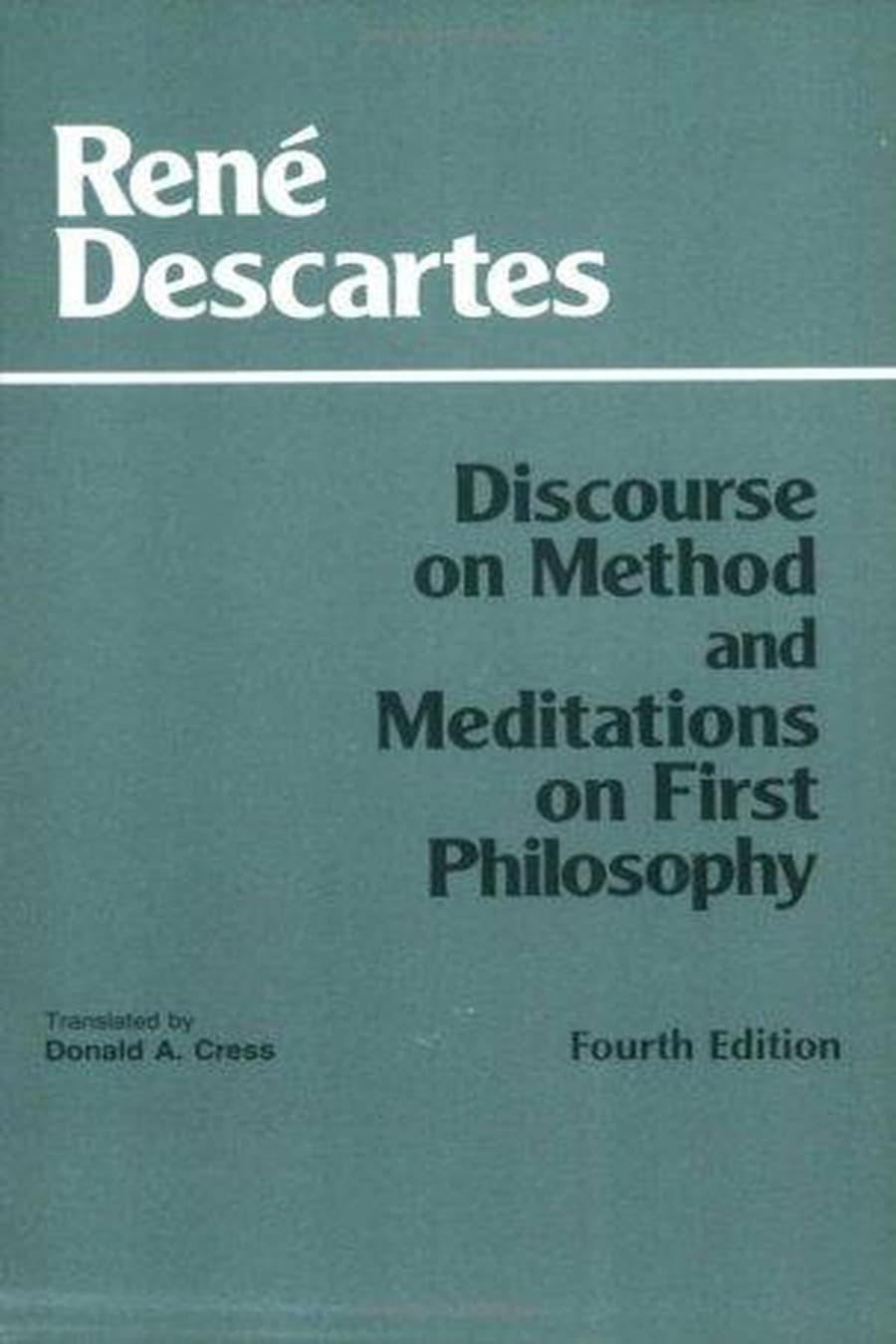
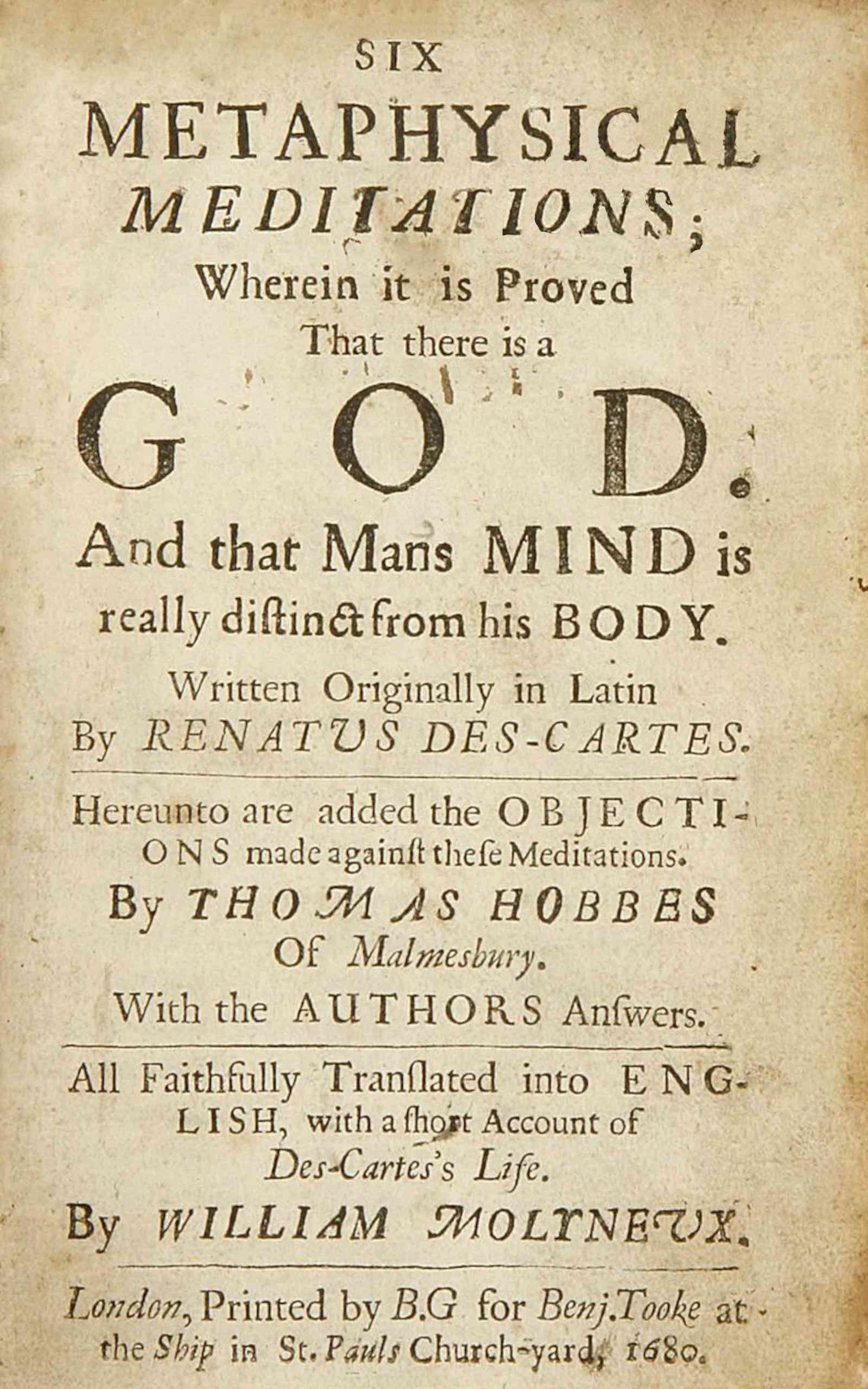
Editions
X-Ray
“It is only prudent never to place complete confidence in that by which we have even once been deceived.””
— René Descartes
“Dubium sapientiae initium. (.)””
— René Descartes
“Some years ago I was struck by the large number of falsehoods that I had accepted as true in my childhood, and by the highly doubtful nature of the whole edifice that I had subsequently based on them. I realized that it was necessary, once in the course of my life, to demolish everything completely and start again right from the foundations if I wanted to establish anything at all in the sciences that was stable and likely to last.””
— René Descartes
“But I cannot forget that, at other times I have been deceived in sleep by similar illusions; and, attentively considering those cases, I perceive so clearly that there exist no certain marks by which the state of waking can ever be distinguished from sleep, that I feel greatly astonished; and in amazement I almost persuade myself that I am now dreaming.””
— René Descartes
“But what then am I? A thing that thinks. What is that? A thing that doubts, understand, affirms, denies, wills, refuses, and that also imagines and senses.””
— René Descartes
“Whatever I have up till now accepted as most true and assured I have gotten either from the senses or through the senses. But from time to time I have found that the senses deceive, and it is prudent never to trust completely those who have deceived us even once.””
— René Descartes
“أرى أن جميع من أنعم الله عليم بنعمة العقل يجب أن يستعملوه قبل كل شيء في محاولة معرفة الله ومعرفة أنفسهم، وهذا هو الأمر الذي اتفقت عليه جمهرة الناظرين، والذي وفقني الله إلى أن أبلغ فيه ما يرضيني تمام الرضا.””
— René Descartes
“When I turn my mind's eye upon myself, I understand that I am a thing which is incomplete and dependent on another and which aspires without limit to ever greater and better things...””
— René Descartes
“The destruction of the foundations necessarily brings down the whole edifice.””
— René Descartes
Link to this book
Add a free, dofollow link to Lex on your blog, forum, syllabus, or reading list.

<a href="https://lex-books.com/book/meditationes-de-prima-philosophia-1ccda4a5-5856-47e6-b0a6-df50d373489f"><img src="https://lex-books.com/badges/read-on-lex.svg" alt="Read Meditationes De Prima Philosophia by René Descartes free on Lex" width="160" height="40"></a>[](https://lex-books.com/book/meditationes-de-prima-philosophia-1ccda4a5-5856-47e6-b0a6-df50d373489f)[url=https://lex-books.com/book/meditationes-de-prima-philosophia-1ccda4a5-5856-47e6-b0a6-df50d373489f][img]https://lex-books.com/badges/read-on-lex.svg[/img][/url]Read Meditationes De Prima Philosophia by René Descartes free on Lex: https://lex-books.com/book/meditationes-de-prima-philosophia-1ccda4a5-5856-47e6-b0a6-df50d373489fCite this book
Reading this edition for a paper or guide? Copy a citation.
Descartes, René. Meditationes De Prima Philosophia. Lex, lex-books.com/book/meditationes-de-prima-philosophia-1ccda4a5-5856-47e6-b0a6-df50d373489f.Descartes, R. (1641). Meditationes De Prima Philosophia. Lex. https://lex-books.com/book/meditationes-de-prima-philosophia-1ccda4a5-5856-47e6-b0a6-df50d373489fDescartes, René. Meditationes De Prima Philosophia. Lex. https://lex-books.com/book/meditationes-de-prima-philosophia-1ccda4a5-5856-47e6-b0a6-df50d373489f.