
Alain René Le Sage
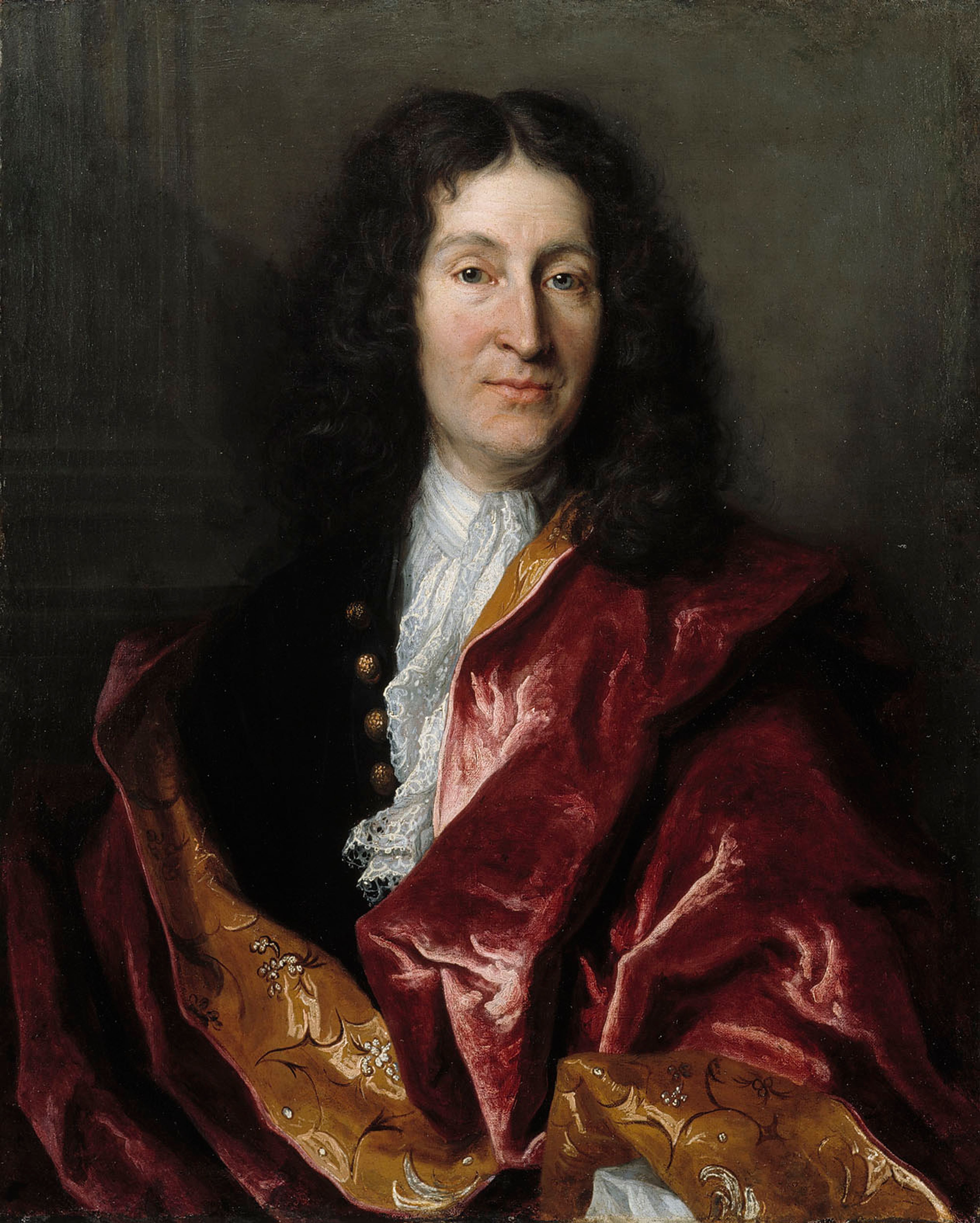
Alain René Le Sage was a French novelist and playwright, best known for his pioneering contributions to the genre of the novel in the early 18th century. Born in the city of Sarzeau, Le Sage initially pursued a career in law before turning to literature, where he found his true calling. His most notable work, 'Gil Blas,' published in a series of volumes from 1715 to 1735, is a seminal picaresque novel that follows the adventures of a young man navigating the complexities of society. This work is celebrated for its rich characterizations, satirical wit, and keen observations of human nature, establishing Le Sage as a precursor to later novelists such as Henry Fielding and Charles Dickens. Le Sage's influence extended beyond 'Gil Blas,' as he also wrote numerous plays and other novels, including 'The Adventures of Mr. Robert' and 'The Devil upon Two Sticks.' His ability to blend humor with social commentary set a new standard for narrative fiction, and his works often explored themes of deception, morality, and the human condition. Le Sage's legacy is significant in the evolution of the novel, as he helped to shape the form and style that would dominate European literature in the centuries to follow, earning him a respected place in the pantheon of early modern writers.
Famous Quotes
View all 2 quotes“At the name of Doctor Sangrado, hurrying on his cloak and hat: 'For mercy’s sake,' cried the notary, 'let us set off with all possible speed; for this doctor dispatches business so fast, that our fraternity cannot keep pace with him. That fellow spoils half my jobs.””
“There was never a creature more fortified against moral prejudices! My inducement for getting into the service of jealous husbands is to lend myself to the enjoyments of their pretty wives.””
Books from the author













Link to this page
Add a free, dofollow link to Lex on your blog, forum, syllabus, or reading list.

<a href="https://lex-books.com/author/alain-rené-le-sage"><img src="https://lex-books.com/badges/read-on-lex.svg" alt="Alain René Le Sage on Lex" width="160" height="40"></a>[](https://lex-books.com/author/alain-rené-le-sage)[url=https://lex-books.com/author/alain-rené-le-sage][img]https://lex-books.com/badges/read-on-lex.svg[/img][/url]Alain René Le Sage on Lex: https://lex-books.com/author/alain-rené-le-sage