Discourse on the Method of Rightly Conducting One's Reason and of Seeking Truth in the Sciences
1637
Discourse on the Method of Rightly Conducting One's Reason and of Seeking Truth in the Sciences
1637
Translated by John Veitch
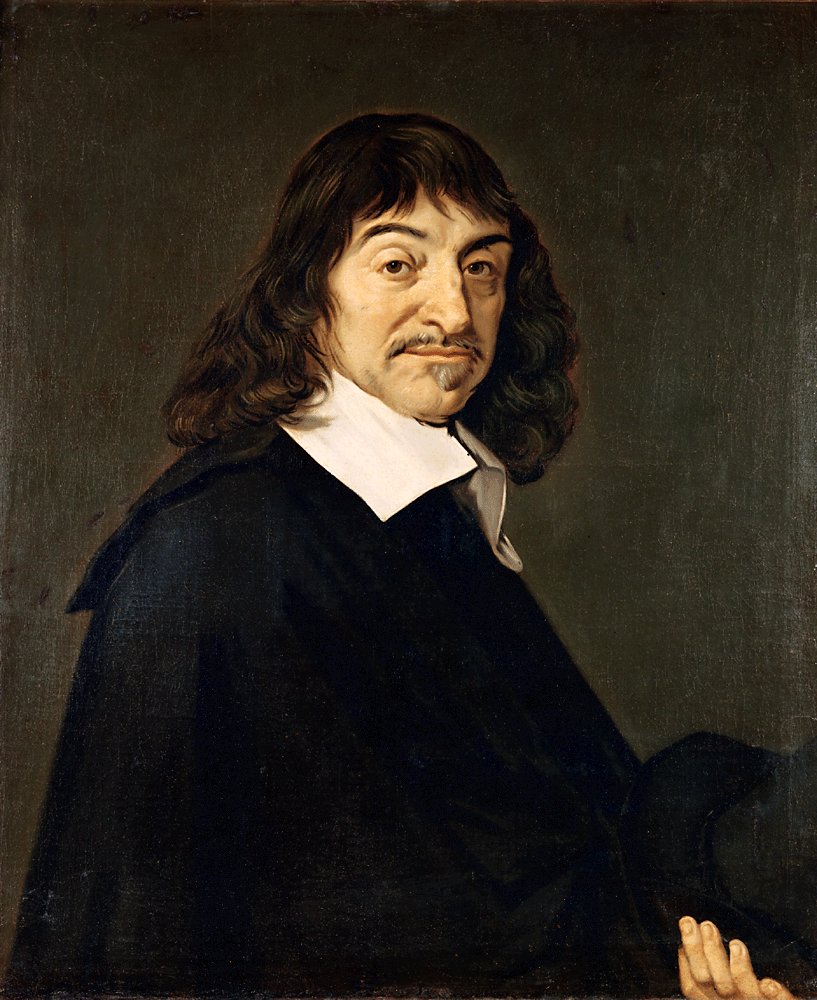
In 1637, a French mathematician and philosopher published a short work that would reshape human thought forever. Descartes had spent years doubting everything he thought he knew - every belief, every sensory experience, every inherited idea - searching for one indubitable truth on which to build certain knowledge. What he found became the most famous sentence in Western philosophy: 'I think, therefore I am.' This is the story of that search, and of the revolutionary method of systematic doubt that made it possible. Written not in academic Latin but in elegant French for the educated public, the Discourse reads less like a treatise than a personal memoir of intellectual adventure. Descartes recounts his education, his disillusionment with scholastic philosophy, his mathematical breakthroughs, and his vision for a new kind of inquiry - one that would subject every belief to rigorous testing before accepting it. The result is both a profound philosophical argument and a practical manifesto for thinking independently. Nearly four centuries later, the question at its heart remains urgent: in an age of information overload and competing certainties, what can we actually know for sure, and how should we go about finding out?
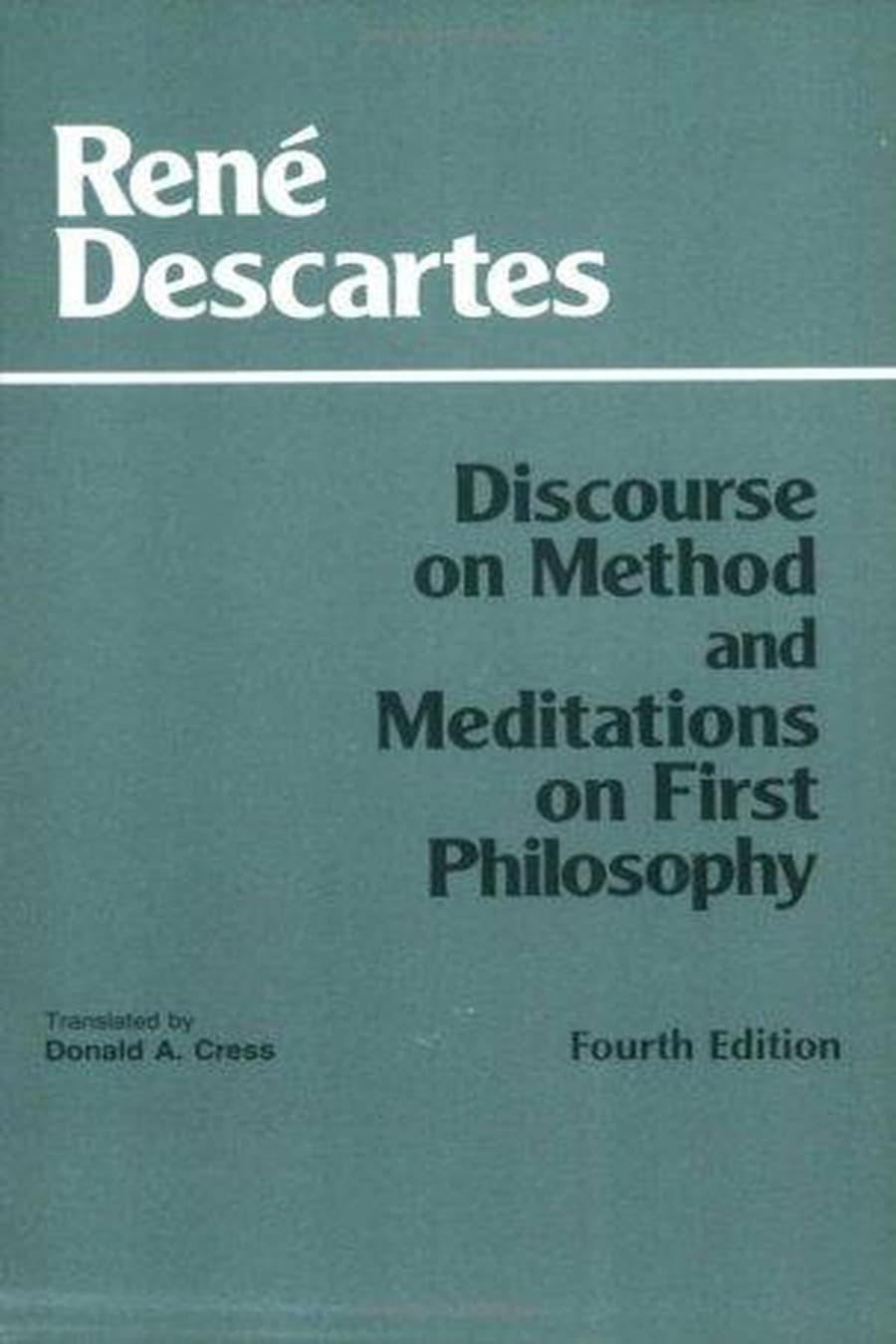
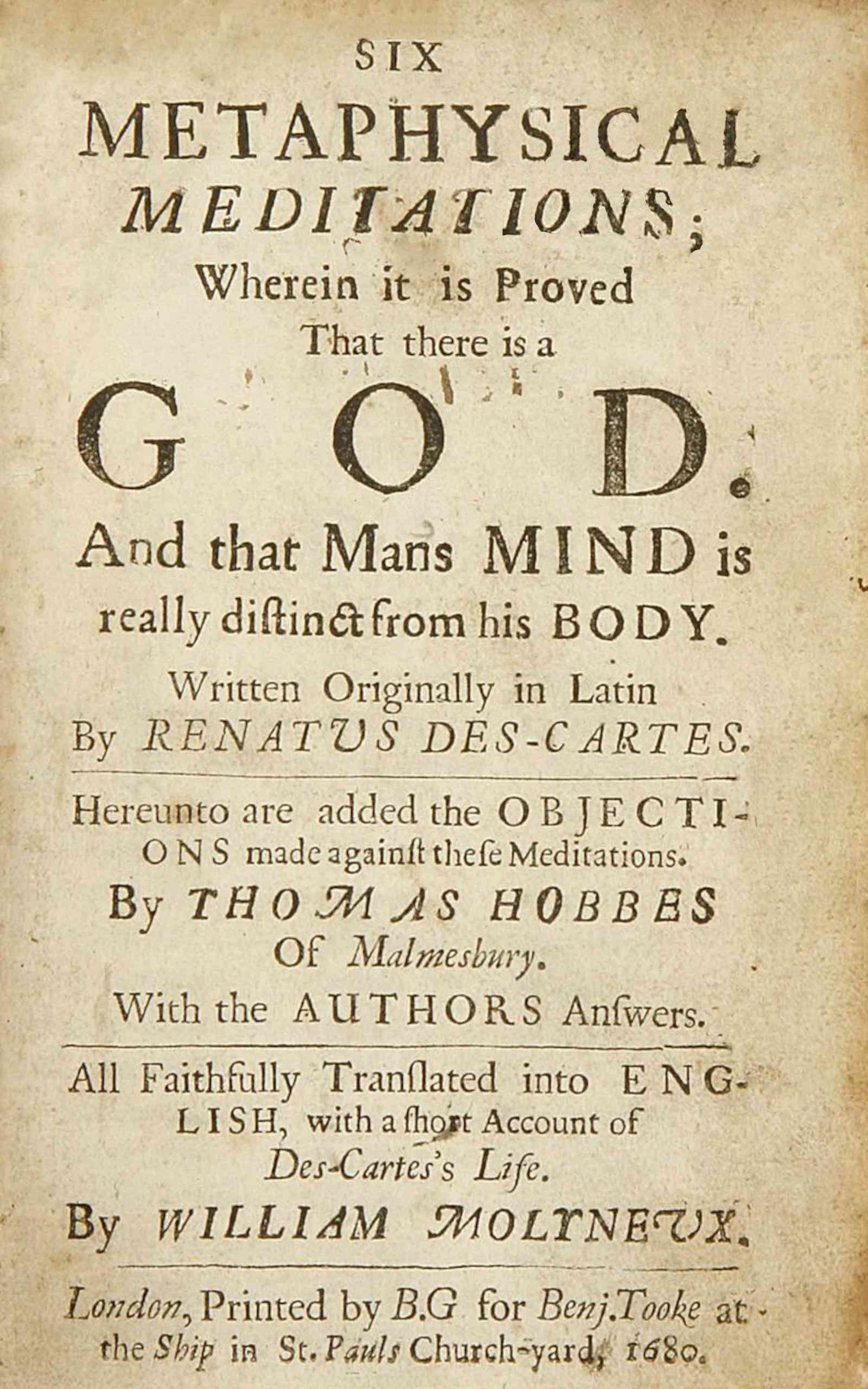
Editions
X-Ray
“And thus, the actions of life often not allowing any delay, it is a truth very certain that, when it is not in our power to determine the most true opinions we ought to follow the most probable.””
— René Descartes
“Divide each difficulty into as many parts as is feasible and necessary to resolve it.””
— René Descartes
“At last I will devote myself sincerely and without reservation to the general demolition of my opinions.””
— René Descartes
“It is not enough to have a good mind. The main thing is to use it well.””
— René Descartes
“My third maxim was to endeavor always to conquer myself rather than fortune, and change my desires rather than the order of the world, and in general, accustom myself to the persuasion that, except our own thoughts, there is nothing absolutely in our power; so that when we have done our best in things external to us, all wherein we fail of success is to be held, as regards us, absolutely impossible: and this single principle seemed to me sufficient to prevent me from desiring for the future anything which I could not obtain, and thus render me contented””
— René Descartes
“Nothing is more fairly distributed than common sense: no one thinks he needs more of it than he already has.””
— René Descartes
“For to be possessed of a vigorous mind is not enough; the prime requisite is rightly to apply it. The greatest minds, as they are capable of the highest excellence, are open likewise to the greatest aberrations; and those who travel very slowly may yet make far greater progress, provided they keep always to the straight road, than those who, while they run, forsake it.””
— René Descartes
“I knew that the languages which one learns there are necessary to understand the works of the ancients; and that the delicacy of fiction enlivens the mind; that famous deeds of history ennoble it and, if read with understanding, aid in maturing one's judgment; that the reading of all the great books is like conversing with the best people of earlier times; it is even studied conversation in which the authors show us only the best of their thoughts; that eloquence has incomparable powers and beauties; that poetry has enchanting delicacy and sweetness; that mathematics has very subtle processes which can serve as much to satisfy the inquiring mind as to aid all the arts and diminish man's labor; that treatises on morals contain very useful teachings and exhortations to virtue; that theology teaches us how to go to heaven; that philosophy teaches us to talk with appearance of truth about things, and to make ourselves admired by the less learned; that law, medicine, and the other sciences bring honors and wealth to those who pursue them; and finally, that it is desirable to have examined all of them, even to the most superstitious and false in order to recognize their real worth and avoid being deceived thereby””
— René Descartes
“Each problem that I solved became a rule, which served afterwards to solve other problems.””
— René Descartes
Link to this book
Add a free, dofollow link to Lex on your blog, forum, syllabus, or reading list.

<a href="https://lex-books.com/book/discourse-on-the-method-of-rightly-conducting-one-s-reason-and-of-seeking-truth--a34f0038-39f8-4017-8627-616bd8ef4cca"><img src="https://lex-books.com/badges/read-on-lex.svg" alt="Read Discourse on the Method of Rightly Conducting One's Reason and of Seeking Truth in the Sciences by René Descartes free on Lex" width="160" height="40"></a>[](https://lex-books.com/book/discourse-on-the-method-of-rightly-conducting-one-s-reason-and-of-seeking-truth--a34f0038-39f8-4017-8627-616bd8ef4cca)[url=https://lex-books.com/book/discourse-on-the-method-of-rightly-conducting-one-s-reason-and-of-seeking-truth--a34f0038-39f8-4017-8627-616bd8ef4cca][img]https://lex-books.com/badges/read-on-lex.svg[/img][/url]Read Discourse on the Method of Rightly Conducting One's Reason and of Seeking Truth in the Sciences by René Descartes free on Lex: https://lex-books.com/book/discourse-on-the-method-of-rightly-conducting-one-s-reason-and-of-seeking-truth--a34f0038-39f8-4017-8627-616bd8ef4ccaCite this book
Reading this edition for a paper or guide? Copy a citation.
Descartes, René. Discourse on the Method of Rightly Conducting One's Reason and of Seeking Truth in the Sciences. Lex, lex-books.com/book/discourse-on-the-method-of-rightly-conducting-one-s-reason-and-of-seeking-truth--a34f0038-39f8-4017-8627-616bd8ef4cca.Descartes, R. (1637). Discourse on the Method of Rightly Conducting One's Reason and of Seeking Truth in the Sciences. Lex. https://lex-books.com/book/discourse-on-the-method-of-rightly-conducting-one-s-reason-and-of-seeking-truth--a34f0038-39f8-4017-8627-616bd8ef4ccaDescartes, René. Discourse on the Method of Rightly Conducting One's Reason and of Seeking Truth in the Sciences. Lex. https://lex-books.com/book/discourse-on-the-method-of-rightly-conducting-one-s-reason-and-of-seeking-truth--a34f0038-39f8-4017-8627-616bd8ef4cca.