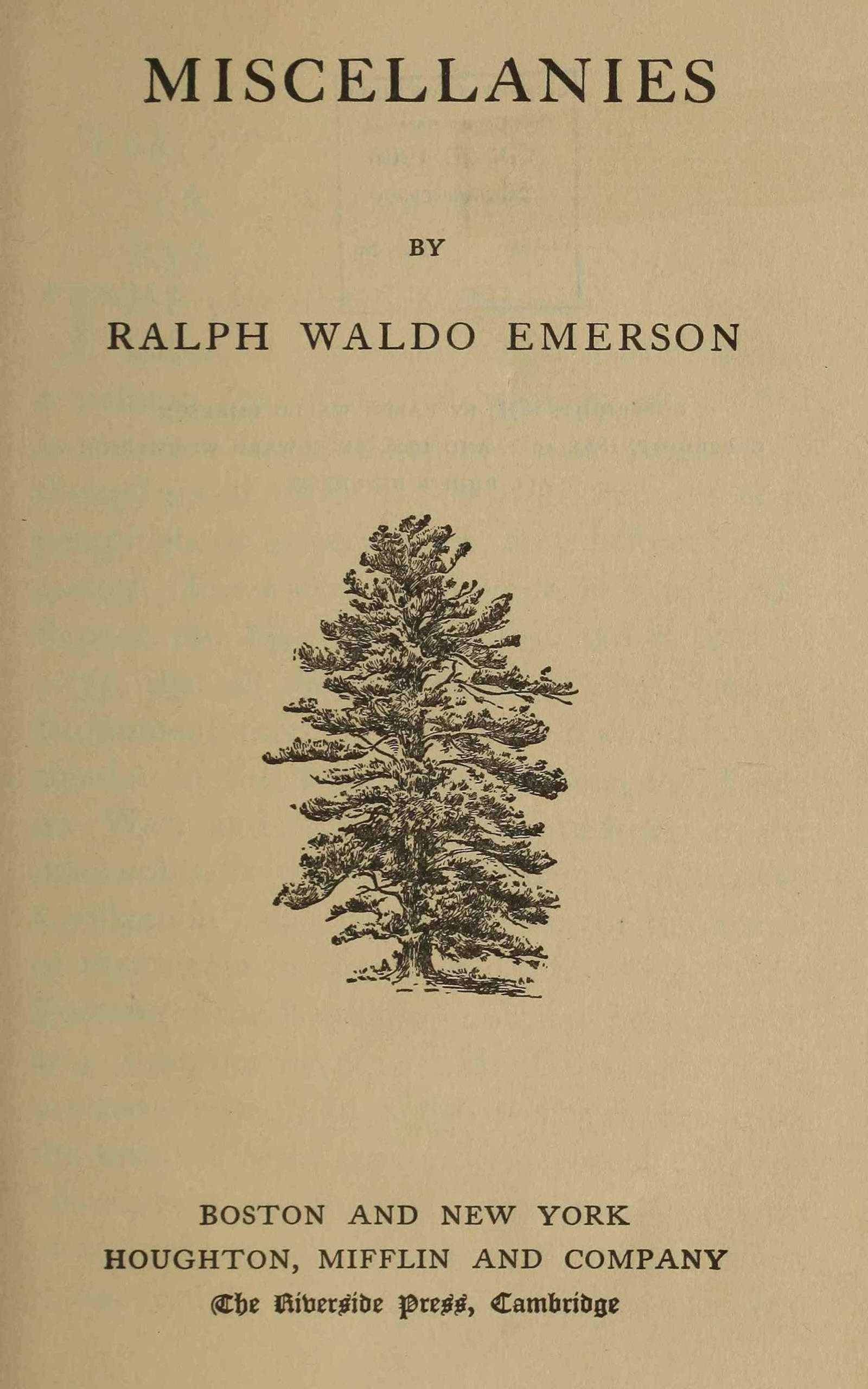
Miscellanies: Embracing Nature, Addresses, and Lectures
1856
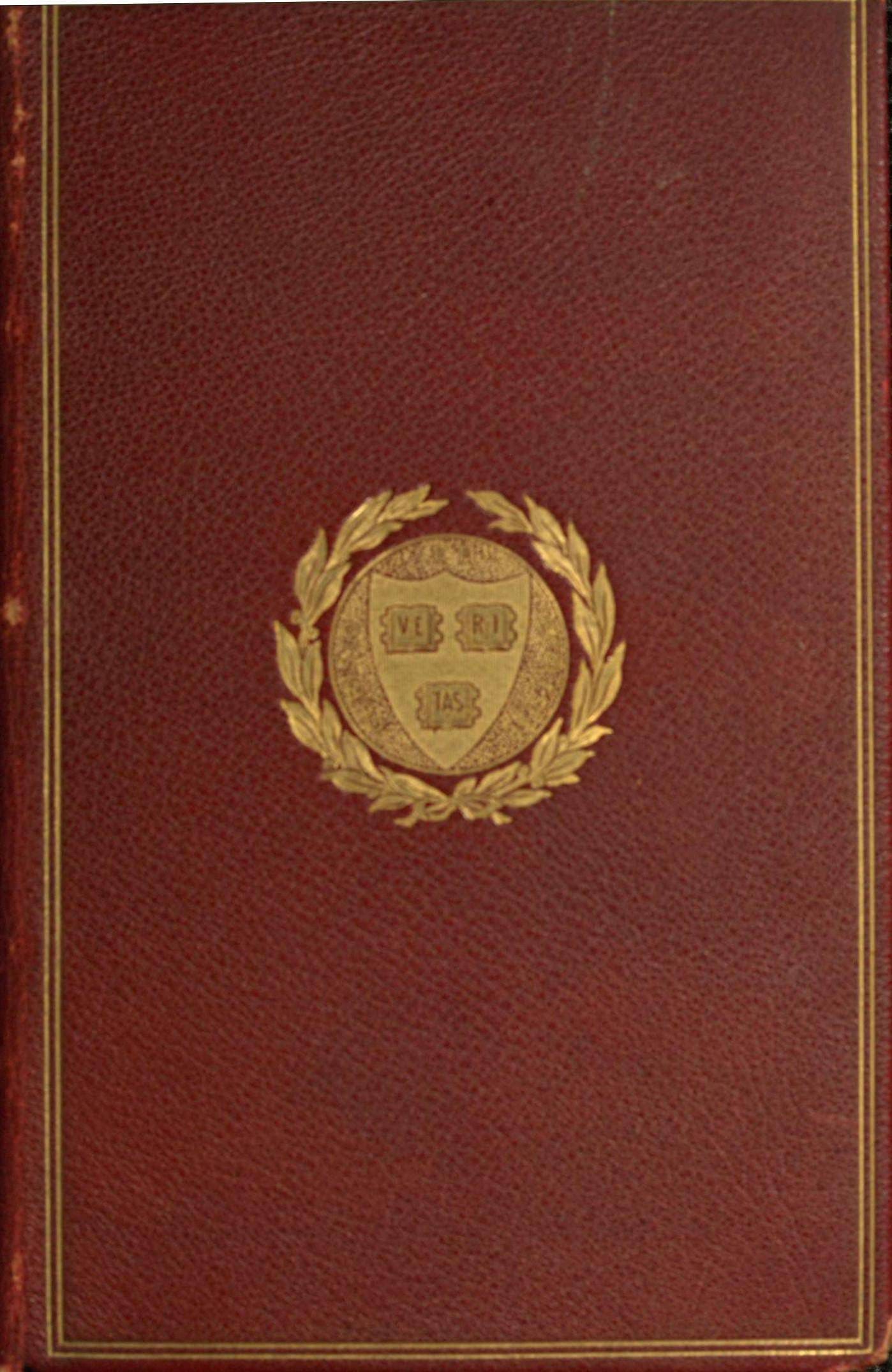
Miscellanies: Embracing Nature, Addresses, and Lectures
1856
Emerson's "Miscellanies" collects the essays that defined American Transcendentalism. The volume opens with "Nature," perhaps the most influential philosophical essay in American letters, in which Emerson argues that the natural world is not merely scenery but a living correspondence with the human soul. Here is the seed of everything American poets and philosophers would become: the belief that insight comes through direct experience rather than received wisdom, that solitude in wild places nourishes the mind, that each person contains "an intuition of moral truth." The collection also gathers addresses including "The American Scholar," Emerson's revolutionary call for intellectual independence from European deference, and his passionate speeches against slavery. These are not calm treatises but manifestos for a new American consciousness. Reading Emerson today feels less like studying history and more like receiving a letter from a radical optimist who insists that self-reliance remains possible, that nature still speaks, that the individual mind is worth trusting.
Editions
Link to this book
Add a free, dofollow link to Lex on your blog, forum, syllabus, or reading list.

<a href="https://lex-books.com/book/miscellanies-embracing-nature-addresses-and-lectures-2c78892a-c134-4410-a31d-91da525ae29d"><img src="https://lex-books.com/badges/read-on-lex.svg" alt="Read Miscellanies: Embracing Nature, Addresses, and Lectures by Ralph Waldo Emerson free on Lex" width="160" height="40"></a>[](https://lex-books.com/book/miscellanies-embracing-nature-addresses-and-lectures-2c78892a-c134-4410-a31d-91da525ae29d)[url=https://lex-books.com/book/miscellanies-embracing-nature-addresses-and-lectures-2c78892a-c134-4410-a31d-91da525ae29d][img]https://lex-books.com/badges/read-on-lex.svg[/img][/url]Read Miscellanies: Embracing Nature, Addresses, and Lectures by Ralph Waldo Emerson free on Lex: https://lex-books.com/book/miscellanies-embracing-nature-addresses-and-lectures-2c78892a-c134-4410-a31d-91da525ae29dCite this book
Reading this edition for a paper or guide? Copy a citation.
Emerson, Ralph Waldo. Miscellanies: Embracing Nature, Addresses, and Lectures. Lex, lex-books.com/book/miscellanies-embracing-nature-addresses-and-lectures-2c78892a-c134-4410-a31d-91da525ae29d.Emerson, R. W. (1856). Miscellanies: Embracing Nature, Addresses, and Lectures. Lex. https://lex-books.com/book/miscellanies-embracing-nature-addresses-and-lectures-2c78892a-c134-4410-a31d-91da525ae29dEmerson, Ralph Waldo. Miscellanies: Embracing Nature, Addresses, and Lectures. Lex. https://lex-books.com/book/miscellanies-embracing-nature-addresses-and-lectures-2c78892a-c134-4410-a31d-91da525ae29d.