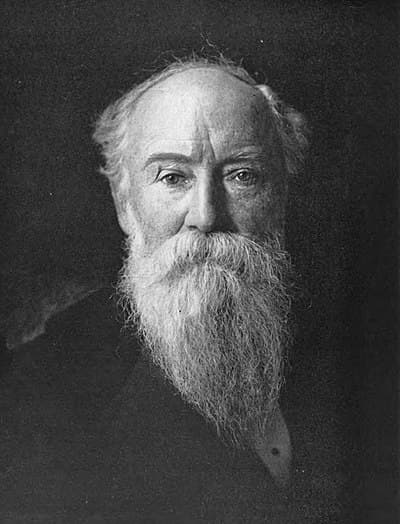
John Burroughs
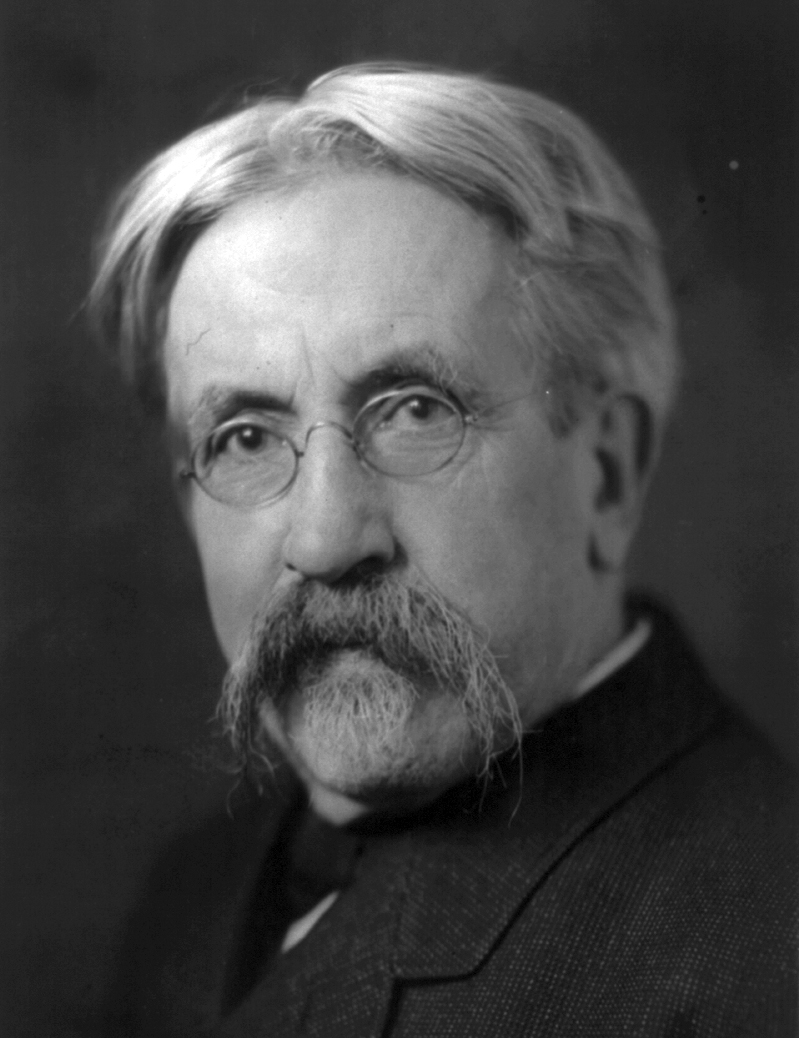
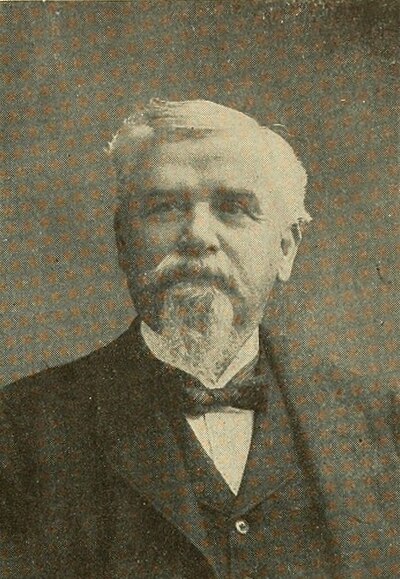
John Burroughs was an influential American naturalist and nature essayist whose work significantly contributed to the conservation movement in the United States. He emerged as a prominent literary figure with the publication of his first essay collection, Wake-Robin, in 1871. Unlike traditional scientific naturalists, Burroughs approached nature through a literary lens, emphasizing personal observation and unique perceptions of the natural world. His essays often blended keen observation with philosophical reflections, inviting readers to appreciate the beauty and complexity of nature in a deeply personal way. Burroughs' writings, including notable works such as The Mountains of California and The Animal World, captured the spirit of his time and resonated with the growing interest in environmental conservation. His advocacy for the appreciation of nature helped lay the groundwork for future conservation efforts in America. Although his popularity waned in the years following his death, Burroughs' legacy endures through his contributions to nature writing and the environmental movement, influencing generations of writers and naturalists who followed in his footsteps.
Famous Quotes
View all 3 quotes“Do not despise your own place and hour. Every place is under the stars, every place is the center of the world.”
“The lure of the distant and the difficult is deceptive. The great opportunity is where you are.”
“One resolution I have made, and try always to keep, is this: ‘To rise above little things’.”
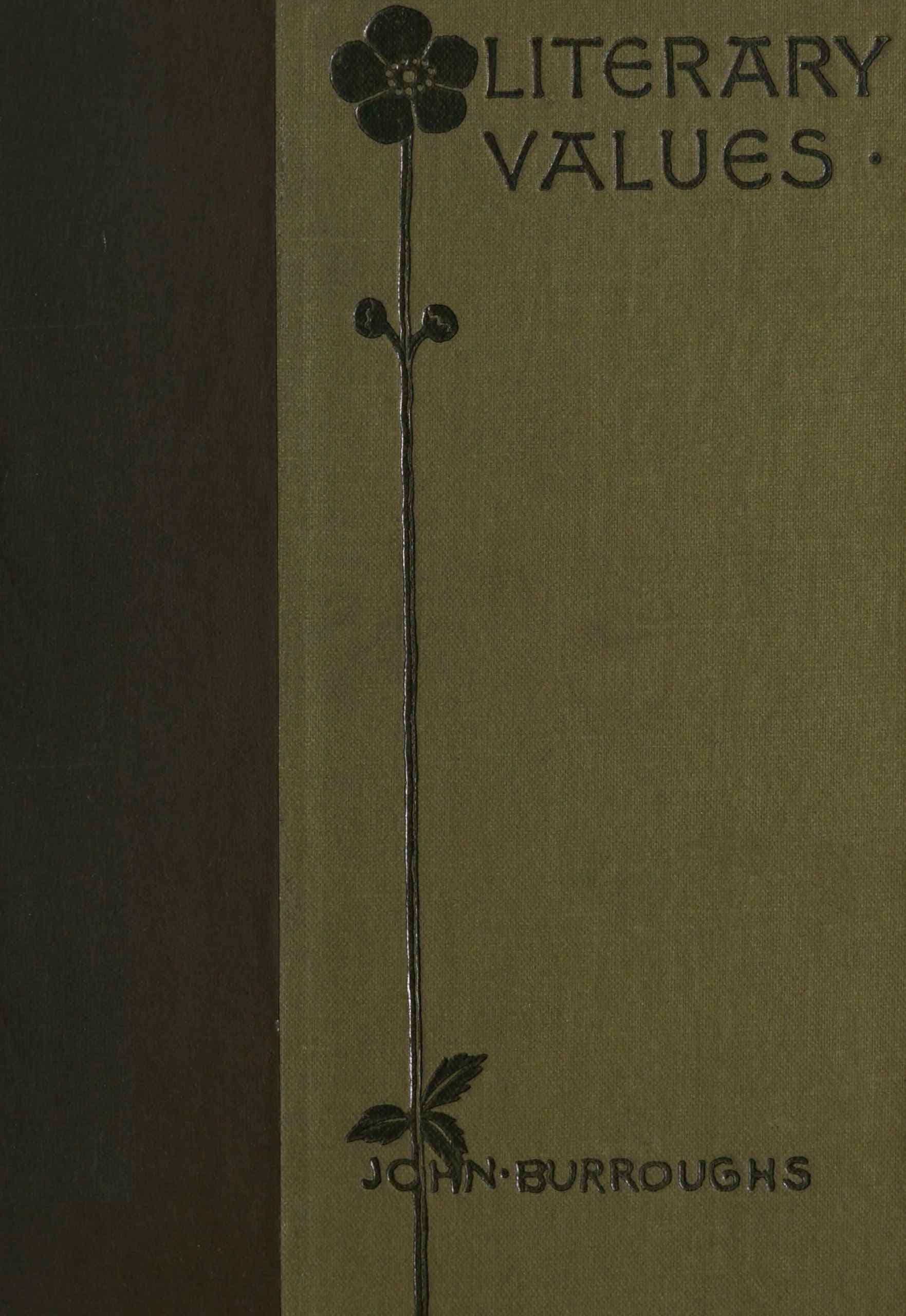
Books from the author
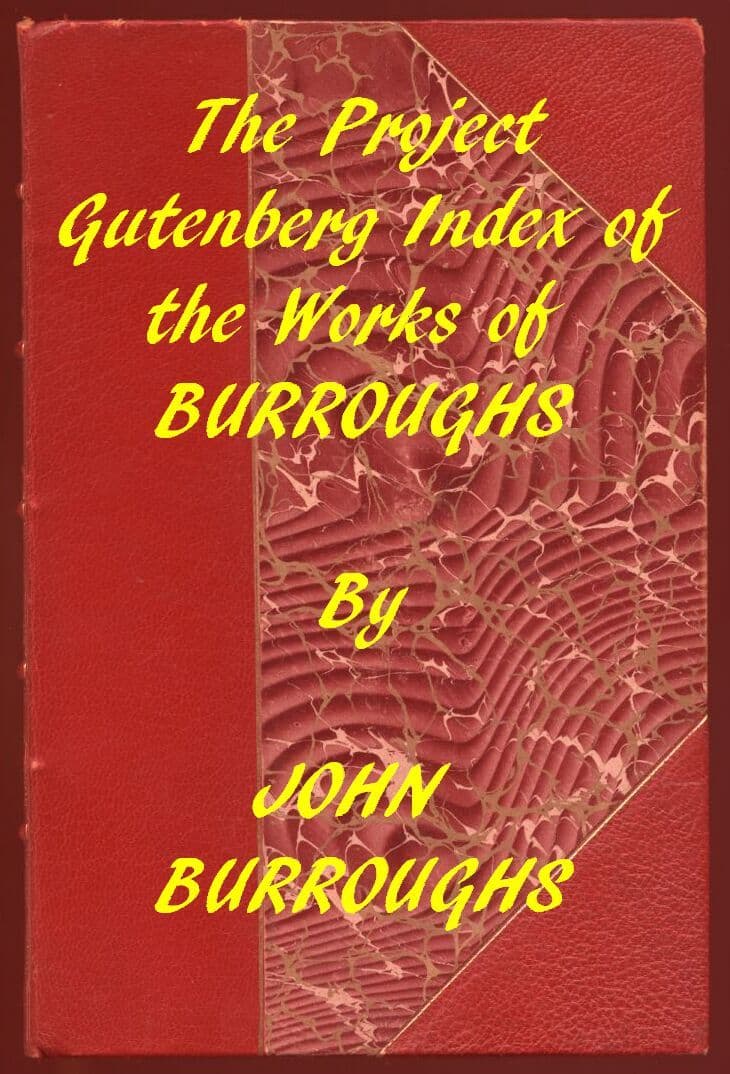
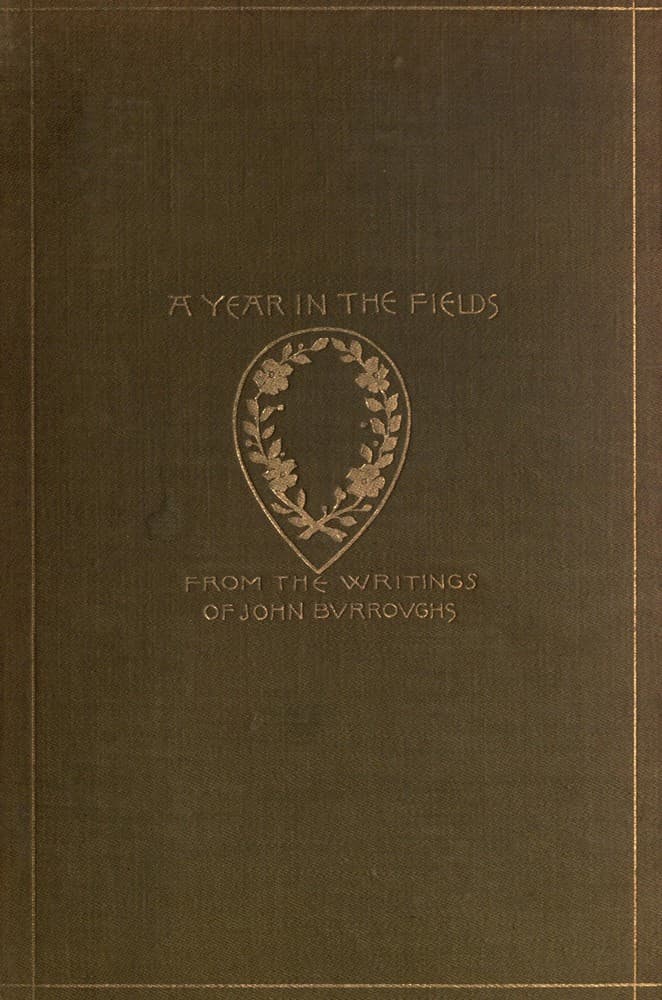
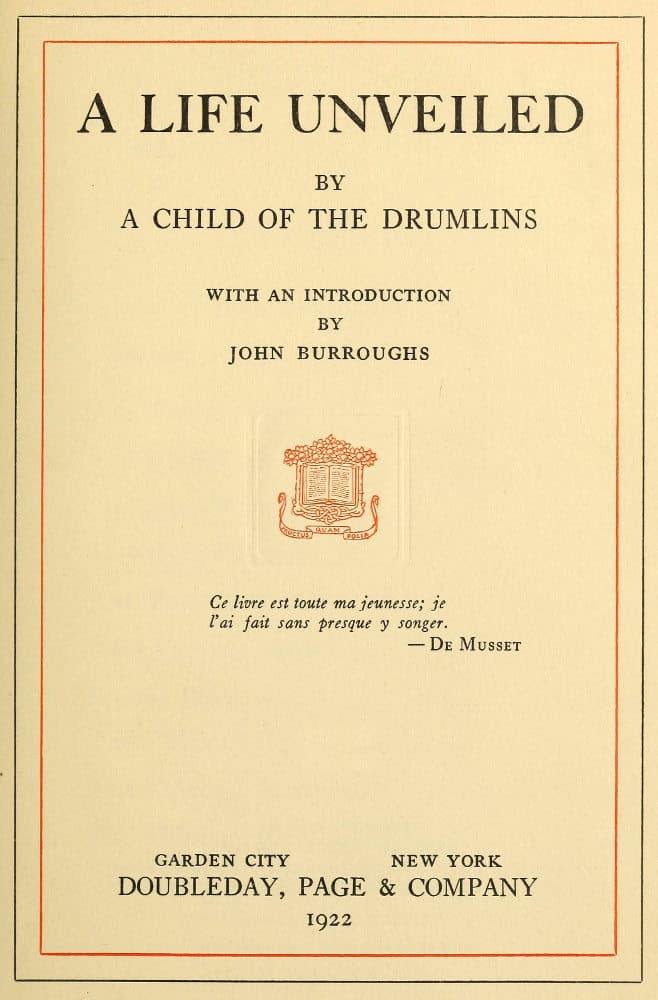

Link to this page
Add a free, dofollow link to Lex on your blog, forum, syllabus, or reading list.

<a href="https://lex-books.com/author/john-burroughs"><img src="https://lex-books.com/badges/read-on-lex.svg" alt="John Burroughs on Lex" width="160" height="40"></a>[](https://lex-books.com/author/john-burroughs)[url=https://lex-books.com/author/john-burroughs][img]https://lex-books.com/badges/read-on-lex.svg[/img][/url]John Burroughs on Lex: https://lex-books.com/author/john-burroughs