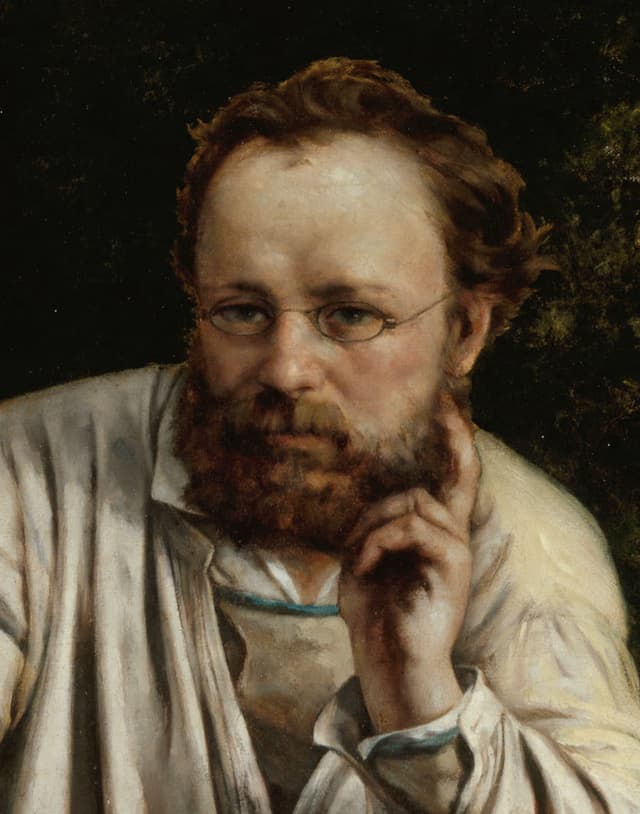
P.-J. Proudhon
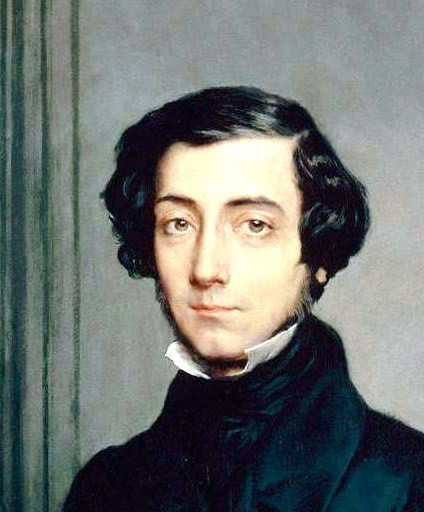
Pierre-Joseph Proudhon was a French philosopher, economist, and socialist, best known for his influential ideas on property and social organization. Born in a working-class family, Proudhon became a prominent figure in the socialist movement of the 19th century, advocating for anarchism and mutualism as alternatives to capitalism and state control. His seminal work, 'What is Property? an Inquiry into the Principle of Right and of Government,' famously declared that 'property is theft,' challenging the conventional notions of ownership and advocating for a society based on cooperative and communal principles. In addition to his critiques of property, Proudhon explored the contradictions inherent in economic systems in his work 'System of Economical Contradictions; Or, the Philosophy of Misery.' He analyzed the struggles of the working class and the moral implications of economic inequality, positioning himself as a radical thinker who sought to reconcile individual freedom with social justice. Proudhon's ideas laid the groundwork for later anarchist thought and influenced various social movements, making him a pivotal figure in the development of modern political philosophy. His legacy endures in contemporary discussions of anarchism, socialism, and economic justice.
Famous Quotes
View all 1 quotes“Je rêve une société où je serai guillotiné comme conservateur.””
Books from the author


Link to this page
Add a free, dofollow link to Lex on your blog, forum, syllabus, or reading list.

<a href="https://lex-books.com/author/p-j-proudhon"><img src="https://lex-books.com/badges/read-on-lex.svg" alt="P.-J. Proudhon on Lex" width="160" height="40"></a>[](https://lex-books.com/author/p-j-proudhon)[url=https://lex-books.com/author/p-j-proudhon][img]https://lex-books.com/badges/read-on-lex.svg[/img][/url]P.-J. Proudhon on Lex: https://lex-books.com/author/p-j-proudhon