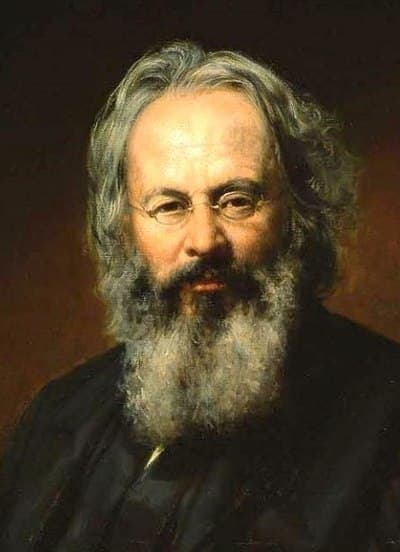
Orestes Augustus Brownson
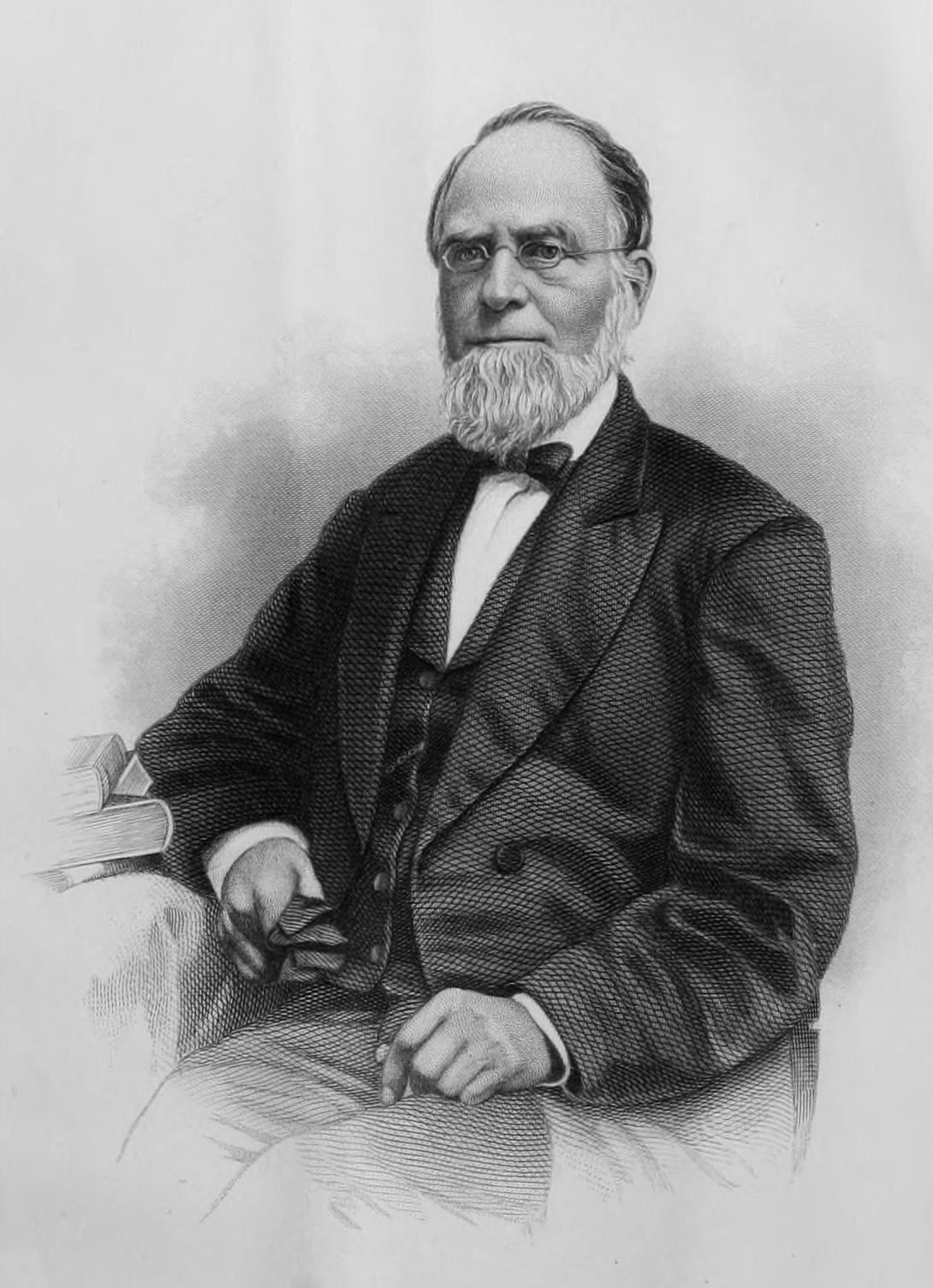
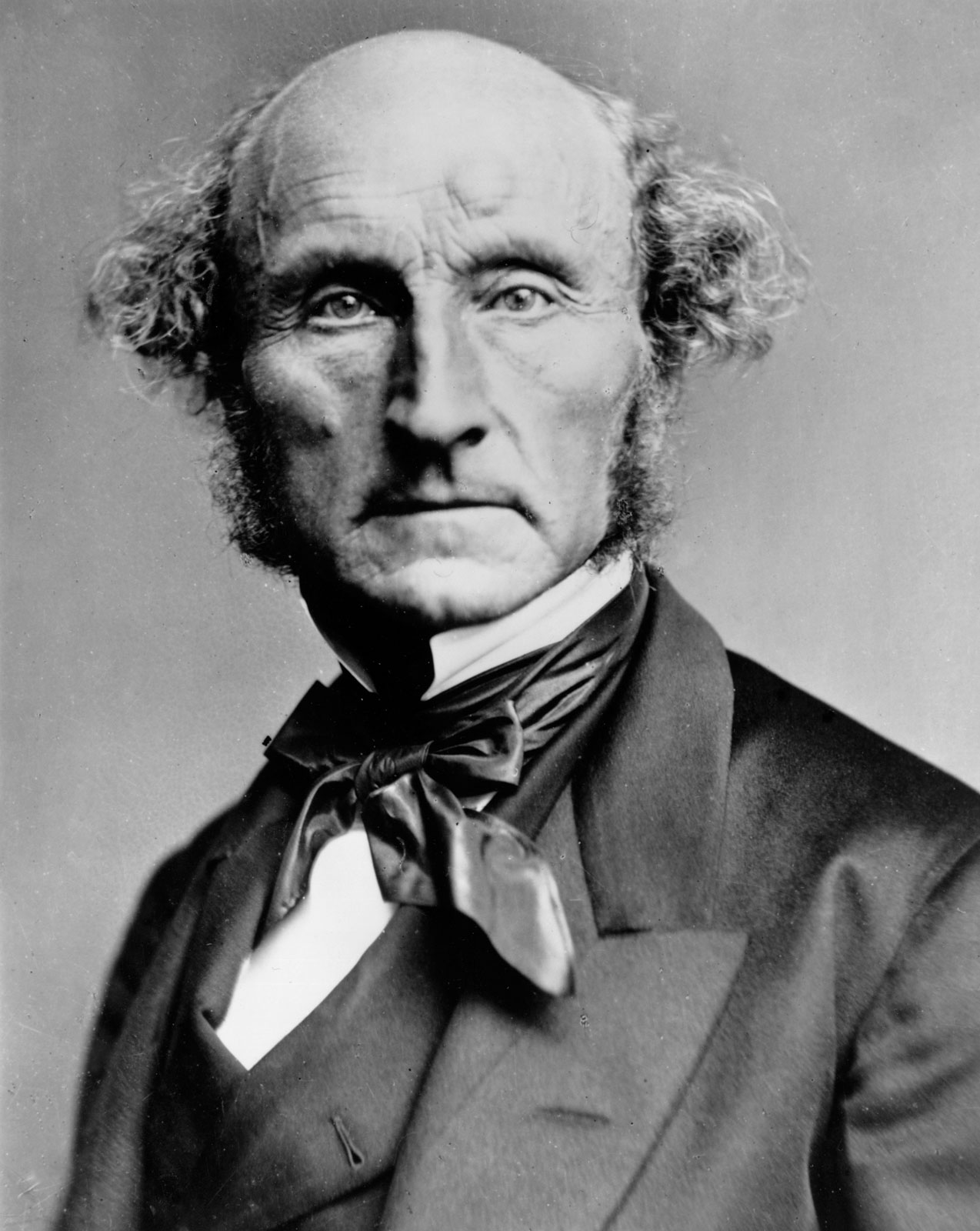
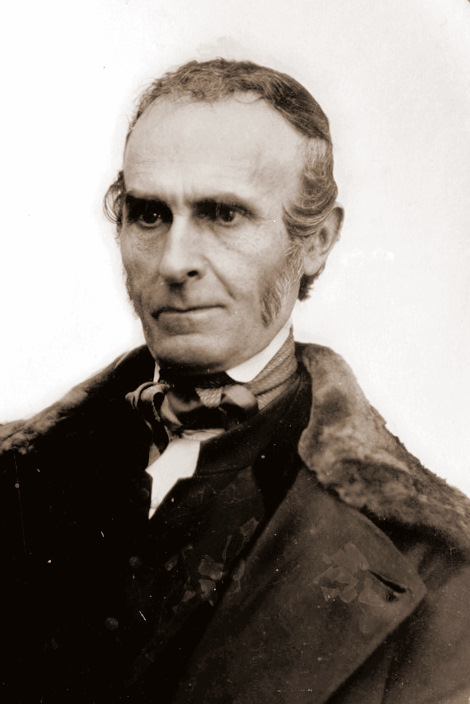
Orestes Augustus Brownson was an influential American intellectual and writer whose career spanned various roles, including preacher, labor organizer, and publicist. Born in 1803, he initially aligned with the New England Transcendentalists, contributing to the vibrant intellectual discourse of the time. However, his journey took a significant turn with his conversion to Roman Catholicism, which profoundly shaped his later writings and activism. Brownson's essays and critiques often explored the intersections of faith, philosophy, and social justice, making him a pivotal figure in 19th-century American thought. Among his notable works are 'The Convert' and 'The American Republic,' where he articulated his vision of a society grounded in Catholic principles. Brownson's writings not only reflected his personal beliefs but also engaged with contemporary issues such as labor rights and the role of religion in public life. His legacy endures in the realms of Catholic social teaching and American intellectual history, as he challenged prevailing notions and sought to integrate faith with the demands of modernity.
Famous Quotes
View all 1 quotes“But American statesmen have studied the constitutions of other states more than that of their own, and have succeeded in obscuring the American system in the minds of the people, and giving them in its place pure and simple democracy, which is its false development or corruption. Under the influence of this false development, the people were fast losing sight of the political truth that, though the people are sovereign, it is the organic, not the inorganic people, the territorial people, not the people as simple population, and were beginning to assert the absolute God-given right of the majority to govern. All the changes made in the bosom of the States themselves have consisted in removing all obstacles to the irresponsible will of the majority, leaving minorities and individuals at their mercy. This tendency to a centralized democracy had more to do with provoking secession and rebellion than the anti-slavery sentiments of the Northern, Central, and Western States.”
Books from the author



Link to this page
Add a free, dofollow link to Lex on your blog, forum, syllabus, or reading list.

<a href="https://lex-books.com/author/orestes-augustus-brownson"><img src="https://lex-books.com/badges/read-on-lex.svg" alt="Orestes Augustus Brownson on Lex" width="160" height="40"></a>[](https://lex-books.com/author/orestes-augustus-brownson)[url=https://lex-books.com/author/orestes-augustus-brownson][img]https://lex-books.com/badges/read-on-lex.svg[/img][/url]Orestes Augustus Brownson on Lex: https://lex-books.com/author/orestes-augustus-brownson