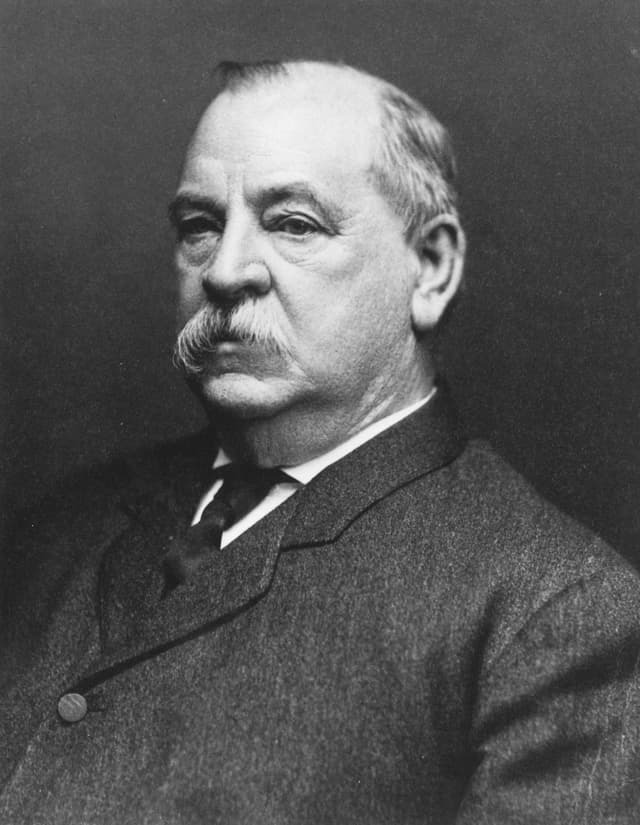
Grover Cleveland
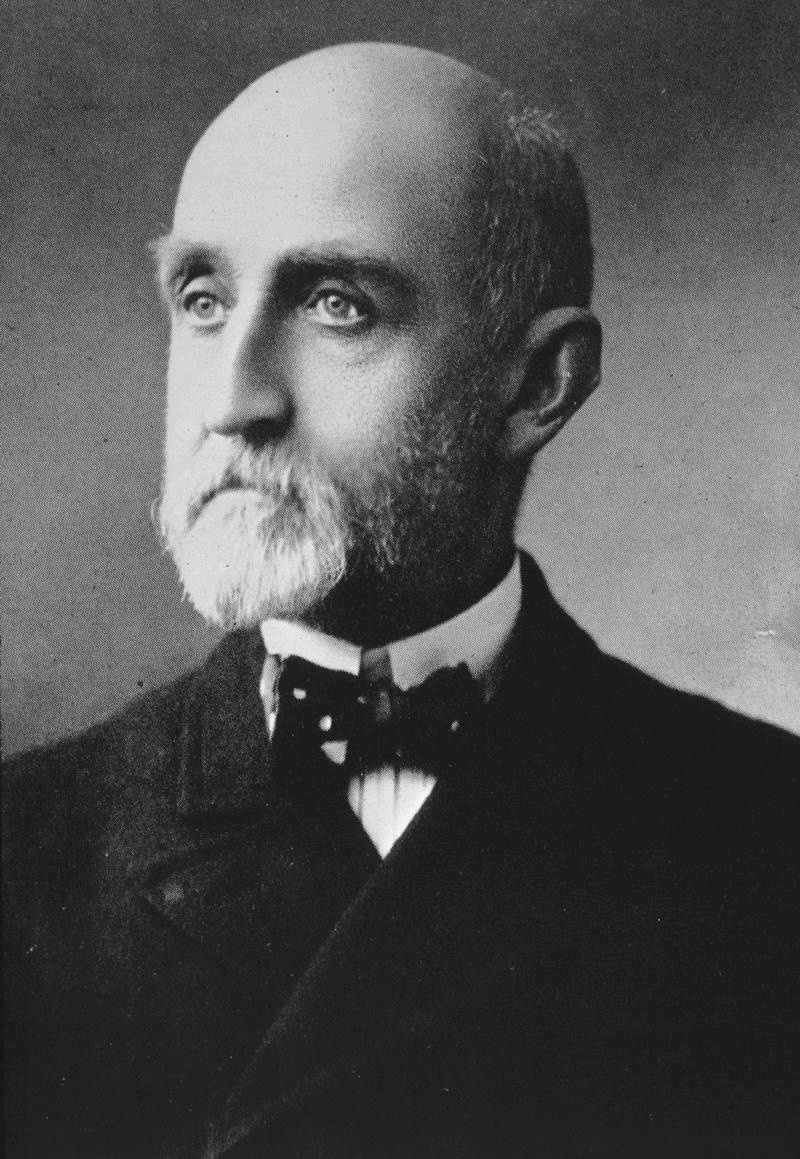
Stephen Grover Cleveland was a significant figure in American political history, serving as the 22nd and 24th president of the United States, making him the only president to hold nonconsecutive terms. Born in Caldwell, New Jersey, he began his political career as the mayor of Buffalo in 1881 and quickly ascended to the governorship of New York in 1882. Cleveland was known for his commitment to reform, working alongside Theodore Roosevelt to implement measures that garnered national attention. As a leader of the Bourbon Democrats, he championed fiscal conservatism and political integrity, opposing high tariffs and imperialism, which resonated with a growing conservative movement in America during his time. Cleveland's presidency was marked by significant legislative achievements, including the Interstate Commerce Act of 1887, which established federal regulation of the railroad industry, and the Dawes Act, which aimed to assimilate Native Americans by allotting them individual plots of land. Despite his popularity, he faced challenges, notably losing the electoral college in the 1888 election despite winning the popular vote. After his presidency, he returned to private law practice but remained an influential figure in American politics. His legacy is characterized by his fight against corruption and his advocacy for limited government, earning him respect from both contemporaries and future generations of political leaders.
Famous Quotes
View all 10 quotes“A cause worth fighting for is worth fighting for to the end.””
“I have tried so hard to do right.””
“Sensible and responsible women do not want to vote. The relative positions to be assumed by man and woman in the working out of our civilization were assigned long ago by a higher intelligence than ours.””
Books from the author
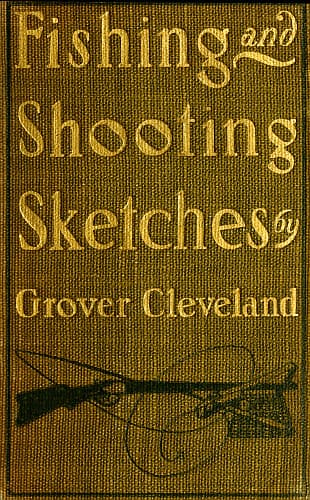
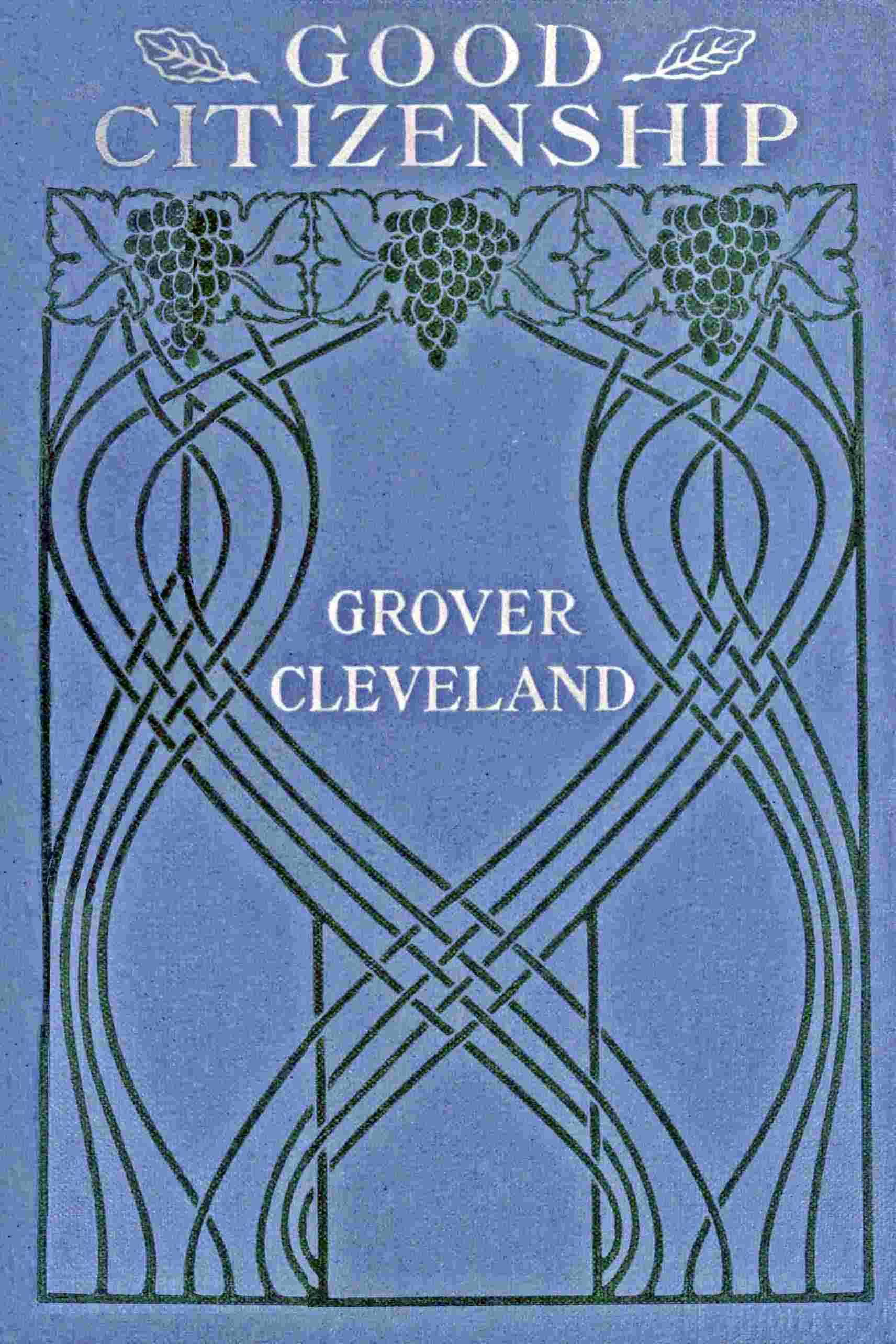


Link to this page
Add a free, dofollow link to Lex on your blog, forum, syllabus, or reading list.

<a href="https://lex-books.com/author/grover-cleveland"><img src="https://lex-books.com/badges/read-on-lex.svg" alt="Grover Cleveland on Lex" width="160" height="40"></a>[](https://lex-books.com/author/grover-cleveland)[url=https://lex-books.com/author/grover-cleveland][img]https://lex-books.com/badges/read-on-lex.svg[/img][/url]Grover Cleveland on Lex: https://lex-books.com/author/grover-cleveland