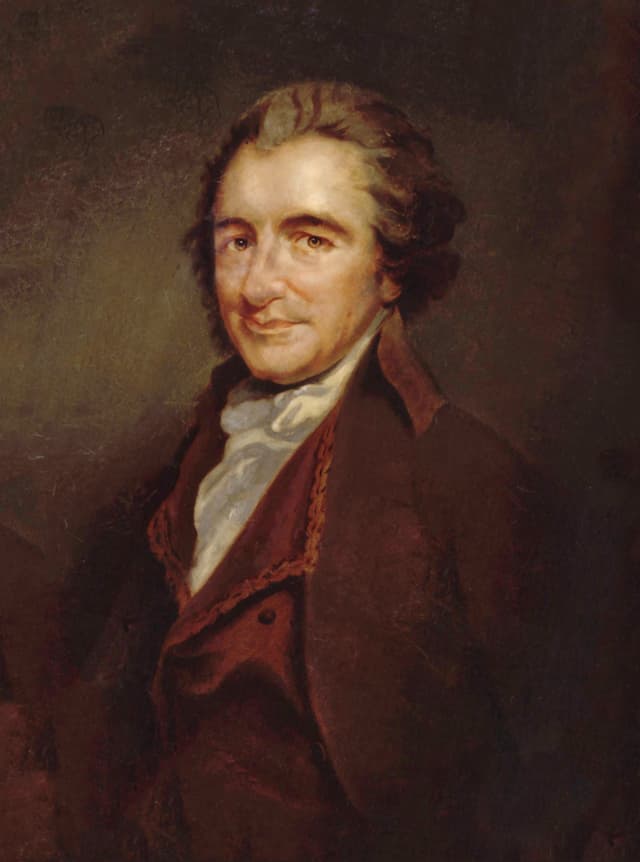
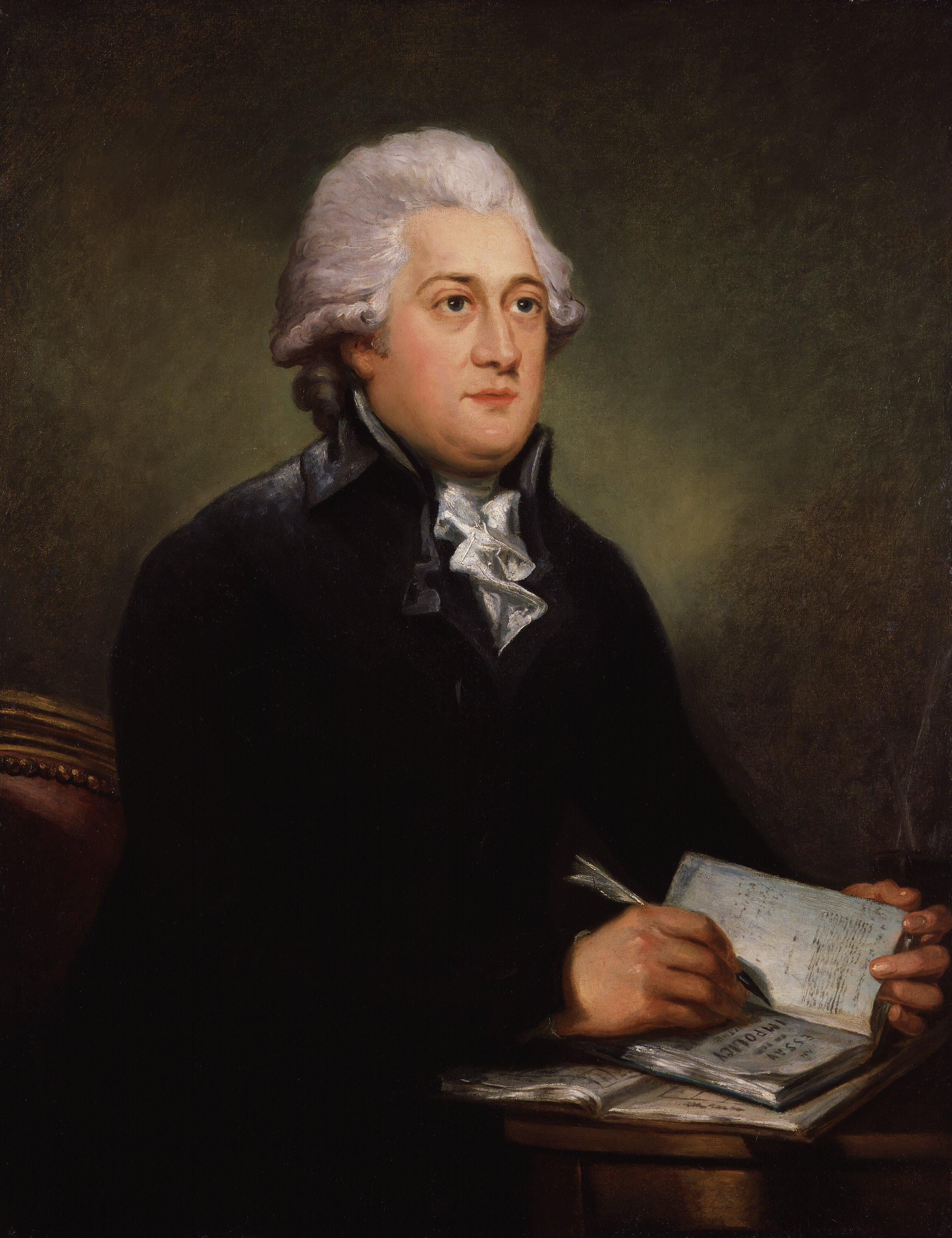
Thomas Paine
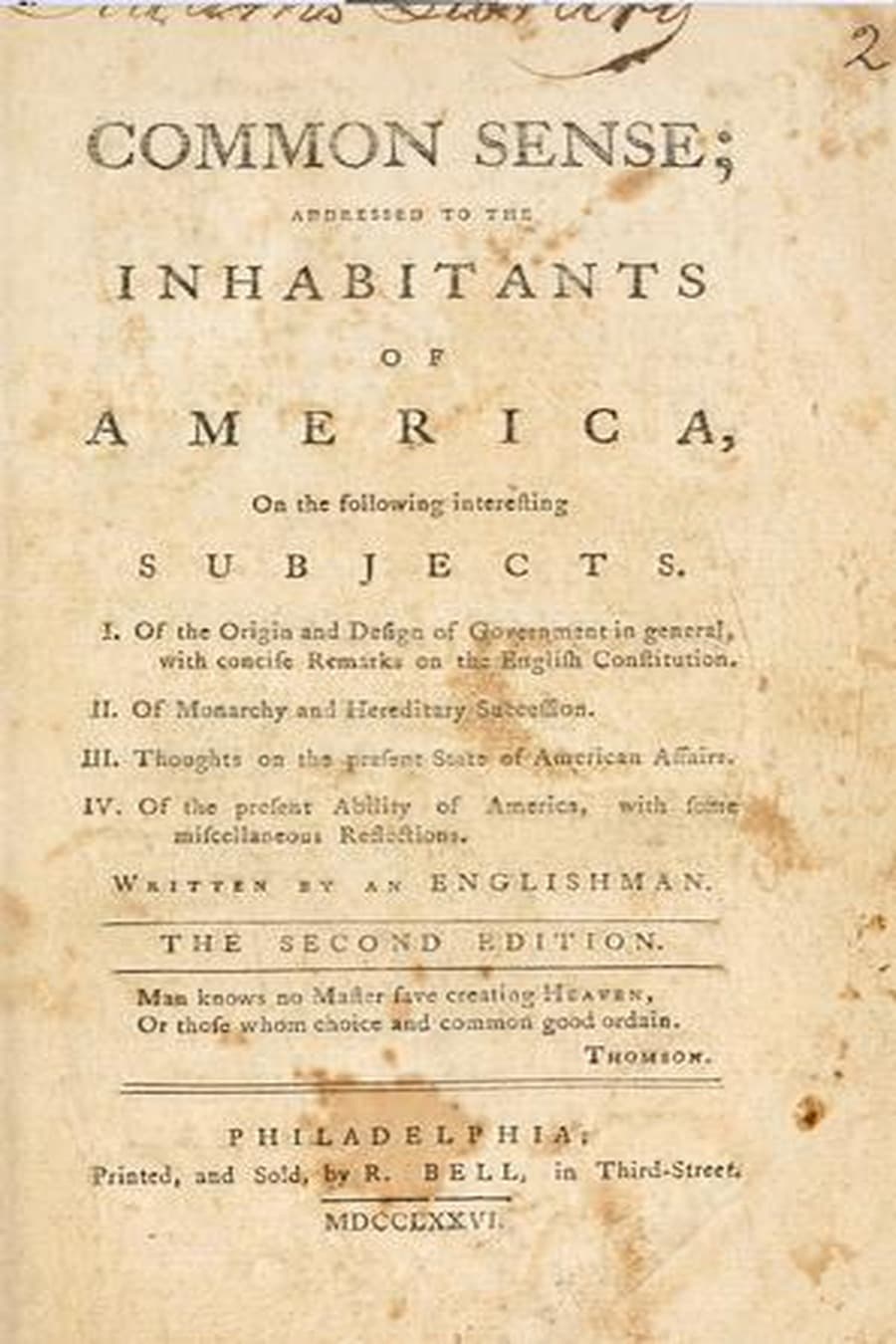
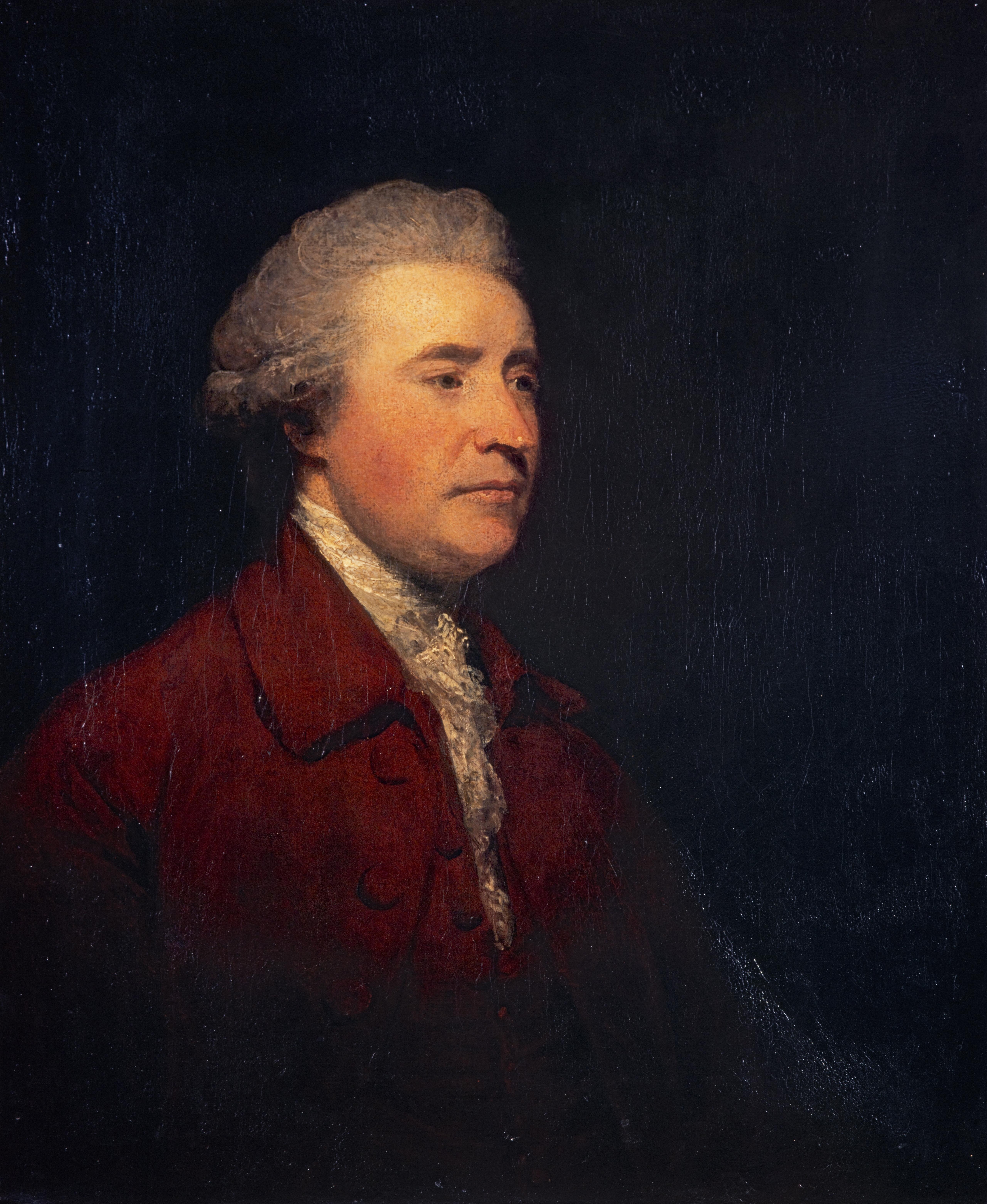
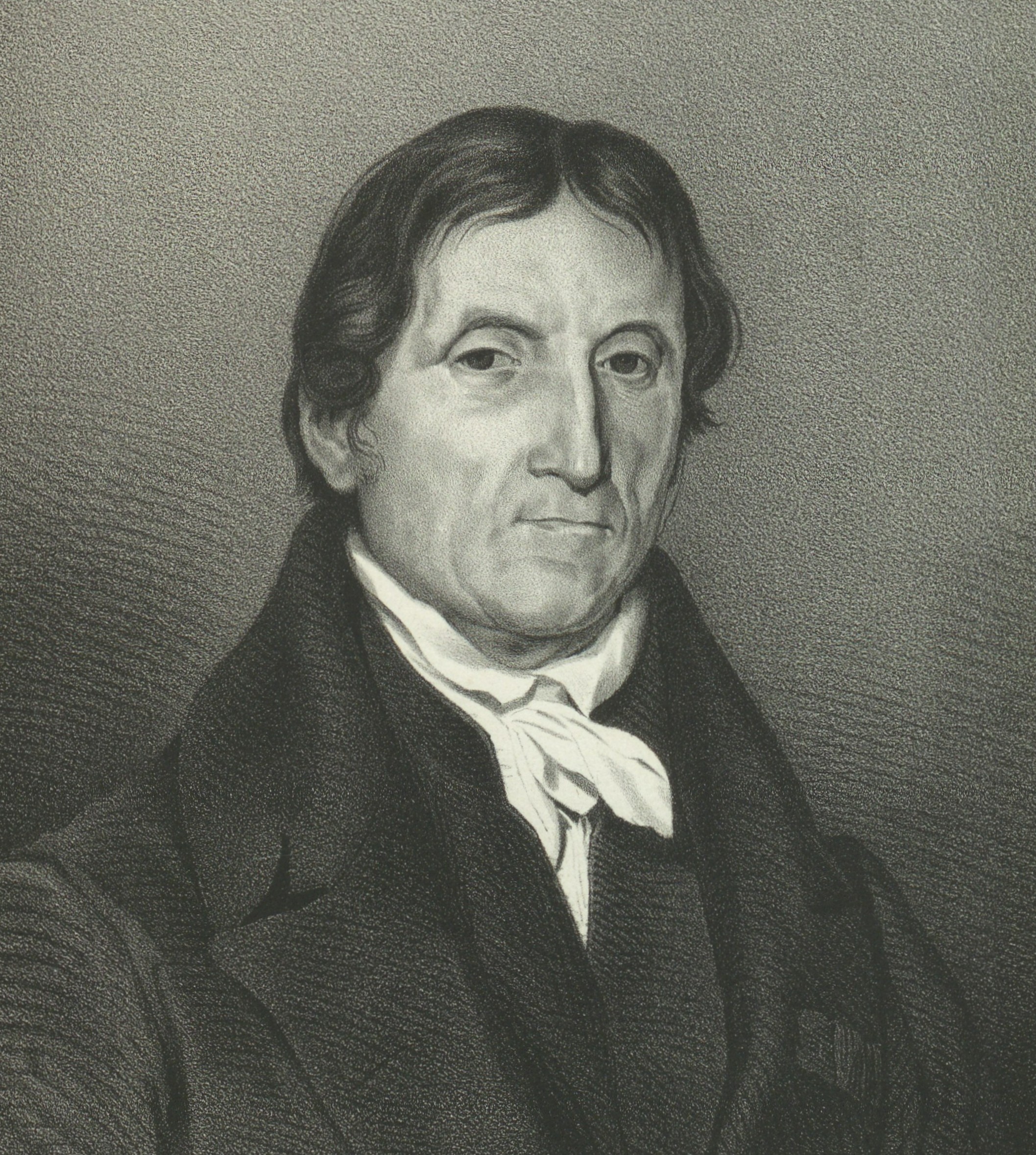
Thomas Paine was an influential English-born American Founding Father, political philosopher, and revolutionary figure whose writings played a crucial role in shaping the discourse surrounding independence and human rights during the late 18th century. Born in Thetford, Norfolk, he immigrated to the American colonies in 1774, where he quickly became a prominent voice for the Patriot cause. His pamphlet, Common Sense, published in 1776, was a seminal work that galvanized public opinion in favor of independence from Great Britain, making the case for self-governance and the rights of individuals. Following this, he authored The American Crisis series, which inspired American troops during the Revolutionary War and reinforced the resolve of the fledgling nation. Paine's impact extended beyond American shores; upon returning to Britain in 1787, he wrote Rights of Man in response to critiques of the French Revolution, particularly from conservative figures like Edmund Burke. His advocacy for the rights of the people to challenge oppressive governments led to his conviction for seditious libel in England, prompting his flight to France. There, he was elected to the French National Convention, though his radical views eventually led to his imprisonment during the Reign of Terror. Despite facing significant adversity, Paine continued to write, completing The Age of Reason while incarcerated. His works not only influenced revolutionary movements in both America and France but also laid foundational ideas for modern democratic thought, cementing his legacy as a champion of liberty and human rights.
Famous Quotes
View all 19 quotes“The mind once enlightened cannot again become dark.””
“To argue with a man who has renounced the use and authority of reason, and whose philosophy consists in holding humanity in contempt, is like administering medicine to the dead, or endeavoring to convert an atheist by scripture.””
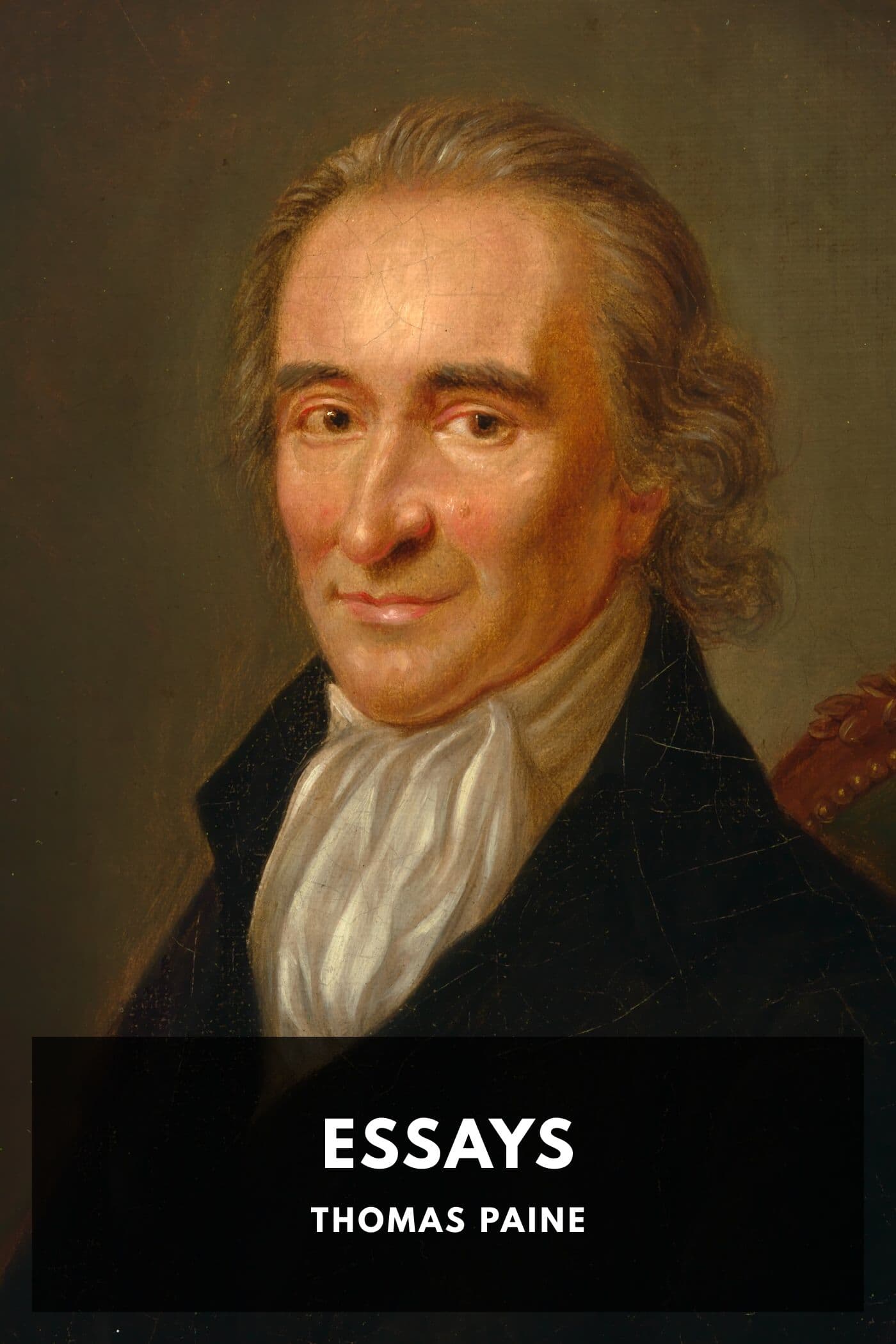
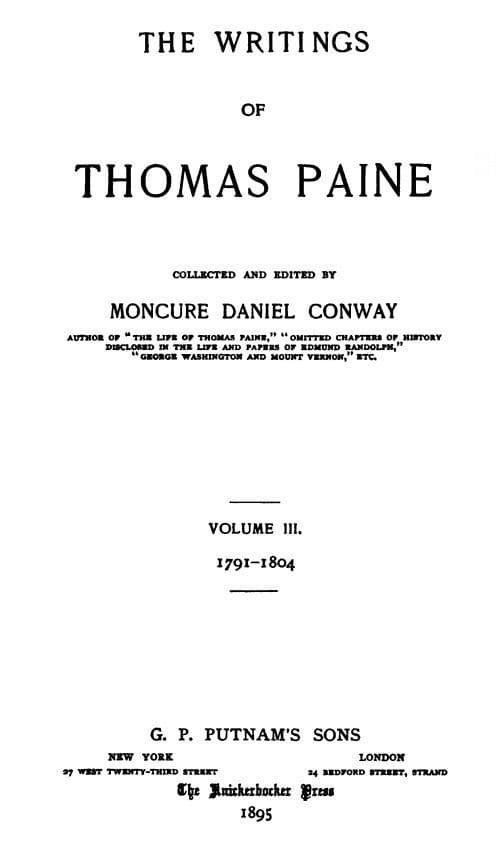
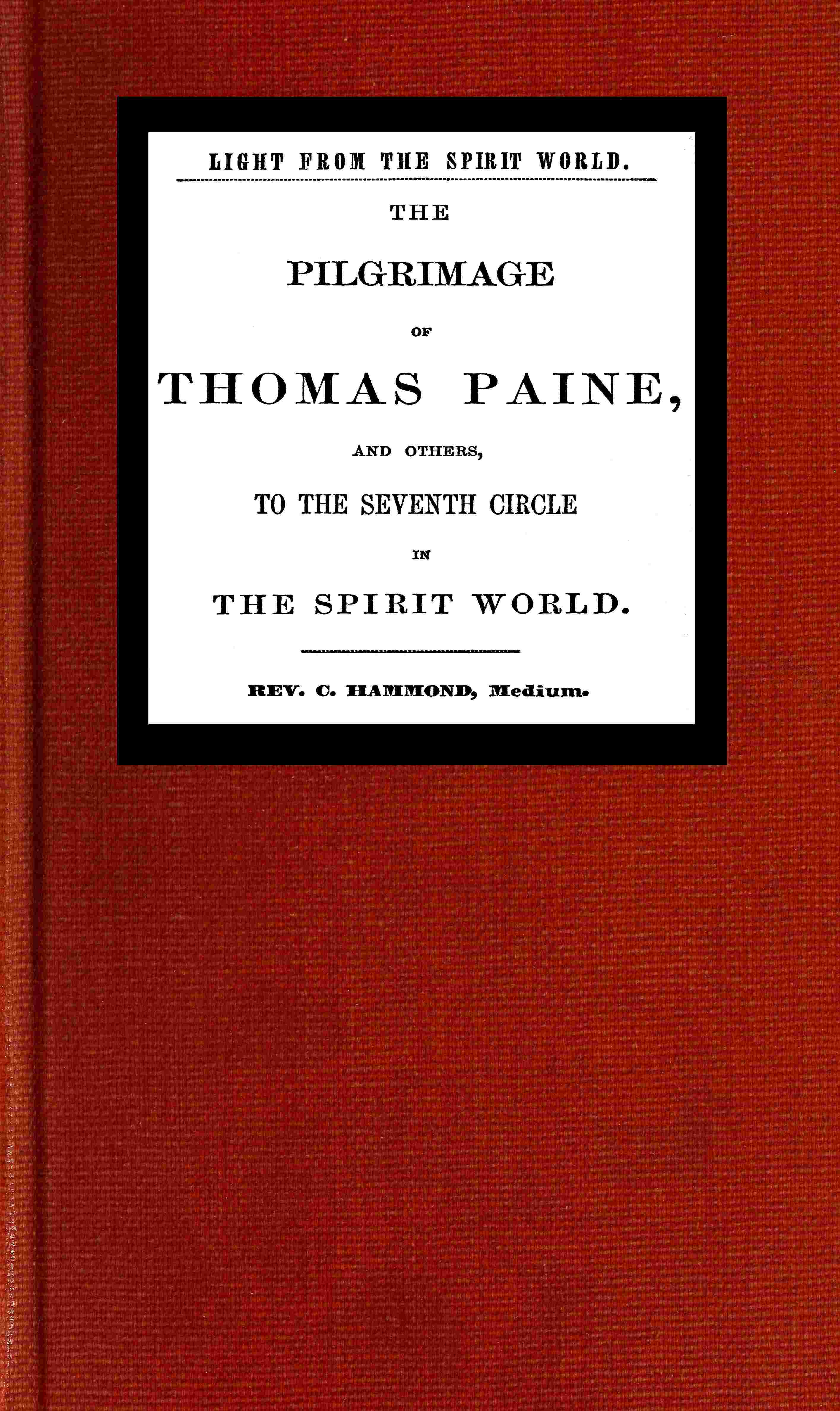
Books from the author











Link to this page
Add a free, dofollow link to Lex on your blog, forum, syllabus, or reading list.

<a href="https://lex-books.com/author/thomas-paine-2"><img src="https://lex-books.com/badges/read-on-lex.svg" alt="Thomas Paine on Lex" width="160" height="40"></a>[](https://lex-books.com/author/thomas-paine-2)[url=https://lex-books.com/author/thomas-paine-2][img]https://lex-books.com/badges/read-on-lex.svg[/img][/url]Thomas Paine on Lex: https://lex-books.com/author/thomas-paine-2