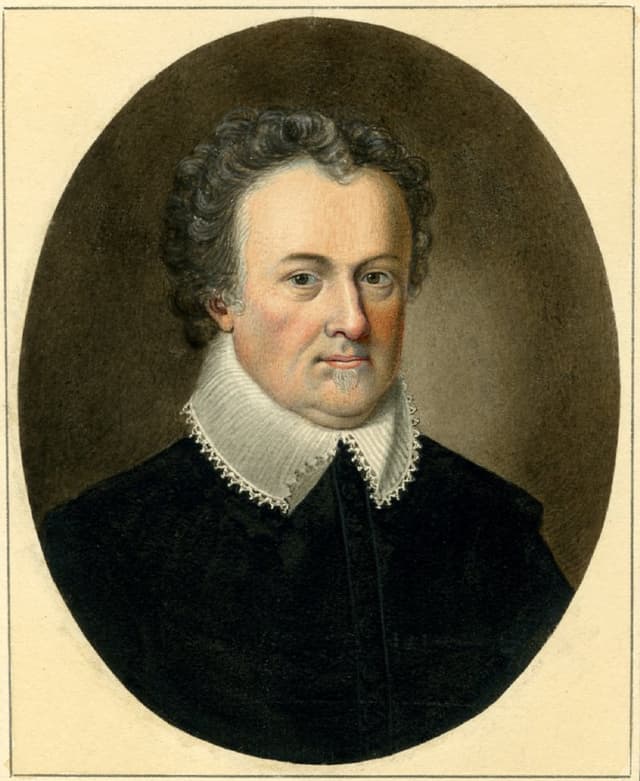
Michael Drayton
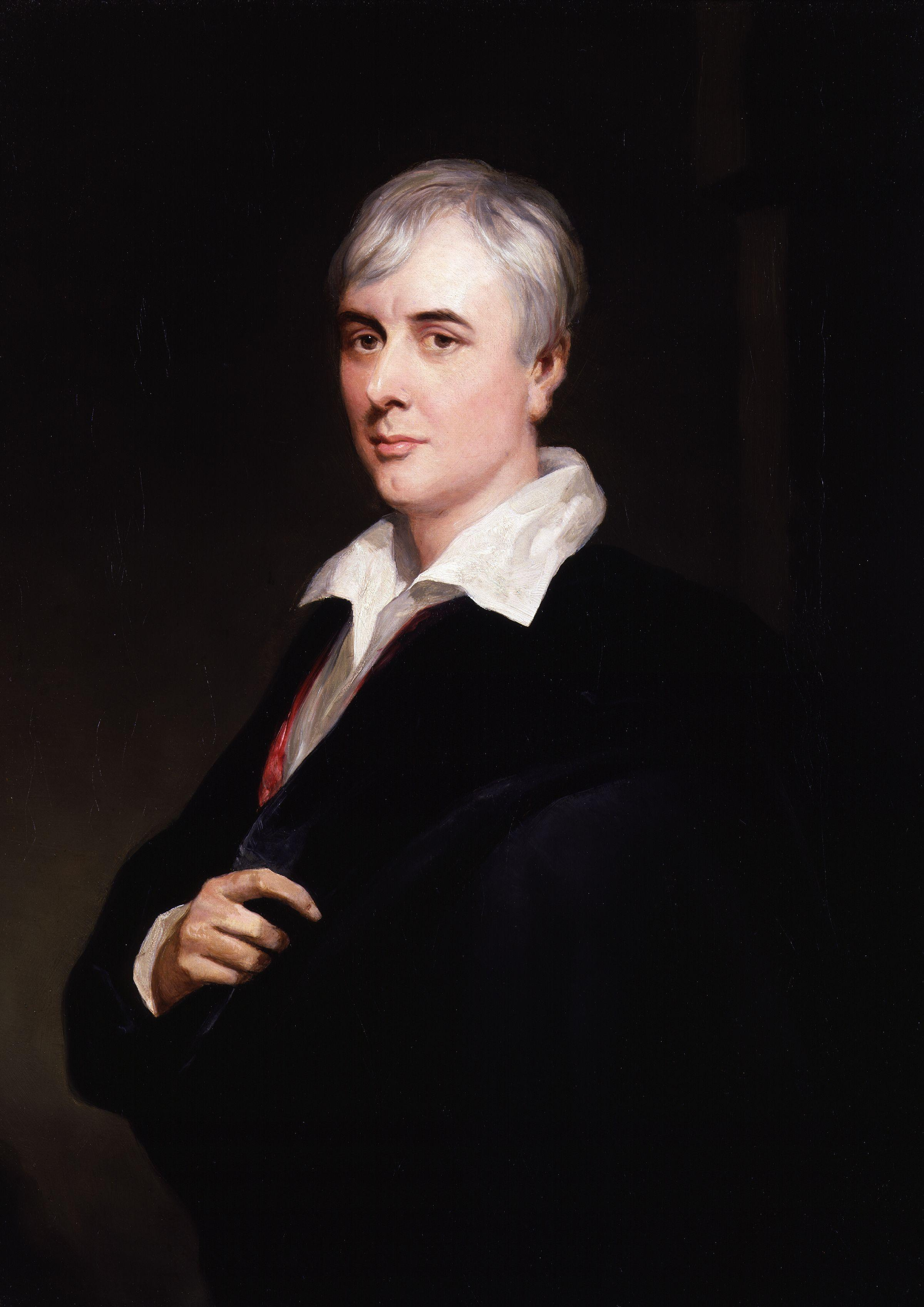
Michael Drayton was an influential English poet of the Elizabethan era, whose literary career spanned into the reigns of James I and Charles I. He gained prominence for his historical poetry, which often reflected the political and cultural landscape of his time. Drayton was notably the first English-language author to adopt the ode form in the style of the Roman poet Horace, showcasing his innovative approach to poetic structure and themes. His works, including 'Poly-Olbion' and 'The Barons' Wars', are celebrated for their rich imagery and intricate verse, contributing significantly to the development of English poetry. Drayton's legacy lies not only in his pioneering use of the ode but also in his ability to blend history with personal reflection, creating a unique voice that resonated with his contemporaries. His exploration of national identity and historical narrative paved the way for future poets, influencing the trajectory of English literature. Despite being overshadowed by his more famous peers, Drayton's contributions remain an essential part of the poetic canon, marking him as a key figure in the evolution of English verse during a transformative period in literary history.
Famous Quotes
View all 3 quotes“Since there's no help, come, let us kiss and part, Nay, I have done, you get no more of me, And I am glad, yea, glad with all my heart, That thus so cleanly I myself can free. Shake hands for ever, cancel all our vows, And when we meet at any time again Be it not seen in either of our brows That we one jot of former love retain. Now at the last gasp of Love's latest breath, When, his pulse failing, Passion speechless lies, When Faith is kneeling by his bed of death, And Innocence is closing up his eyes, Now, if thou wouldst, when all have giv'n him over, From death to life thou might'st him yet recover. - Sonnet LXI”
“Since there is no help let us kiss and part. - Sonnet LXI”
“Bright Star Of Beauty Bright star of beauty, on whose eyelids sit A thousand nymph-like and enamour'd Graces, The Goddesses of Memory and Wit, Which there in order take their several places; In whose dear bosom sweet delicious Love Lays down his quiver, which he once did bear, Since he that blessed Paradise did prove, And leaves his mother's lap to sport him there. Let others strive to entertain with words; My soul is of a braver metal made; I hold that vile which vulgar wit affords; In me's that faith which Time cannot invade. Let what I praise be still made good by you; Be you most worthy, whilst I am most true”
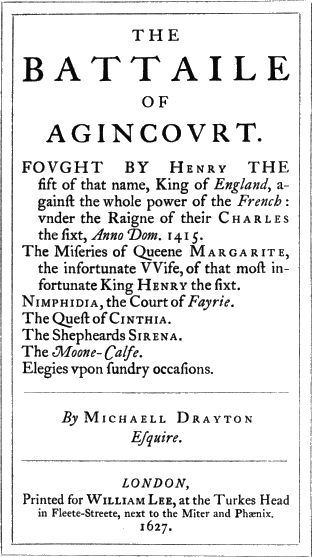
Books from the author

Link to this page
Add a free, dofollow link to Lex on your blog, forum, syllabus, or reading list.

<a href="https://lex-books.com/author/michael-drayton"><img src="https://lex-books.com/badges/read-on-lex.svg" alt="Michael Drayton on Lex" width="160" height="40"></a>[](https://lex-books.com/author/michael-drayton)[url=https://lex-books.com/author/michael-drayton][img]https://lex-books.com/badges/read-on-lex.svg[/img][/url]Michael Drayton on Lex: https://lex-books.com/author/michael-drayton