Mencius
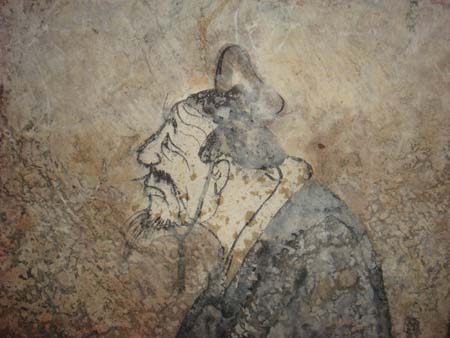
Mencius, a prominent Chinese philosopher during the Warring States period, was a key figure in the Confucian tradition and is often regarded as the 'second sage' of Confucianism, following Confucius himself. He expanded upon Confucian ideas, emphasizing the inherent goodness of human nature and the importance of moral cultivation. His teachings were compiled in the text known as the 'Mencius,' which is a collection of dialogues and philosophical discussions that explore ethics, politics, and human behavior. Through his work, Mencius argued for the role of benevolent governance and the moral responsibility of rulers to care for their subjects, advocating for a government that prioritizes the welfare of the people over strict adherence to laws or rituals. Mencius's influence extended beyond his lifetime, shaping Chinese thought and political philosophy for centuries. His ideas contributed to the development of Confucianism as a dominant ideology in China, affecting educational practices, governance, and social ethics. Mencius's belief in the innate goodness of people and the potential for moral development has left a lasting legacy, making him a foundational figure in East Asian philosophy and a crucial voice in discussions about ethics and governance.
Famous Quotes
View all 20 quotes“Friendship is one mind in two bodies.””
“With melted snow I boil fragrant tea.””
“The great man is he who does not lose his child's heart””