John S. Hart
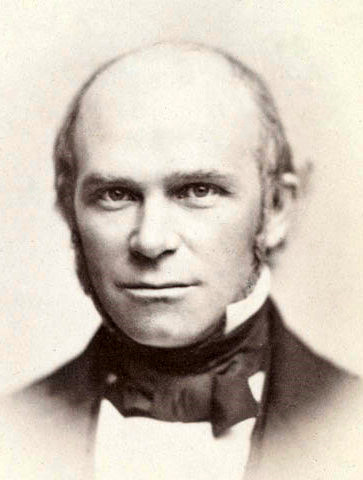
John S. Hart was an influential American educator and author, recognized for his contributions to educational philosophy in the 19th century. He served as a professor of pedagogy and was deeply invested in the development of teaching methods and educational practices. His notable works, including 'In the School-Room: Chapters in the Philosophy of Education' and 'In the School Room,' reflect his commitment to improving educational systems and advocating for effective teaching strategies. Hart's writings emphasized the importance of understanding the psychological aspects of learning and the role of the teacher in fostering a conducive learning environment. Hart's legacy lies in his pioneering ideas that shaped educational discourse during his time. He was an early advocate for the need to adapt teaching methods to the needs of students, promoting a more student-centered approach to education. His insights contributed to the evolution of educational theory and practice, influencing generations of educators. Through his work, Hart established himself as a significant figure in the history of American education, leaving a lasting impact on pedagogical thought and practice.
Famous Quotes
View all 14 quotes“found that positive self-talk can dramatically improve mood, boost confidence, increase productivity, and more. Much more. In fact, as evidenced by Professor Hart and his studies, it can be one of the key components to a happy, successful life. The bad news is, the reverse is also true: Negative self-talk can not only put us in a bad mood, it can leave us feeling helpless. It can make small problems seem bigger – and even create problems where none existed before. Here’s the breaking news, your self-talk is fucking you over and in ways you can’t even begin to imagine. With””
“Mom, I remember Lizzie,” Hart said. “She’s really not my type.” “She has a brother,” Wes said, from his lounge. “He’s not my type, either,” Hart said.””
“Perhaps the twentieth-century Senator is not called upon to risk his entire future on one basic issue in the manner of Edmund Ross or Thomas Hart Benton. Perhaps our modern acts of political courage do not arouse the public in the manner that crushed the career of Sam Houston and John Quincy Adams. Still, when we realize that a newspaper that chooses to denounce a Senator today can reach many thousand times as many voters as could be reached by all of Daniel Webster’s famous and articulate detractors put together, these stories of twentieth-century political courage have a drama, an excitement”
Books from the author




Link to this page
Add a free, dofollow link to Lex on your blog, forum, syllabus, or reading list.

<a href="https://lex-books.com/author/john-s-hart"><img src="https://lex-books.com/badges/read-on-lex.svg" alt="John S. Hart on Lex" width="160" height="40"></a>[](https://lex-books.com/author/john-s-hart)[url=https://lex-books.com/author/john-s-hart][img]https://lex-books.com/badges/read-on-lex.svg[/img][/url]John S. Hart on Lex: https://lex-books.com/author/john-s-hart