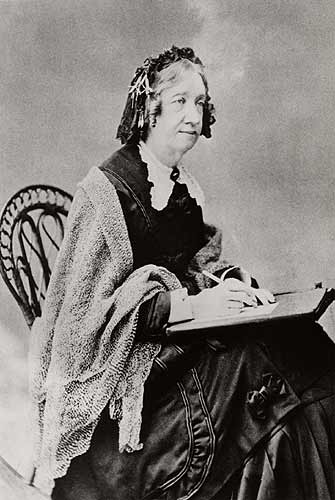
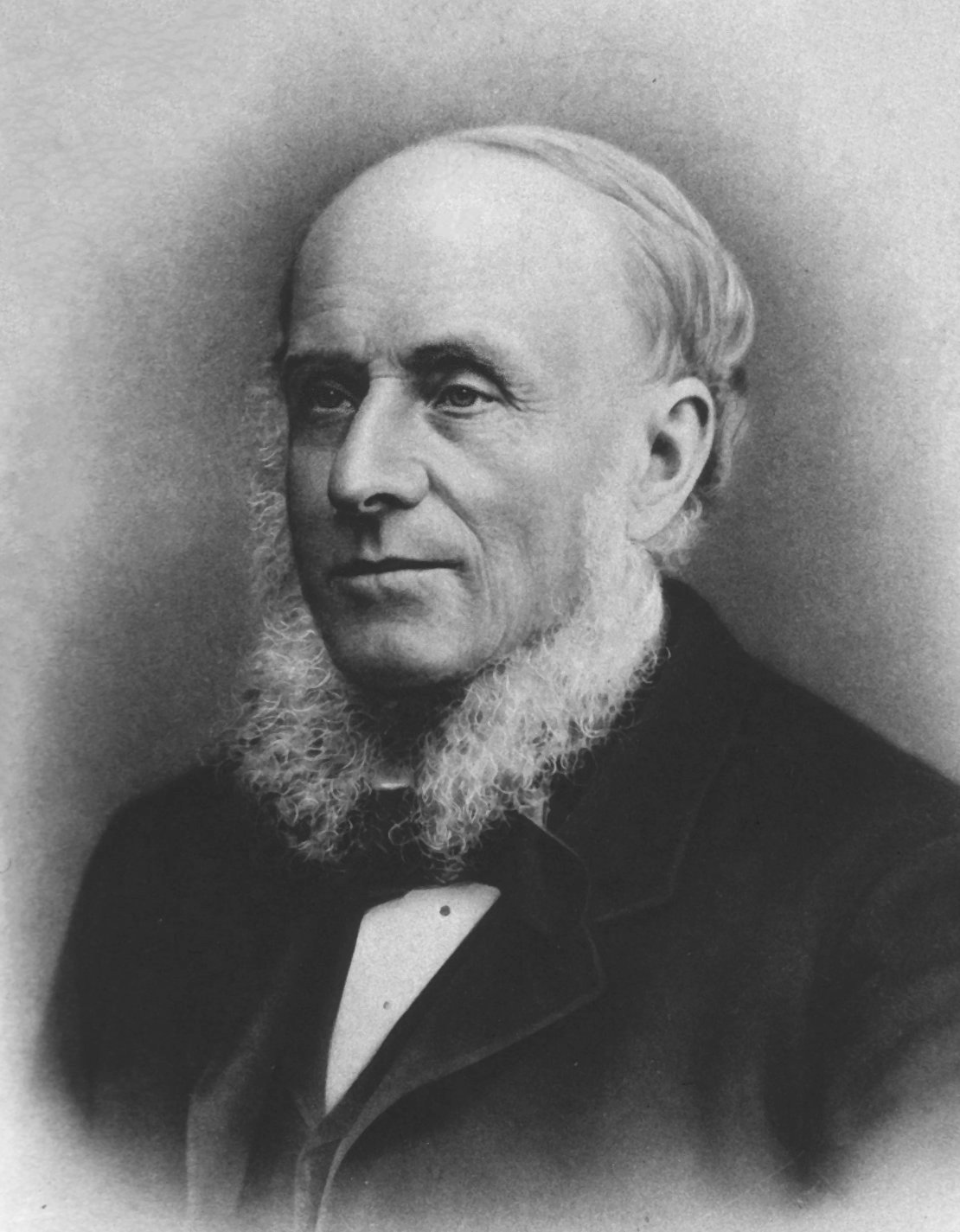
Catharine Esther Beecher
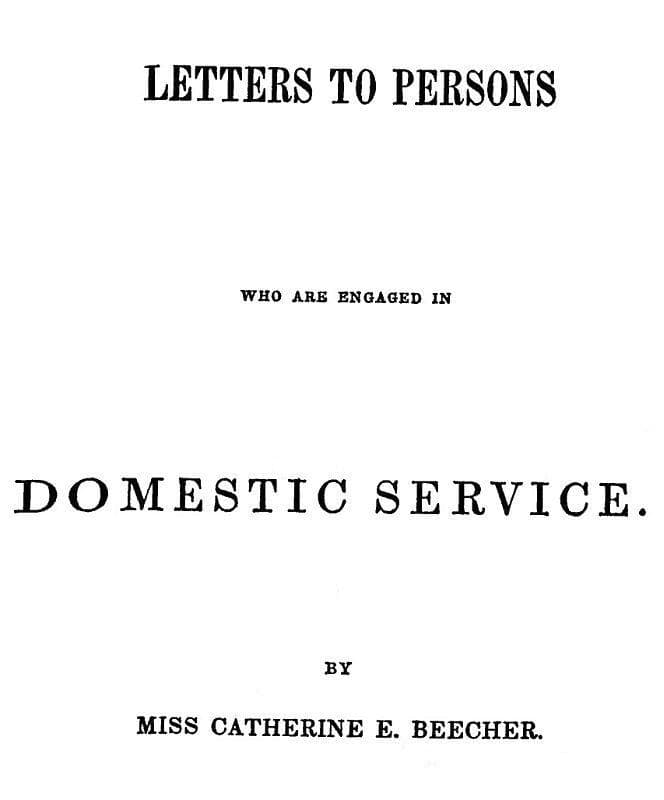
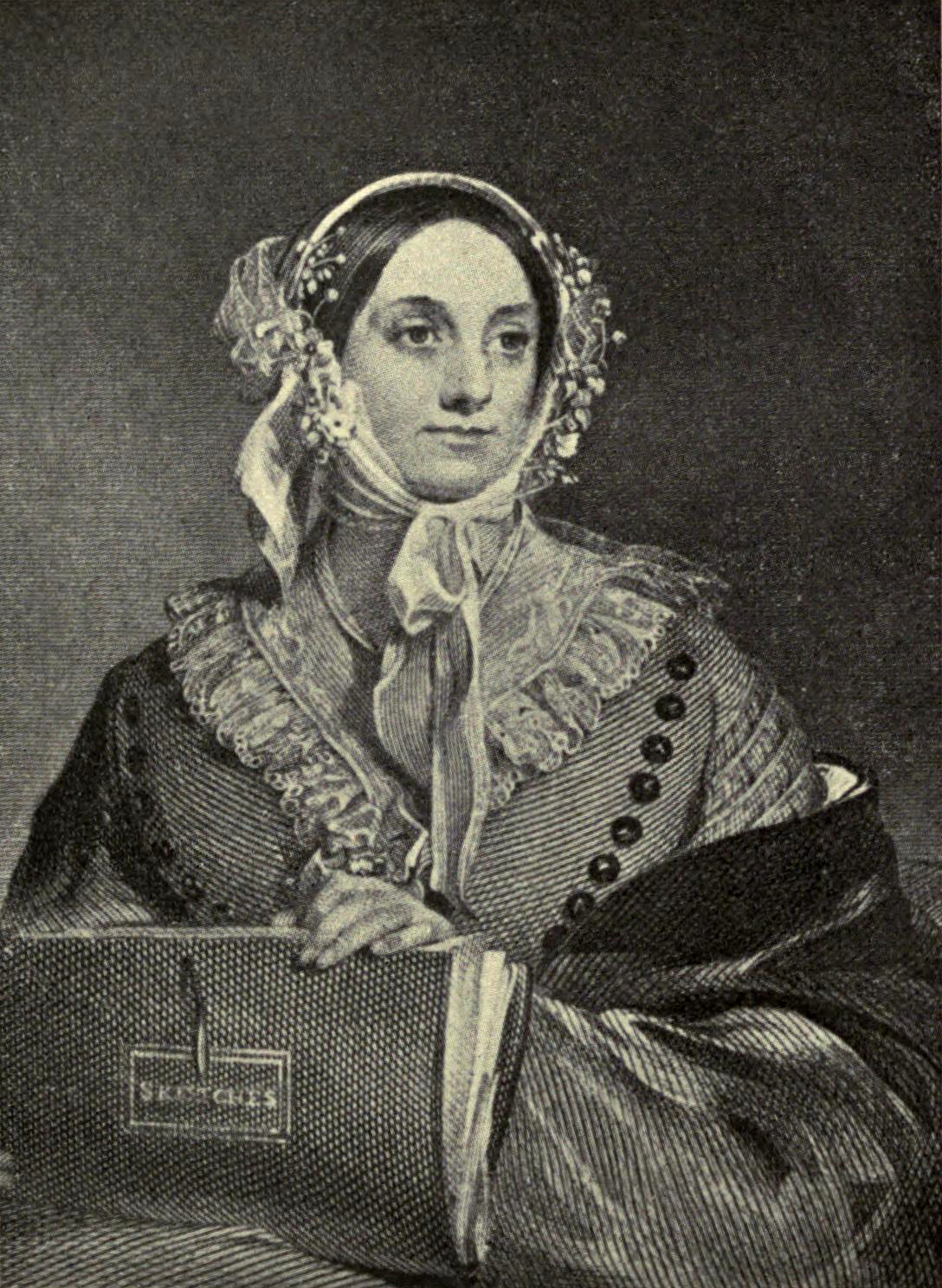
Catharine Esther Beecher was an influential American educator and writer, recognized for her strong advocacy for women's education and her innovative ideas regarding early childhood education. Born in 1800, she became a prominent figure in the 19th-century educational reform movement, arguing for the importance of teaching women and girls, not only to prepare them for their roles in the home but also to contribute to society. Beecher believed that education was essential for women to fulfill their duties as mothers and homemakers, and she championed the establishment of kindergartens as a vital component of children's education, emphasizing the need for nurturing environments in early learning. In collaboration with her sister Harriet Beecher Stowe, she co-authored the influential manual The American Woman's Home in 1869, which provided practical advice on household management and the education of children. This work reflected her belief in the domestic sphere as a critical space for women's influence and education. Beecher's writings and educational initiatives significantly shaped the discourse on women's roles in society and education, making her a key figure in the movement for women's rights and educational reform. Her legacy endures in the ongoing discussions about gender roles and the importance of early childhood education.
Famous Quotes
View all 3 quotes“Children can be very early taught...that they can hereafter find their chief happiness in giving up their will to God, and in living to do good to others, instead of living merely to please themselves.”
“It is impossible for a conscientious woman to secure that peaceful mind and cheerful enjoyment of life which all should seek, who is constantly finding her duties jarring with each other, and much remaining undone, which she feels she ought to do. In consequence of this, there will be a secret uneasiness, which will throw a shade over the whole current of life, never to be removed, till she so efficiently defines and regulates her duties that she can fulfill them...”
“There is nothing which has a more abiding influence on the happiness of a family than the preservation of equable and cheerful temper and tones in the [mother].”
Books from the author
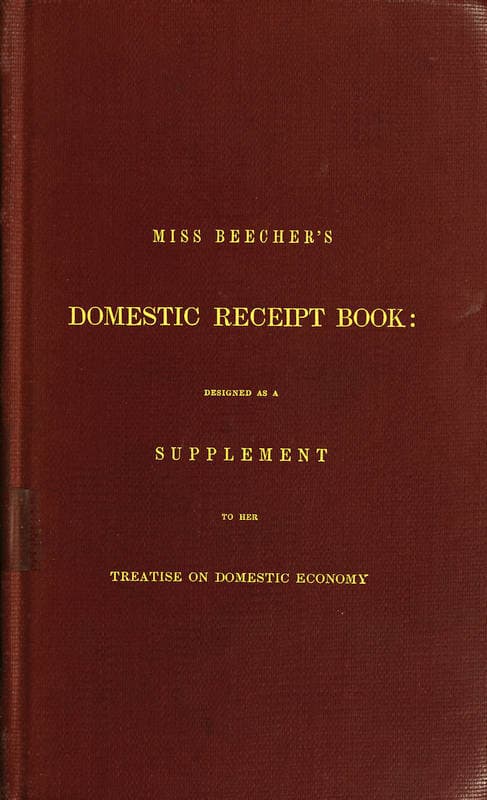

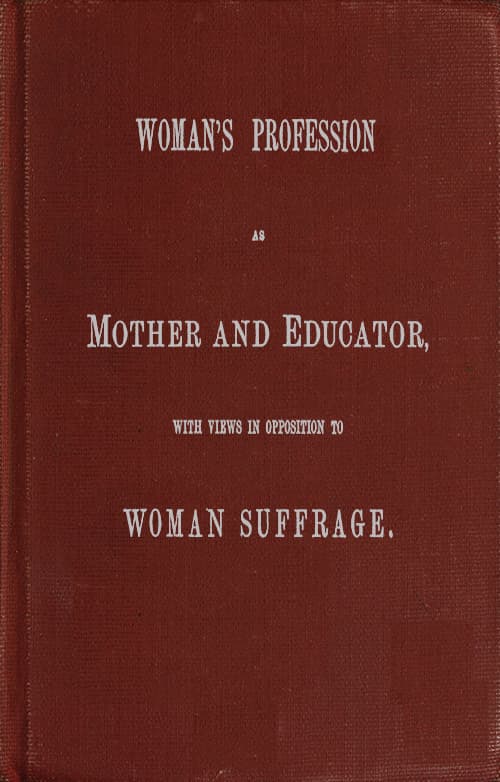
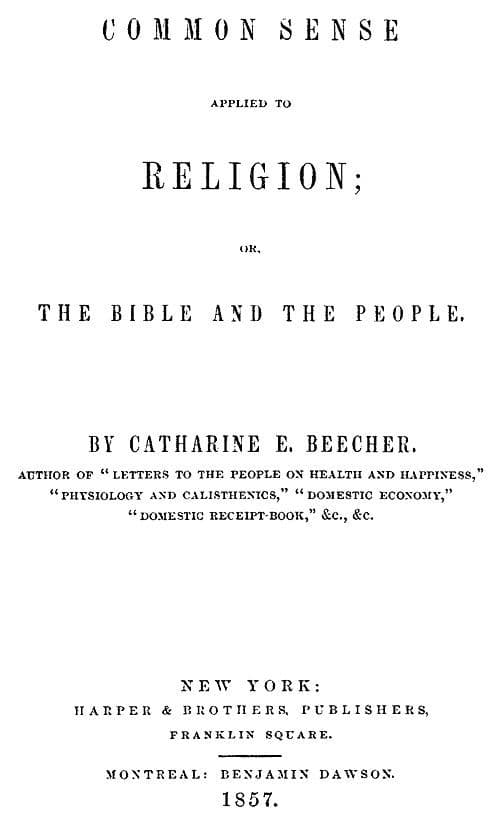





Link to this page
Add a free, dofollow link to Lex on your blog, forum, syllabus, or reading list.

<a href="https://lex-books.com/author/catharine-esther-beecher"><img src="https://lex-books.com/badges/read-on-lex.svg" alt="Catharine Esther Beecher on Lex" width="160" height="40"></a>[](https://lex-books.com/author/catharine-esther-beecher)[url=https://lex-books.com/author/catharine-esther-beecher][img]https://lex-books.com/badges/read-on-lex.svg[/img][/url]Catharine Esther Beecher on Lex: https://lex-books.com/author/catharine-esther-beecher