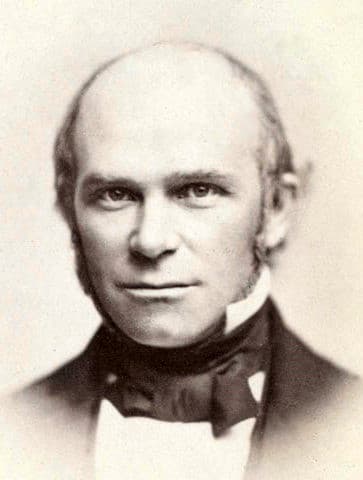
Theodore Parker
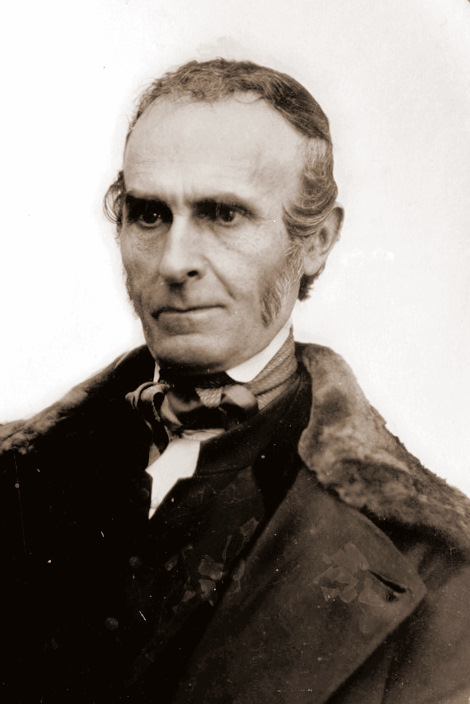
Theodore Parker was an influential American transcendentalist and a reforming minister within the Unitarian church. Born in 1810, he became a prominent voice in the abolitionist movement, advocating for the end of slavery and social reform. Parker's theological views emphasized the importance of individual conscience and the inherent goodness of humanity, which resonated deeply with the ideals of transcendentalism. His sermons and writings often challenged the status quo, and he was known for his passionate oratory and commitment to social justice. Parker's legacy is marked by his powerful influence on future leaders and thinkers. His eloquent words inspired figures such as Abraham Lincoln and Martin Luther King Jr., who drew upon his ideas in their own calls for justice and equality. Notable works include his sermons and essays that articulated a vision of a more just society, making him a significant figure in both religious and social reform movements of his time. Parker's contributions to American thought continue to be recognized for their moral courage and commitment to human rights.
Famous Quotes
View all 3 quotes“The arc of the moral universe is long, but it bends towards justice.”
“I do not pretend to understand the moral universe; the arc is a long one, my eye reaches but little ways; I cannot calculate the curve and complete the figure by the experience of sight, I can divine it by conscience. And from what I see I am sure it bends towards justice.”
“The arc of the moral universe is long, but it bends toward justice.”
Books from the author



Link to this page
Add a free, dofollow link to Lex on your blog, forum, syllabus, or reading list.

<a href="https://lex-books.com/author/theodore-parker"><img src="https://lex-books.com/badges/read-on-lex.svg" alt="Theodore Parker on Lex" width="160" height="40"></a>[](https://lex-books.com/author/theodore-parker)[url=https://lex-books.com/author/theodore-parker][img]https://lex-books.com/badges/read-on-lex.svg[/img][/url]Theodore Parker on Lex: https://lex-books.com/author/theodore-parker