The Destiny of Man, Viewed in the Light of His Origin
The Destiny of Man, Viewed in the Light of His Origin
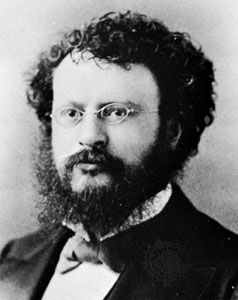
In the wake of Darwin and Copernicus, what becomes of the human soul? This is the question that animated John Fiske, the American philosopher who brought evolutionary thought to Victorian America. Written as an address for the Concord School of Philosophy, Fiske's essay confronts the vertigo of the modern age: if humanity is neither the center of the cosmos nor specially created in the traditional sense, what constitutes our significance? Fiske argues that consciousness itself, our capacity for moral evolution and self-reflection, represents evolution's most profound achievement, not merely our physical form. He contends that before we can theorize about immortality or the spiritual, we must first honestly confront our origins in nature. The result is a curious, bracing work that tries to hold science and meaning in the same hand, addressing questions we still wrestle with today: what do we owe to a universe that owes us nothing?
Editions
Link to this book
Add a free, dofollow link to Lex on your blog, forum, syllabus, or reading list.

<a href="https://lex-books.com/book/the-destiny-of-man-viewed-in-the-light-of-his-origin-3aeb172c-2ce4-4c0d-b78e-3b55fc1883eb"><img src="https://lex-books.com/badges/read-on-lex.svg" alt="Read The Destiny of Man, Viewed in the Light of His Origin by John Fiske free on Lex" width="160" height="40"></a>[](https://lex-books.com/book/the-destiny-of-man-viewed-in-the-light-of-his-origin-3aeb172c-2ce4-4c0d-b78e-3b55fc1883eb)[url=https://lex-books.com/book/the-destiny-of-man-viewed-in-the-light-of-his-origin-3aeb172c-2ce4-4c0d-b78e-3b55fc1883eb][img]https://lex-books.com/badges/read-on-lex.svg[/img][/url]Read The Destiny of Man, Viewed in the Light of His Origin by John Fiske free on Lex: https://lex-books.com/book/the-destiny-of-man-viewed-in-the-light-of-his-origin-3aeb172c-2ce4-4c0d-b78e-3b55fc1883ebCite this book
Reading this edition for a paper or guide? Copy a citation.
Fiske, John. The Destiny of Man, Viewed in the Light of His Origin. Lex, lex-books.com/book/the-destiny-of-man-viewed-in-the-light-of-his-origin-3aeb172c-2ce4-4c0d-b78e-3b55fc1883eb.Fiske, J. (n.d.). The Destiny of Man, Viewed in the Light of His Origin. Lex. https://lex-books.com/book/the-destiny-of-man-viewed-in-the-light-of-his-origin-3aeb172c-2ce4-4c0d-b78e-3b55fc1883ebFiske, John. The Destiny of Man, Viewed in the Light of His Origin. Lex. https://lex-books.com/book/the-destiny-of-man-viewed-in-the-light-of-his-origin-3aeb172c-2ce4-4c0d-b78e-3b55fc1883eb.