A Century of Science, and Other Essays
1851
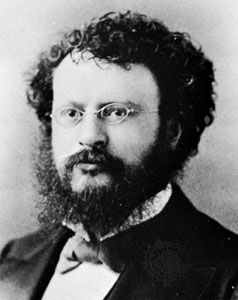
The year is 1774. Joseph Priestley isolates a gas that will unravel centuries of mistaken belief about the nature of matter itself. This is where John Fiske begins his elegant survey of the scientific transformations that reshaped human understanding in the century that followed. Fiske, the American philosopher and Darwin's most persuasive popularizer in the United States, traces the revolution from Priestley's oxygen to the emerging science of evolution. He shows chemistry shedding its alchemical skin, geology revealing the staggering depths of time, and all the while the interconnected threads of scientific inquiry drawing closer together. These are not mere recitations of facts but lively arguments for why systematic inquiry matters, why the scientific method represents humanity's best tool for understanding a complex universe. For the modern reader, Fiske offers a remarkable time capsule: a Victorian intellectual's view of the very recent past, full of the optimism and wonder of an age that believed science would unlock ever greater truths. It captures a pivotal moment when the old certainties were falling away and something new and powerful was taking their place.
Editions
X-Ray
“directions the quantity of achievement has been so marked””
— John Fiske
Link to this book
Add a free, dofollow link to Lex on your blog, forum, syllabus, or reading list.

<a href="https://lex-books.com/book/a-century-of-science-and-other-essays-04893201-c81a-4f8c-8165-50b608c55524"><img src="https://lex-books.com/badges/read-on-lex.svg" alt="Read A Century of Science, and Other Essays by John Fiske free on Lex" width="160" height="40"></a>[](https://lex-books.com/book/a-century-of-science-and-other-essays-04893201-c81a-4f8c-8165-50b608c55524)[url=https://lex-books.com/book/a-century-of-science-and-other-essays-04893201-c81a-4f8c-8165-50b608c55524][img]https://lex-books.com/badges/read-on-lex.svg[/img][/url]Read A Century of Science, and Other Essays by John Fiske free on Lex: https://lex-books.com/book/a-century-of-science-and-other-essays-04893201-c81a-4f8c-8165-50b608c55524Cite this book
Reading this edition for a paper or guide? Copy a citation.
Fiske, John. A Century of Science, and Other Essays. Lex, lex-books.com/book/a-century-of-science-and-other-essays-04893201-c81a-4f8c-8165-50b608c55524.Fiske, J. (1851). A Century of Science, and Other Essays. Lex. https://lex-books.com/book/a-century-of-science-and-other-essays-04893201-c81a-4f8c-8165-50b608c55524Fiske, John. A Century of Science, and Other Essays. Lex. https://lex-books.com/book/a-century-of-science-and-other-essays-04893201-c81a-4f8c-8165-50b608c55524.