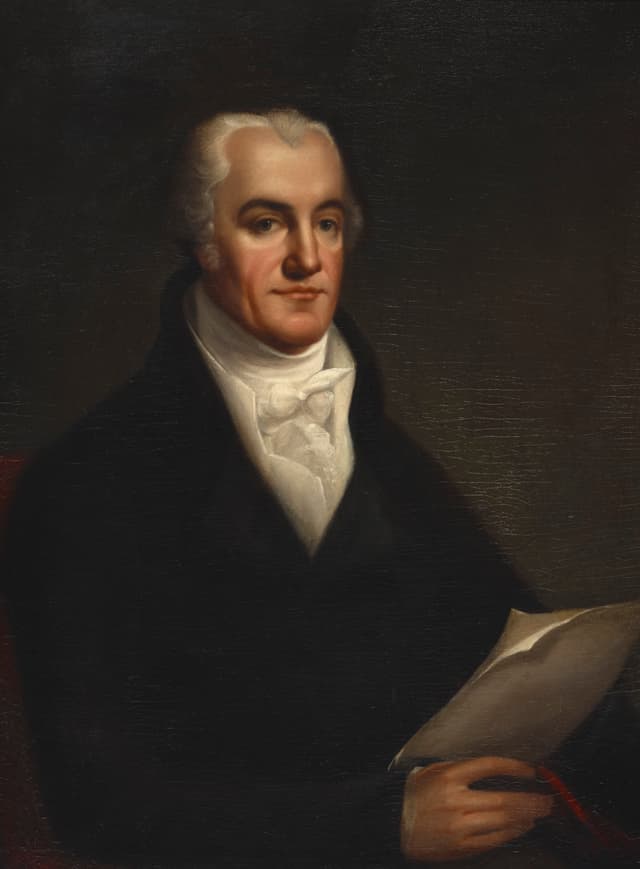
Joel Barlow
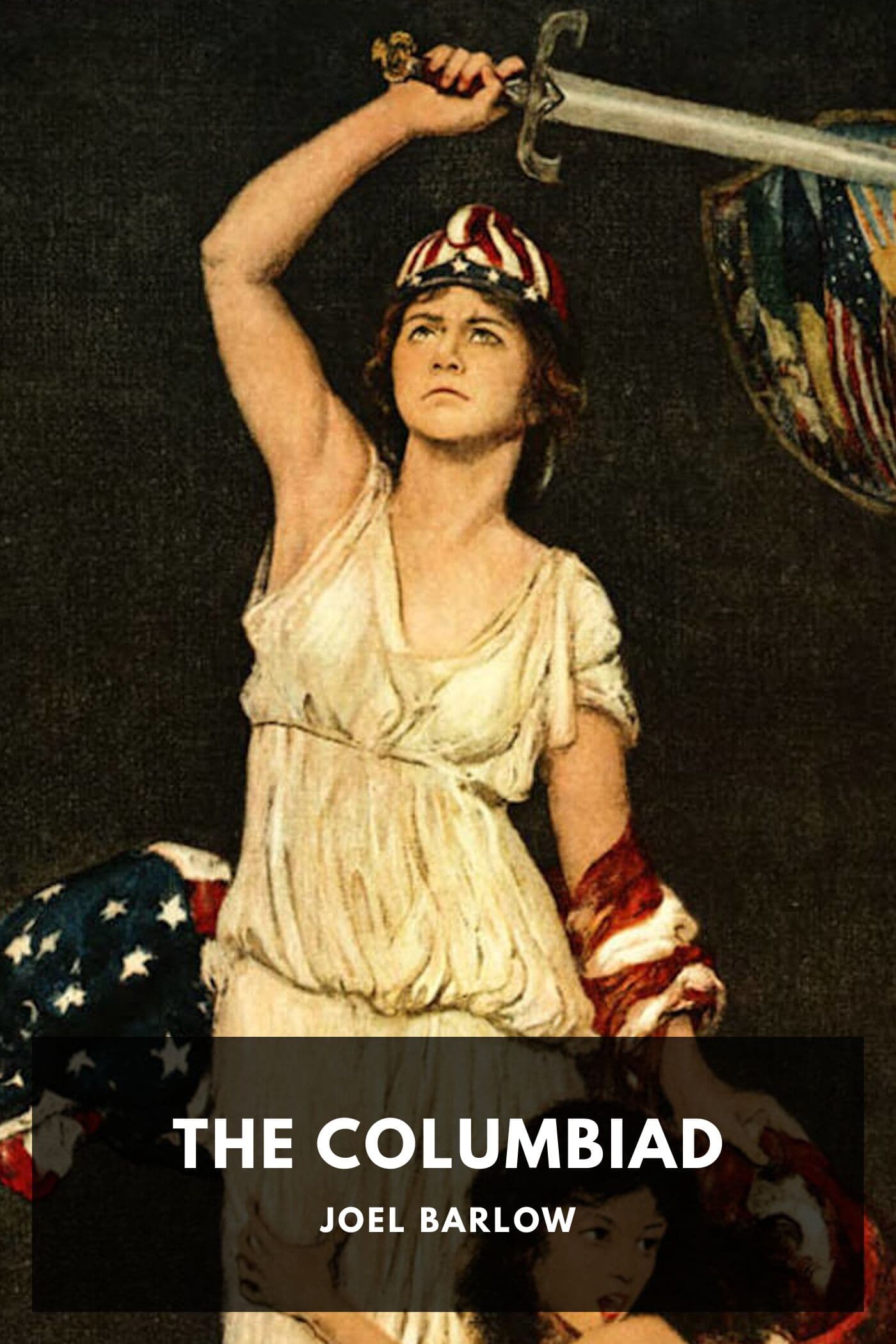
Joel Barlow was an influential American poet, diplomat, and politician whose works and political activities reflected the tumultuous changes of his time. Born in Connecticut, he became a prominent figure in the early American literary scene, known for his epic poem 'The Columbiad,' which reimagined Christopher Columbus's journey and celebrated the American spirit. His earlier work, 'The Hasty-Pudding,' is often regarded as a significant contribution to American literature, showcasing his wit and satirical style. Barlow's poetry was notable for its ambitious scope and patriotic themes, aligning with the burgeoning national identity of the United States. In addition to his literary pursuits, Barlow was deeply engaged in the political landscape of his era. A staunch supporter of the French Revolution, he embraced Jeffersonian republican ideals and even served as a member of the French Assembly after obtaining citizenship in 1792. His involvement in controversial land deals, particularly with the Scioto Company, marked a complex chapter in his life, as he navigated the intersection of politics and commerce. Despite the challenges he faced, Barlow's legacy endures through his contributions to both literature and diplomacy, reflecting the aspirations and conflicts of a young nation seeking its place in the world.
Famous Quotes
View all 3 quotes“Almighty Freedom! give my venturous song The force, the charm that to thy voice belong; Tis thine to shape my course, to light my way, To nerve my country with the patriot lay, To teach all men where all their interest lies, How rulers may be just and nations wise: Strong in thy strength I bend no suppliant knee, Invoke no miracle, no Muse but thee.”
“From slavery then your rising realms to save, Regard the master, notice not the slave; Consult alone for freemen, and bestow Your best, your only cares, to keep them so. Tyrants are never free; and, small and great, All masters must be tyrants soon or late; So nature works; and oft the lordling knave Turns out at once a tyrant and a slave, Struts, cringes, bullies, begs, as courtiers must, Makes one a god, another treads in dust, Fears all alike, and filches whom he can, But knows no equal, finds no friend in man. Ah!”
“In preparing this work for publication it seems proper to offer some observations explanatory of its design. The classical reader will perceive the obstacles which necessarily presented themselves in reconciling the nature of the subject with such a manner of treating it as should appear the most poetical, and at the same time the most likely to arrive at that degree of dignity and usefulness to which it ought to aspire.”
Books from the author

Link to this page
Add a free, dofollow link to Lex on your blog, forum, syllabus, or reading list.

<a href="https://lex-books.com/author/joel-barlow"><img src="https://lex-books.com/badges/read-on-lex.svg" alt="Joel Barlow on Lex" width="160" height="40"></a>[](https://lex-books.com/author/joel-barlow)[url=https://lex-books.com/author/joel-barlow][img]https://lex-books.com/badges/read-on-lex.svg[/img][/url]Joel Barlow on Lex: https://lex-books.com/author/joel-barlow