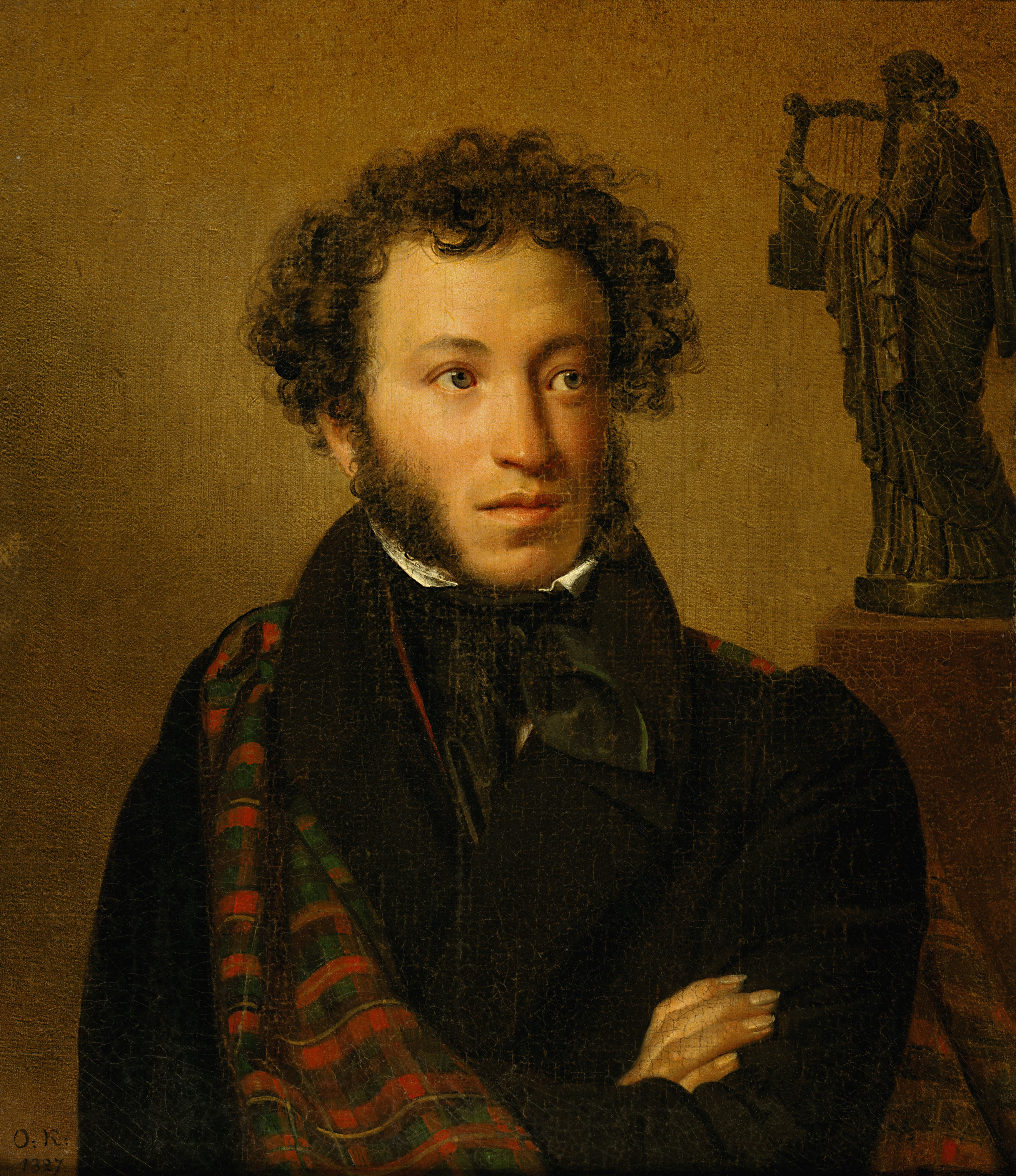
Aleksandr Sergeevich Pushkin
Aleksandr Sergeevich Pushkin was a pivotal figure in Russian literature, celebrated as the founder of modern Russian literary tradition. Born into the nobility in Moscow, he displayed prodigious talent from a young age, publishing his first poem at just 15. His early works, including the controversial 'Ode to Liberty,' garnered attention and led to his exile by Emperor Alexander I, a period during which he produced significant works such as the historical play 'Boris Godunov.' Pushkin's innovative narrative style and incorporation of Russian folklore laid the groundwork for future generations of writers. Among his most notable contributions is the novel in verse 'Eugene Onegin,' serialized between 1825 and 1832, which is often regarded as a cornerstone of Russian literature. Pushkin's exploration of themes such as love, fate, and the complexities of human emotion resonated deeply within the cultural landscape of his time. His life was tragically cut short when he was fatally wounded in a duel, a reflection of the tumultuous nature of his personal and professional life. Pushkin's legacy endures, influencing countless authors and establishing him as a symbol of Russian literary heritage.
Famous Quotes
View all 8 quotes“I've lived to bury my desiresand see my dreams corrode with rustnow all that's left are fruitless firesthat burn my empty heart to dust.Struck by the clouds of cruel fateMy crown of Summer bloom is sereAlone and sad, I watch and waitAnd wonder if the end is near.As conquered by the last cold airWhen Winter whistles in the windAlone upon a branch that's bareA trembling leaf is left behind.””
“Play interests me very much," said Hermann: "but I am not in the position to sacrifice the necessary in the hope of winning the superfluous.””
“Ljubav je kapljica nebeske rose koju nebesa kanuše u kaljužu života da mu zaslade gorkost.””
Books from the author
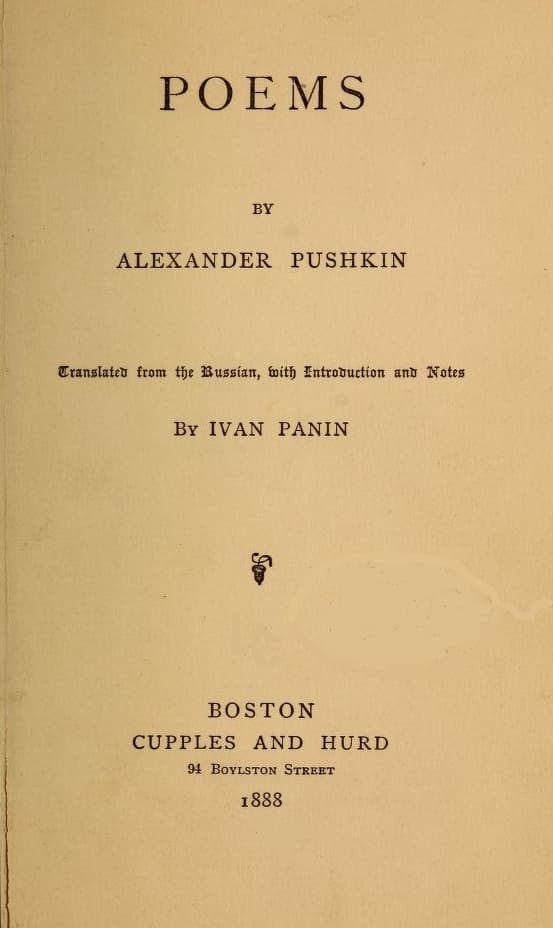

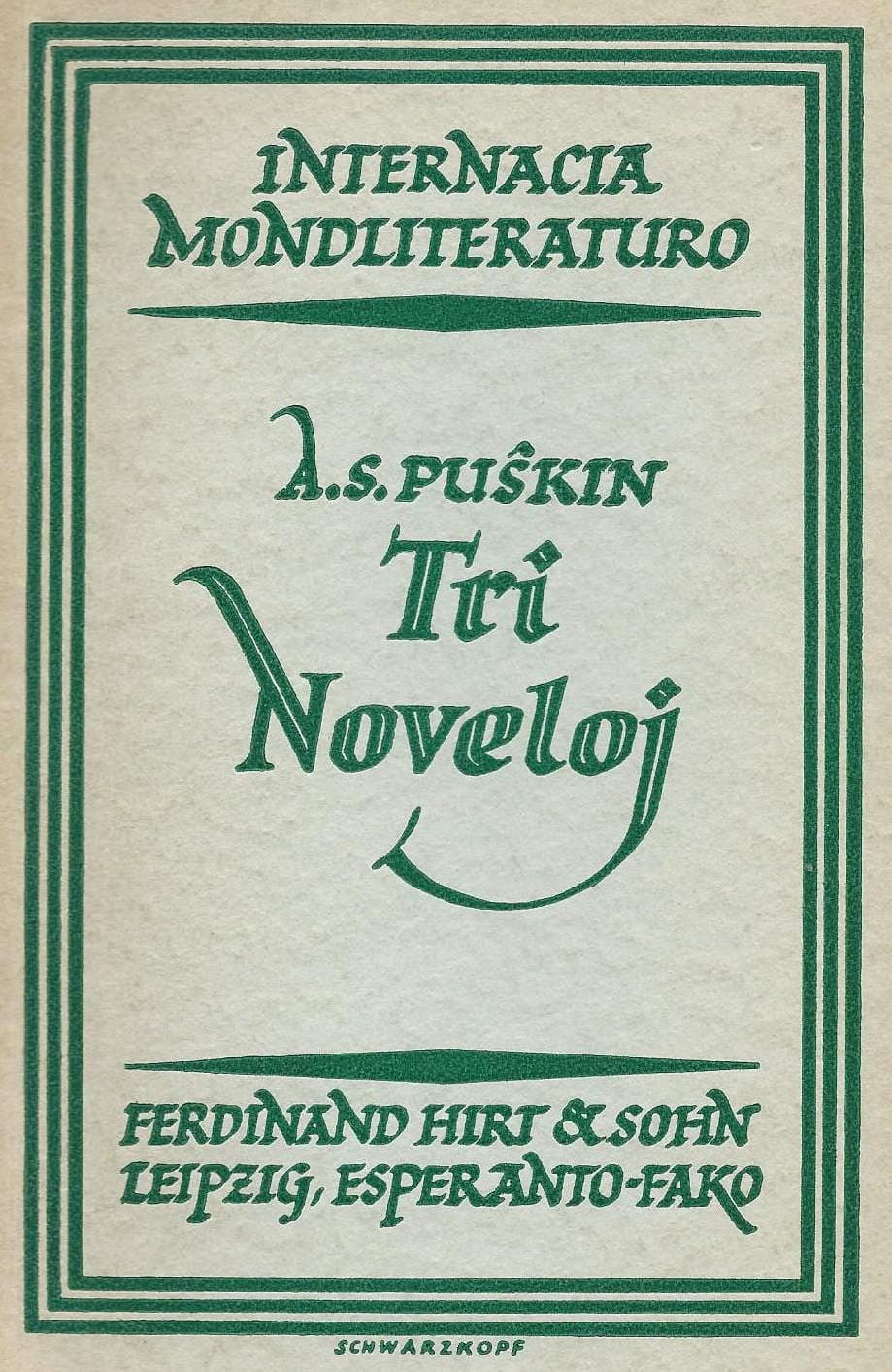

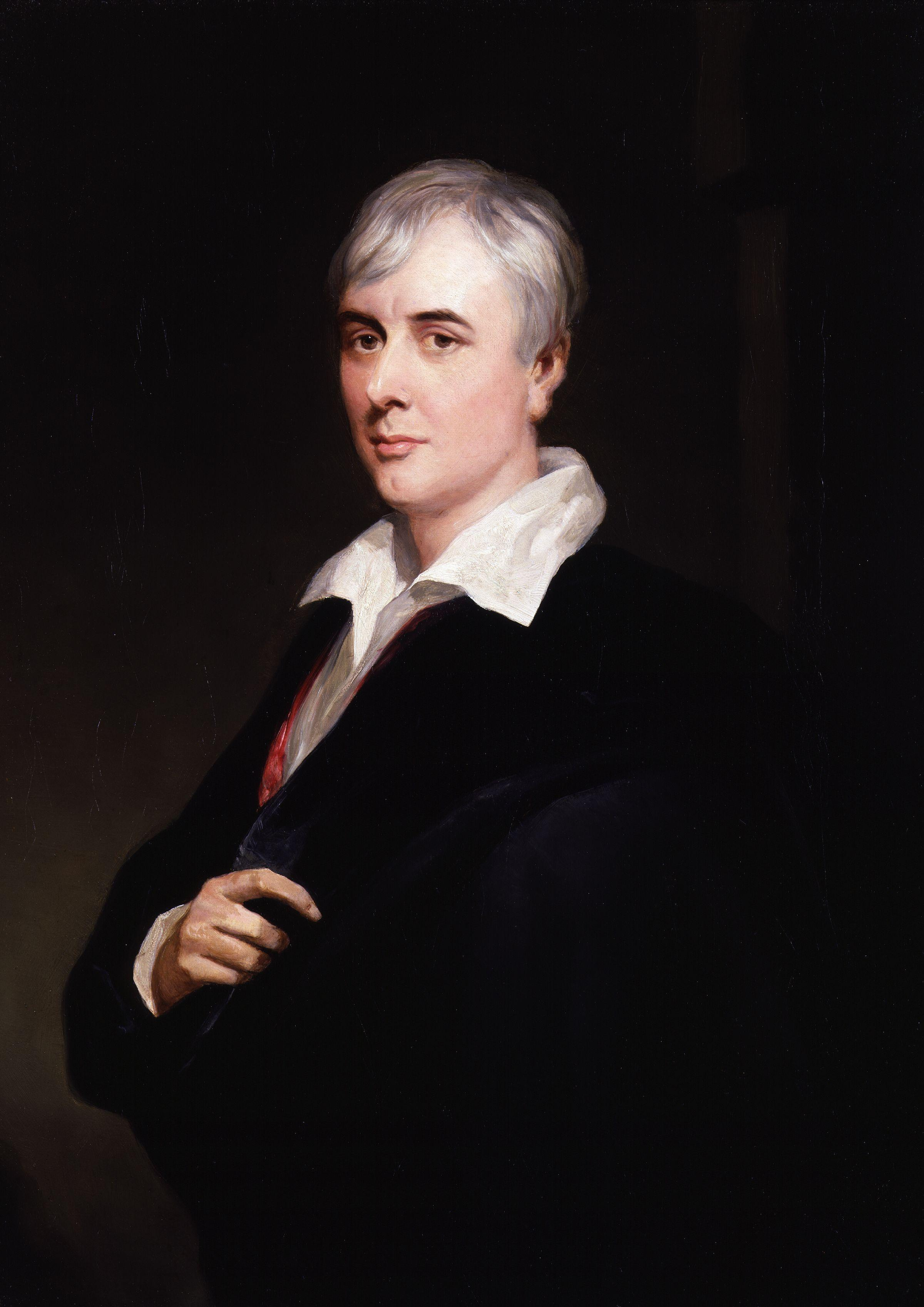
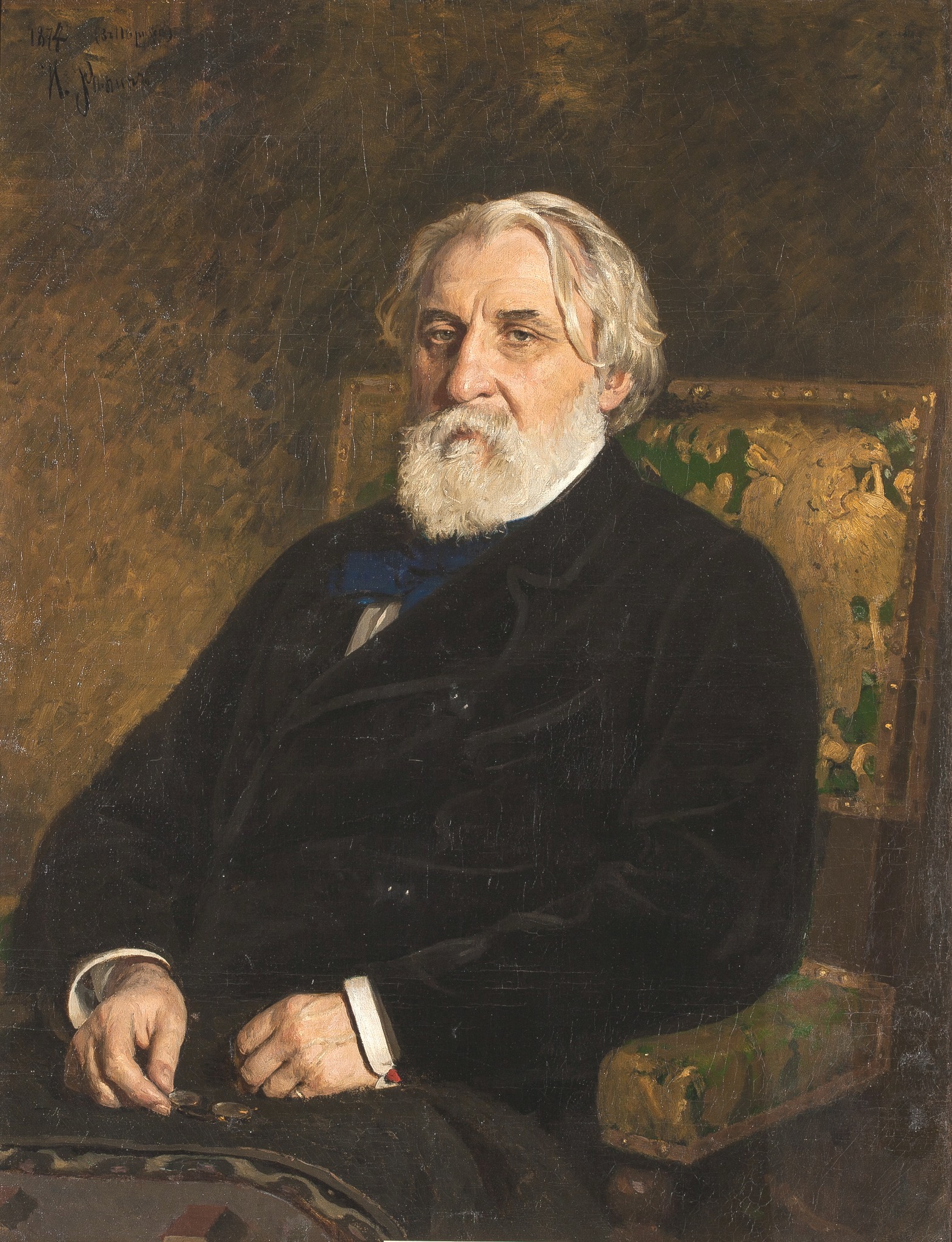

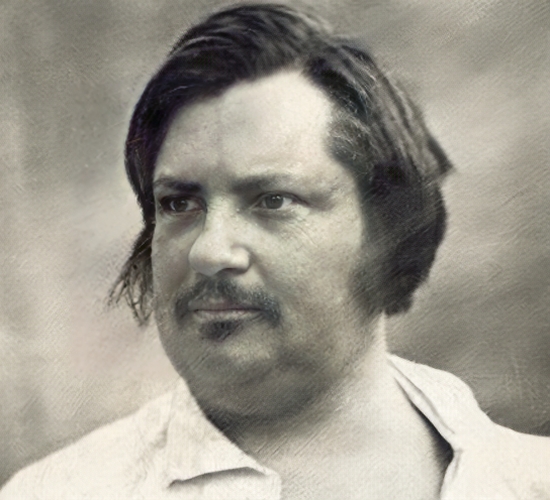

Link to this page
Add a free, dofollow link to Lex on your blog, forum, syllabus, or reading list.

<a href="https://lex-books.com/author/aleksandr-sergeevich-pushkin"><img src="https://lex-books.com/badges/read-on-lex.svg" alt="Aleksandr Sergeevich Pushkin on Lex" width="160" height="40"></a>[](https://lex-books.com/author/aleksandr-sergeevich-pushkin)[url=https://lex-books.com/author/aleksandr-sergeevich-pushkin][img]https://lex-books.com/badges/read-on-lex.svg[/img][/url]Aleksandr Sergeevich Pushkin on Lex: https://lex-books.com/author/aleksandr-sergeevich-pushkin