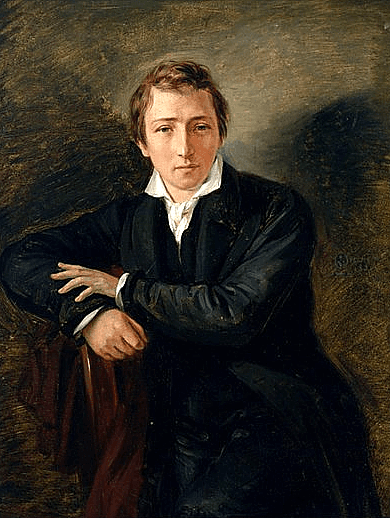
Heinrich Heine
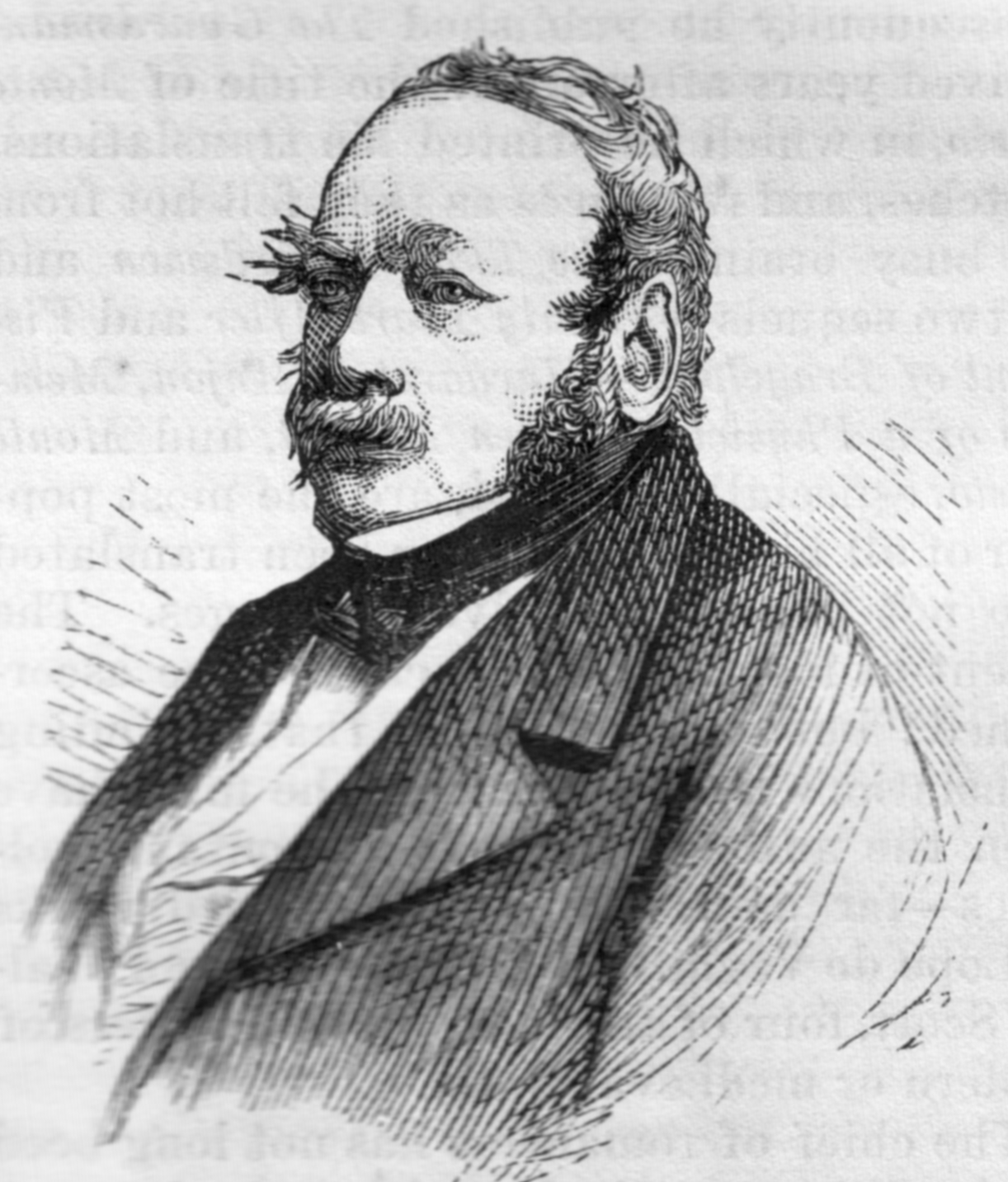
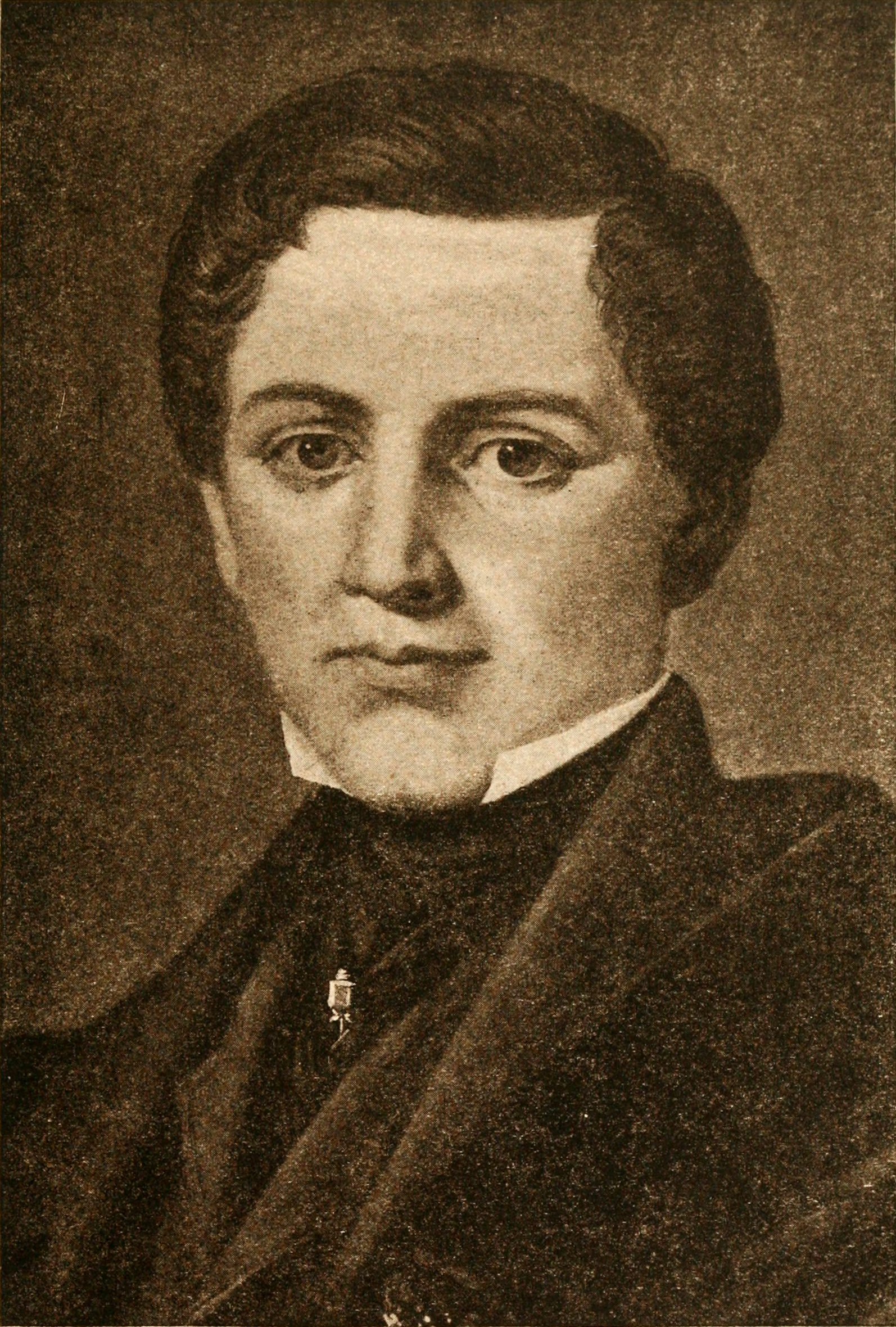
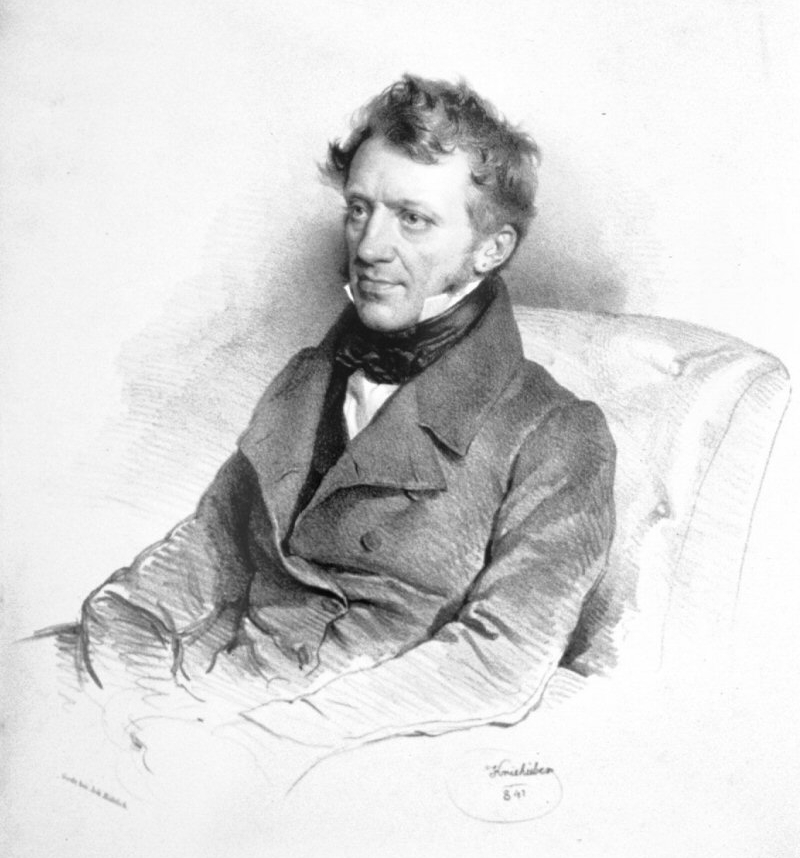
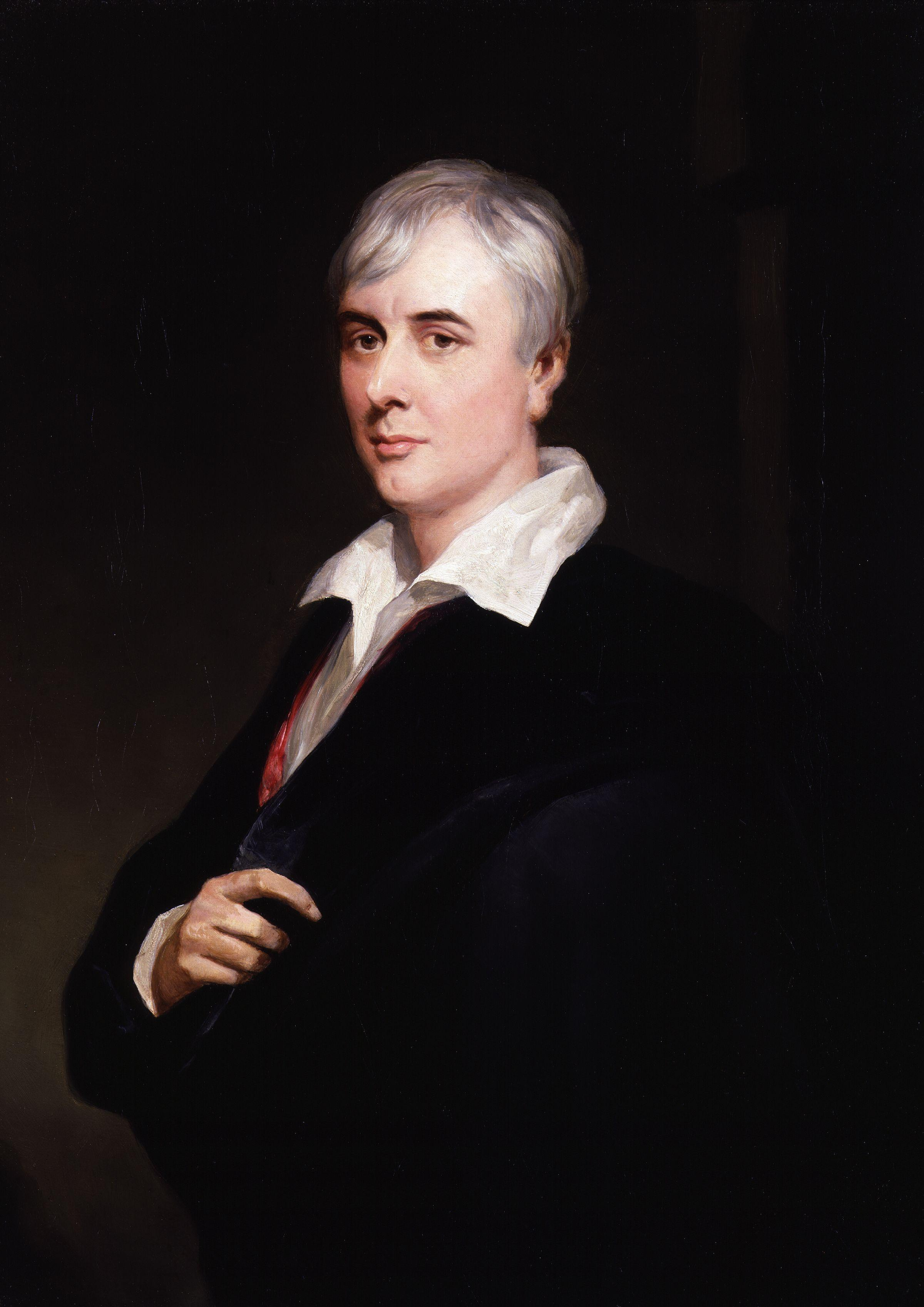
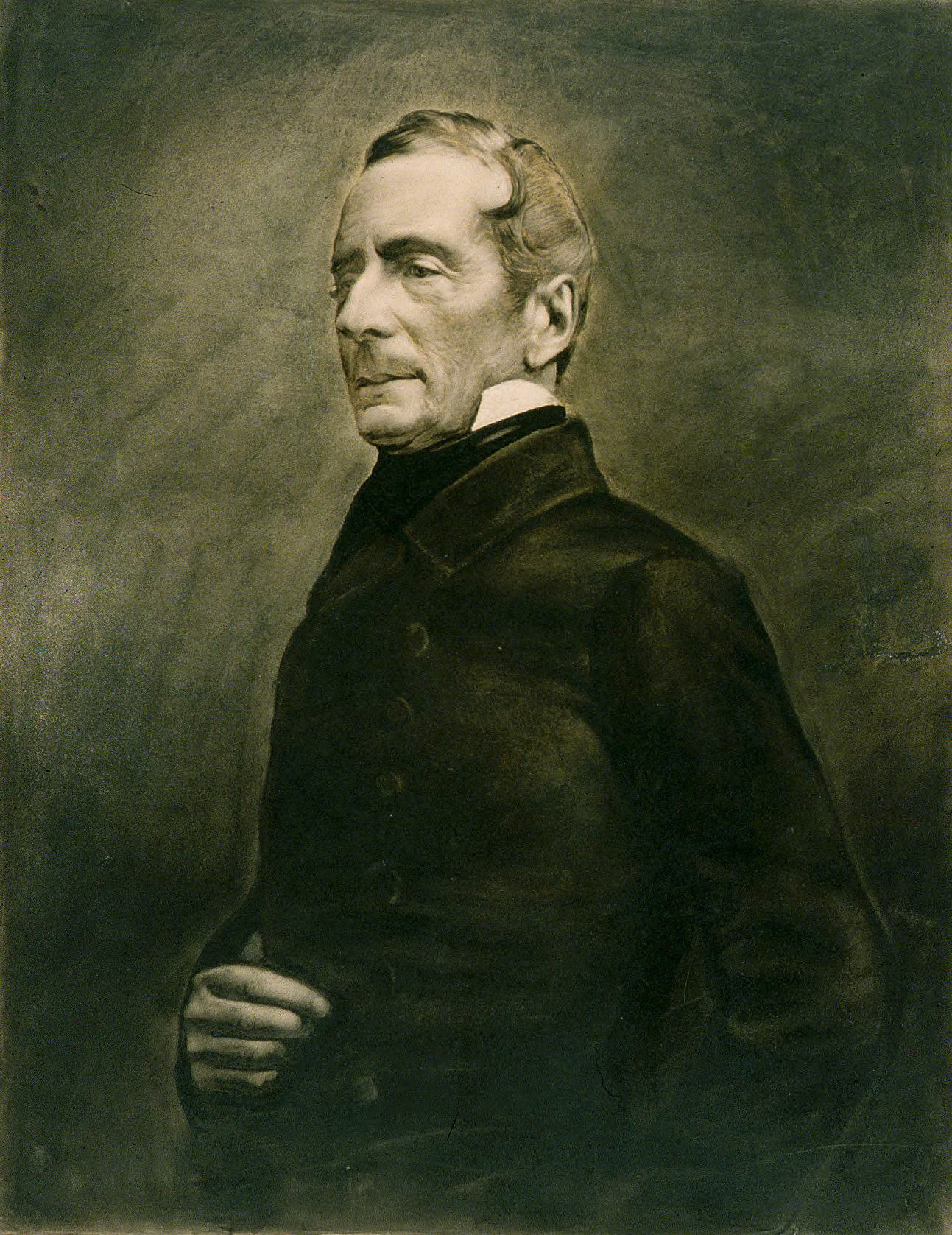
Christian Johann Heinrich Heine was a prominent German poet, writer, and literary critic whose work left a lasting impact on the literary landscape of the 19th century. Born in Düsseldorf, Heine initially gained recognition for his lyric poetry, which was famously set to music by renowned composers like Robert Schumann and Franz Schubert. His early works, characterized by their romantic themes and melodic qualities, earned him a place among the notable poets of his time. However, Heine's literary significance extends beyond his poetry; he is also remembered for his sharp satirical wit and irony, particularly evident in his later verse and prose. Heine's radical political views often put him at odds with authorities, leading to the banning of many of his works in Germany, which paradoxically increased his fame and influence. In the latter part of his life, Heine lived in Paris as an expatriate, where he became a symbol of liberal and cosmopolitan ideals. His experiences in exile shaped his perspective and further fueled his critique of societal norms and political oppression. Heine's famous phrase, "Where books burn, so do people," encapsulates his belief in the interconnectedness of literature and human rights. His involvement with the Young Germany movement positioned him as a key figure in the literary and political discourse of his time, influencing generations of writers and thinkers. Today, Heine's legacy endures, celebrated for his contributions to poetry and his fearless advocacy for freedom of expression.
Famous Quotes
View all 3 quotes“Where words leave off, music begins.”
“We should forgive our enemies, but not before they are hanged”
“Where they have burned books, they will end in burning human beings.”
Books from the author





Link to this page
Add a free, dofollow link to Lex on your blog, forum, syllabus, or reading list.

<a href="https://lex-books.com/author/heinrich-heine"><img src="https://lex-books.com/badges/read-on-lex.svg" alt="Heinrich Heine on Lex" width="160" height="40"></a>[](https://lex-books.com/author/heinrich-heine)[url=https://lex-books.com/author/heinrich-heine][img]https://lex-books.com/badges/read-on-lex.svg[/img][/url]Heinrich Heine on Lex: https://lex-books.com/author/heinrich-heine