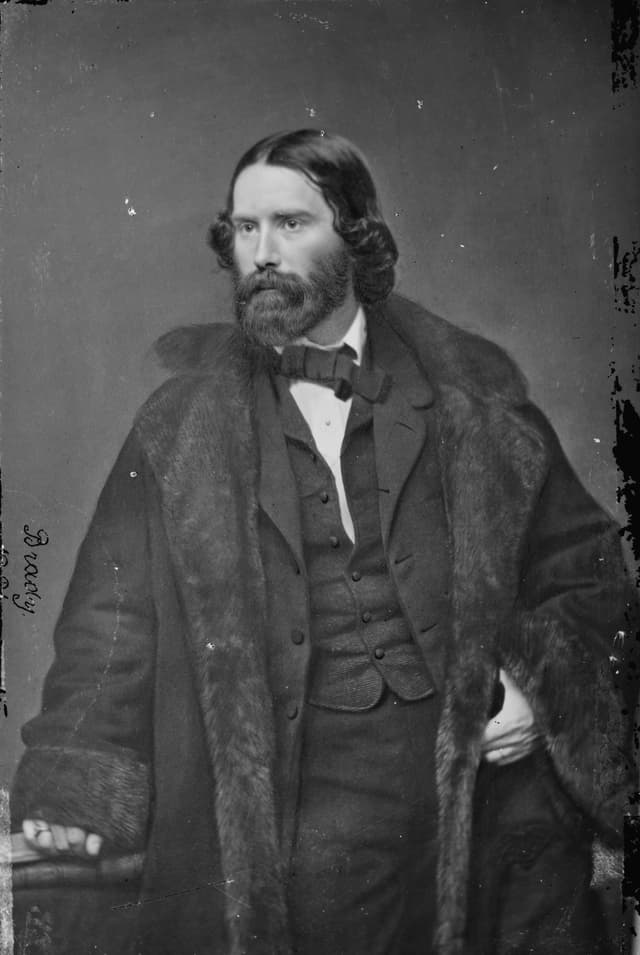
James Russell Lowell
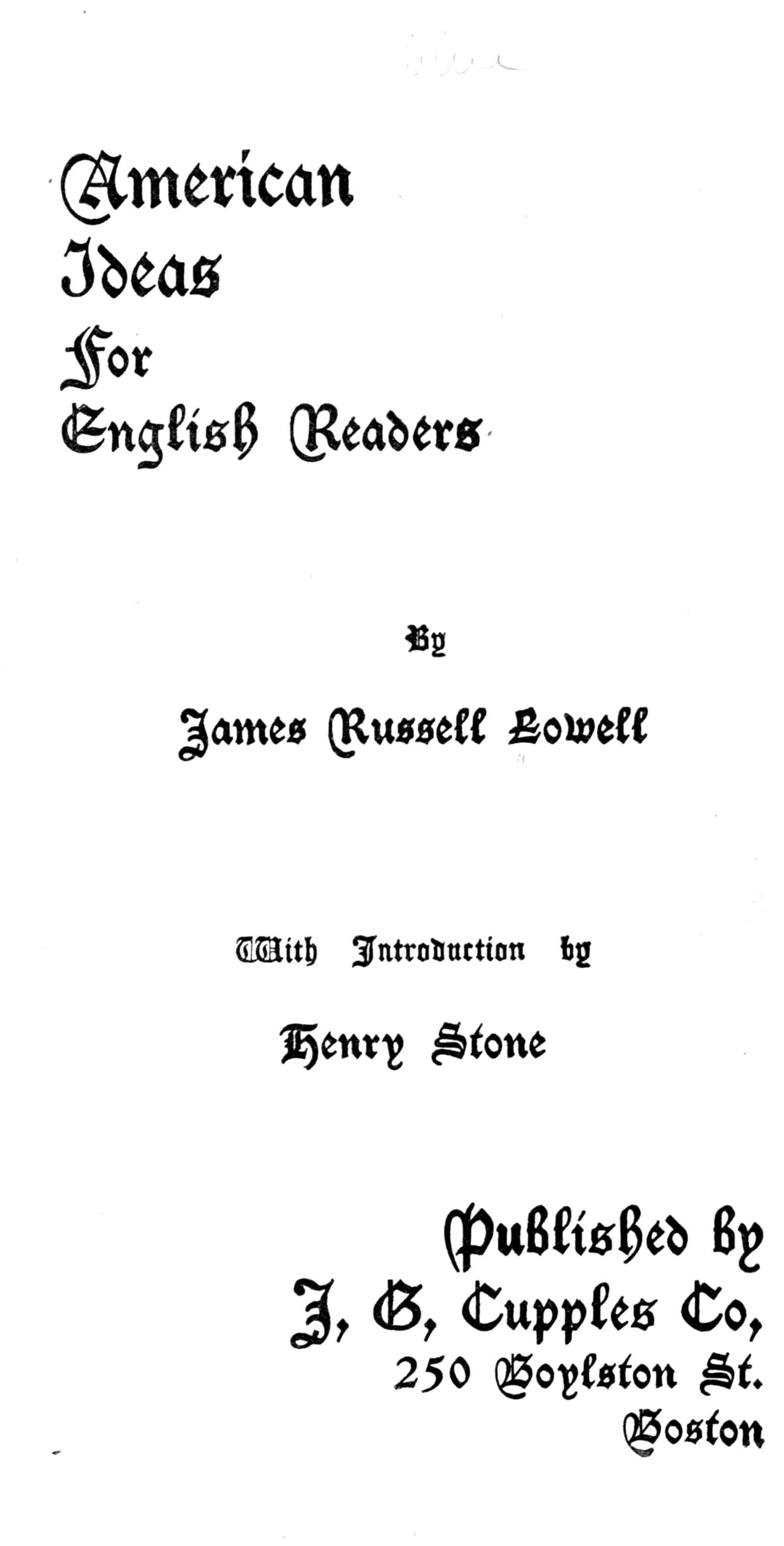
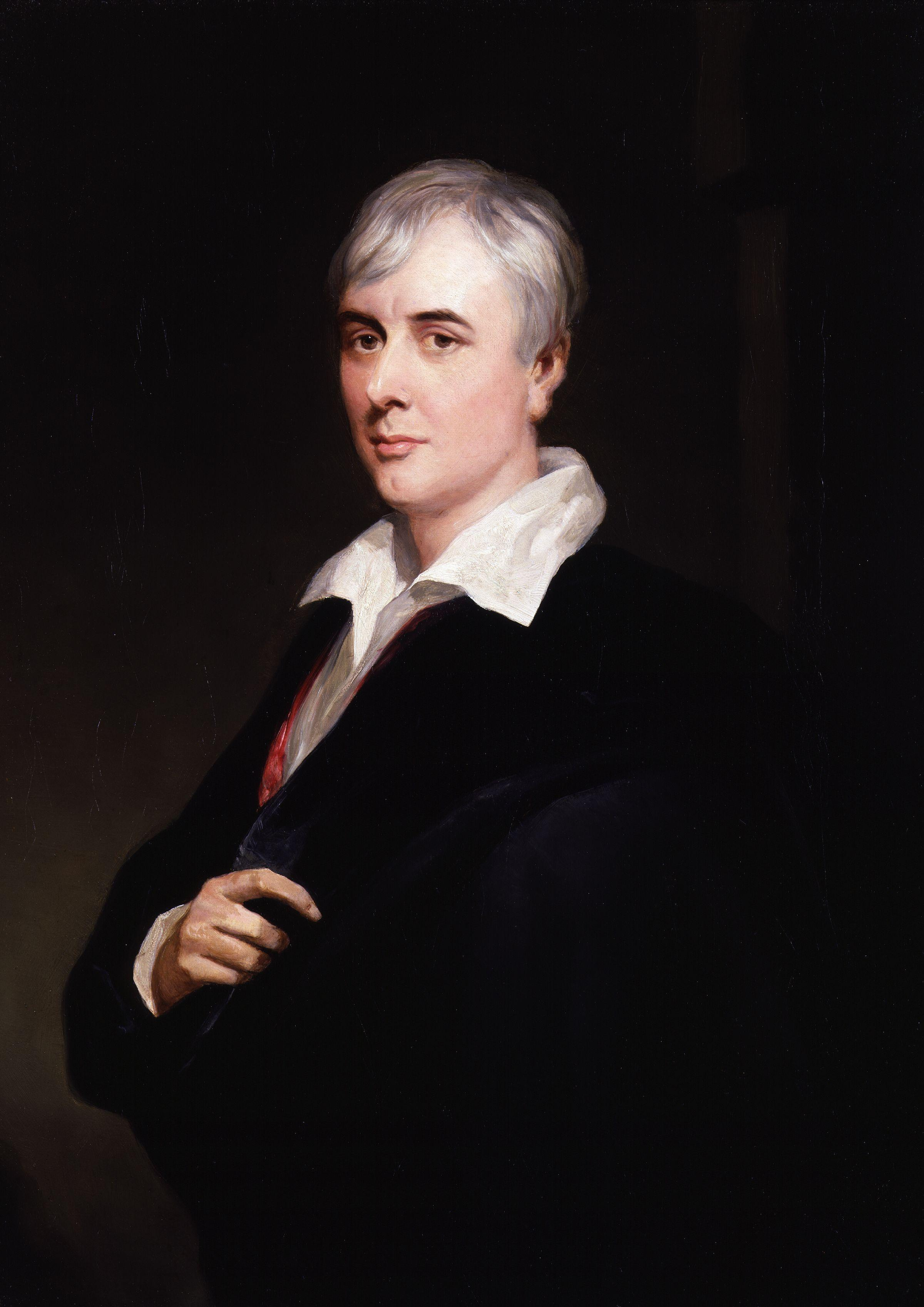
James Russell Lowell was an influential American Romantic poet, critic, editor, and diplomat, recognized as a prominent member of the fireside poets—a group of New England writers who achieved significant popularity in the 19th century. Born in 1819, he graduated from Harvard College and later earned a law degree, although his true passion lay in poetry and social reform. His literary career began with the publication of his first poetry collection in 1841, and he became a vocal advocate for the abolition of slavery, using his writing as a platform for social change. His editorial role at an abolitionist newspaper in Philadelphia further solidified his commitment to the cause. Lowell gained widespread recognition with the publication of "A Fable for Critics" in 1848, a satirical poem that critiqued his contemporaries in the literary world. This was followed by the release of "The Biglow Papers," which showcased his wit and political engagement, earning him a lasting place in American literature. Throughout his career, he published numerous poetry and essay collections, contributing significantly to literary discourse and social issues of his time. His legacy endures as a key figure in American literature, whose works reflect both the artistic and moral complexities of the era.
Famous Quotes
View all 2 quotes“Books are the bees which carry the quickening pollen from one to another mind.”
“AND what is so rare as a day in June? Then, if ever, come perfect days; Then Heaven tries earth if it be in tune, And over it softly her warm ear lays; Whether we look, or whether we listen, We hear life murmur, or see it glisten;”
Books from the author


Link to this page
Add a free, dofollow link to Lex on your blog, forum, syllabus, or reading list.

<a href="https://lex-books.com/author/james-russell-lowell"><img src="https://lex-books.com/badges/read-on-lex.svg" alt="James Russell Lowell on Lex" width="160" height="40"></a>[](https://lex-books.com/author/james-russell-lowell)[url=https://lex-books.com/author/james-russell-lowell][img]https://lex-books.com/badges/read-on-lex.svg[/img][/url]James Russell Lowell on Lex: https://lex-books.com/author/james-russell-lowell