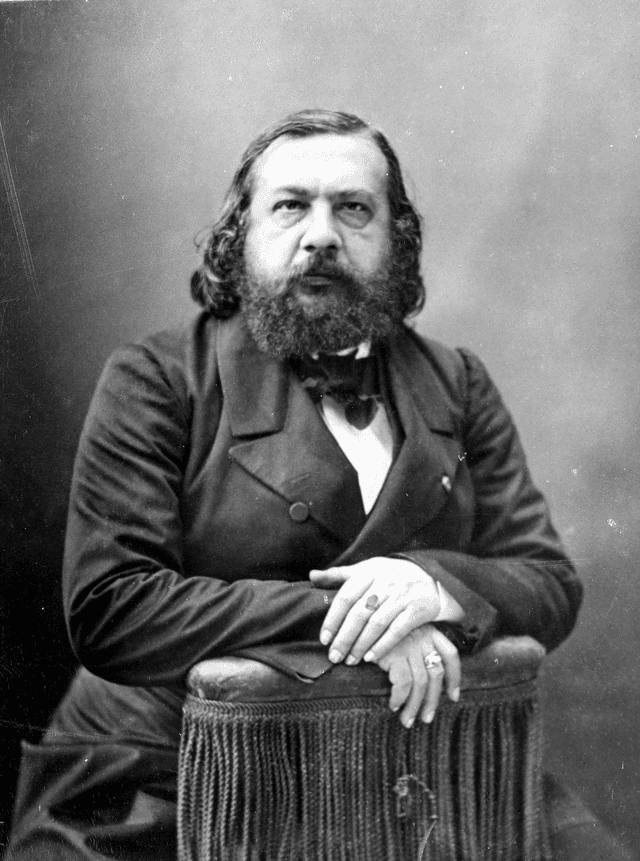
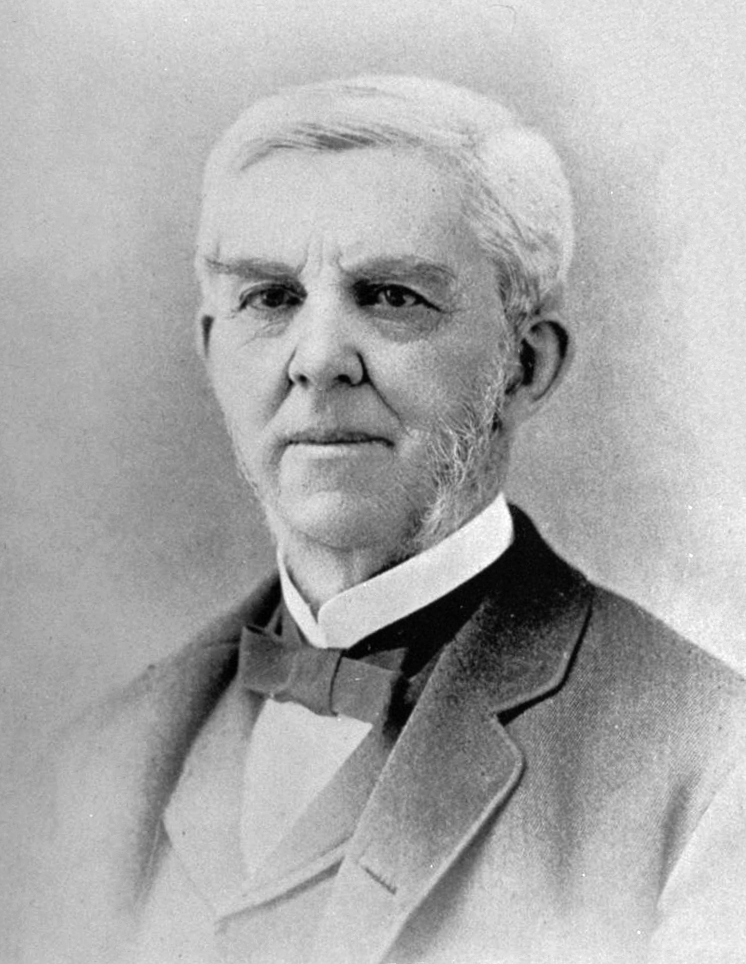
Théophile Gautier
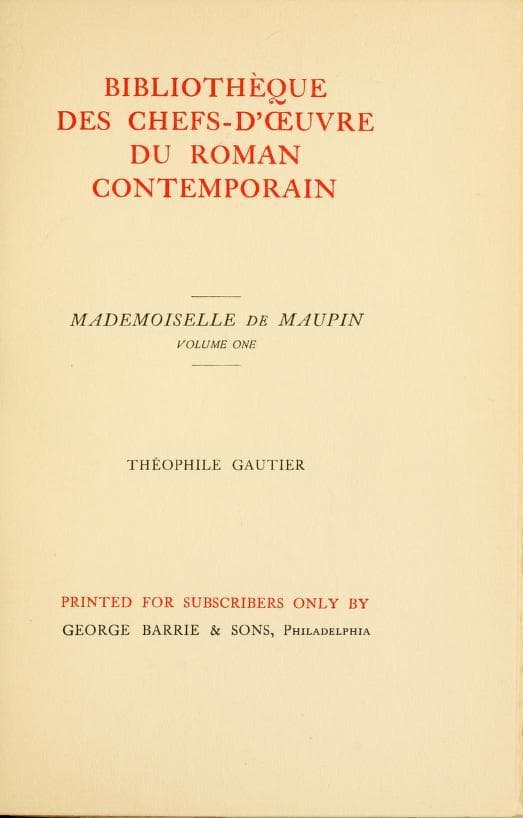
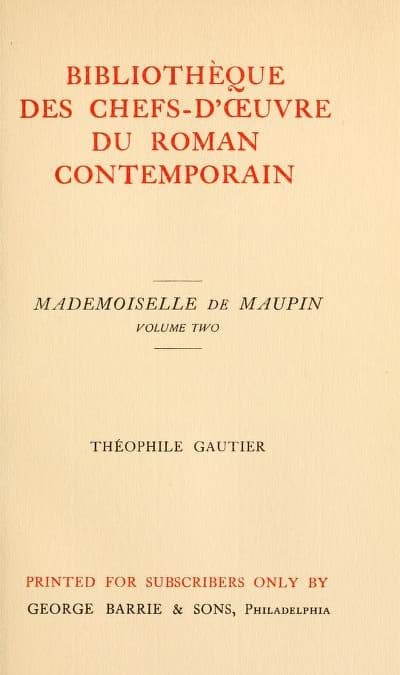
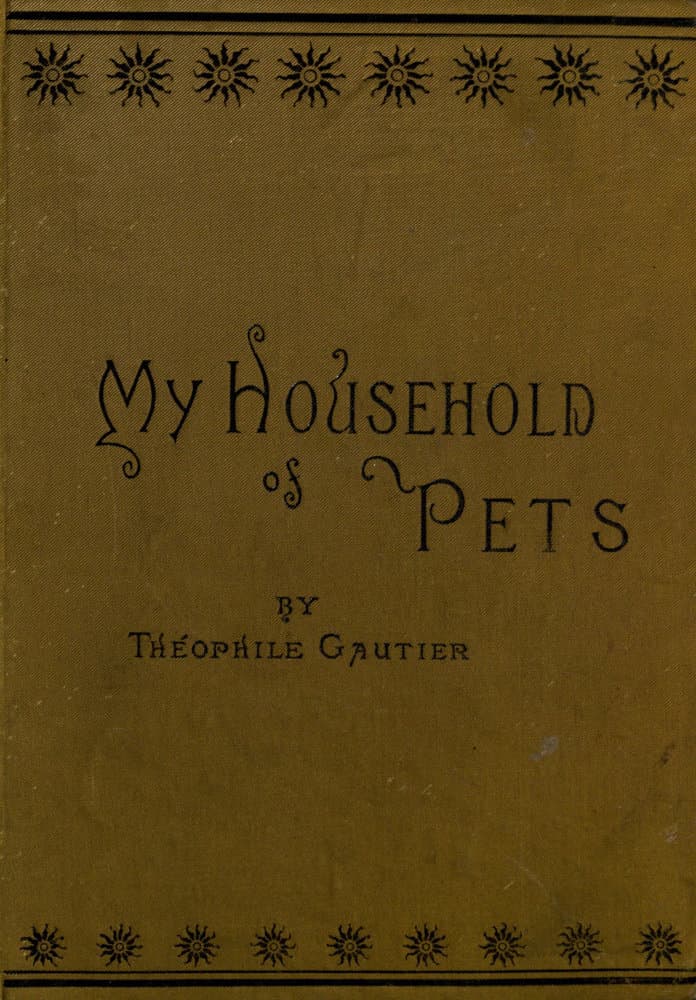
Théophile Gautier was a prominent French poet, novelist, and critic, known for his influential role in the literary movement of Romanticism. Born in Tarbes, he moved to Paris, where he became immersed in the vibrant cultural scene of the time. Gautier's literary career began with poetry, and he quickly gained recognition for his vivid imagery and exploration of beauty, particularly in works such as 'Emaux et Camées' and 'La Comédie de la Mort.' His writing often celebrated the aesthetic experience, reflecting his belief that art should be appreciated for its beauty rather than its moral or social implications. In addition to poetry, Gautier made significant contributions to drama and prose, with notable works including the novel 'Mademoiselle de Maupin,' which challenged contemporary gender norms and explored themes of identity and desire. As a critic, he championed the works of other artists and writers, advocating for the importance of artistic freedom. Gautier's legacy lies in his ability to bridge Romanticism and the emerging Symbolist movement, influencing generations of writers and artists. His emphasis on the aesthetic experience and the role of the artist in society cemented his place in the canon of French literature.
Famous Quotes
View all 19 quotes“Chance is perhaps the pseudonym of God when he does not want to sign.””
“To love is to admire with the heart; to admire is to love with the mind.””
“Although it was only six o'clock, the night was already dark. The fog, made thicker by its proximity to the Seine, blurred every detail with its ragged veils, punctured at various distances by the reddish glow of lanterns and bars of light escaping from illuminated windows. The road was soaked with rain and glittered under the street-lamps, like a lake reflecting strings of lights. A bitter wind, heavy with icy particles, whipped at my face, its howling forming the high notes of a symphony whose bass was played by swollen waves crashing into the piers of the bridges below. The evening lacked none of winter's rough poetry.””
Books from the author

Link to this page
Add a free, dofollow link to Lex on your blog, forum, syllabus, or reading list.

<a href="https://lex-books.com/author/théophile-gautier"><img src="https://lex-books.com/badges/read-on-lex.svg" alt="Théophile Gautier on Lex" width="160" height="40"></a>[](https://lex-books.com/author/théophile-gautier)[url=https://lex-books.com/author/théophile-gautier][img]https://lex-books.com/badges/read-on-lex.svg[/img][/url]Théophile Gautier on Lex: https://lex-books.com/author/théophile-gautier