
Henry Constable
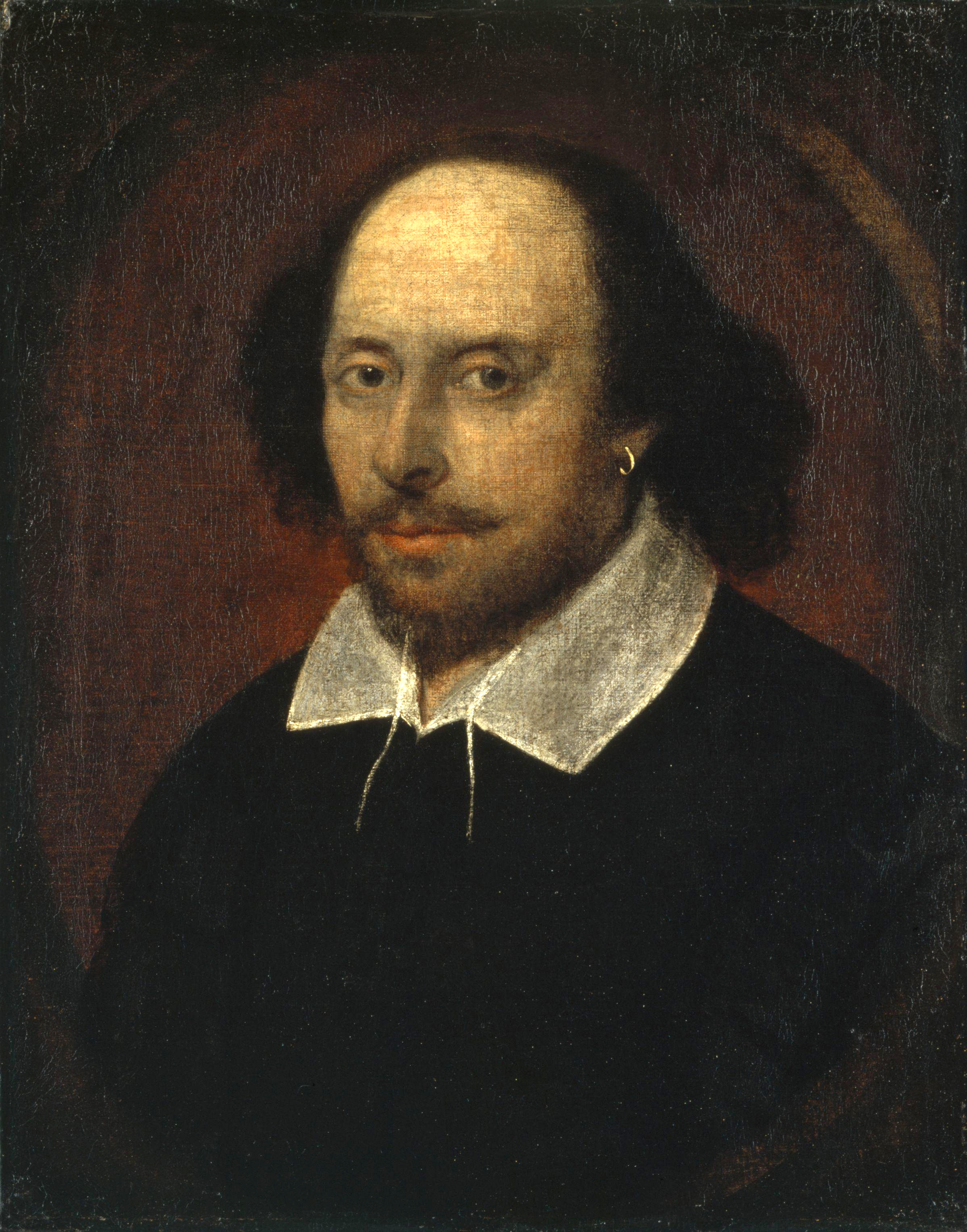
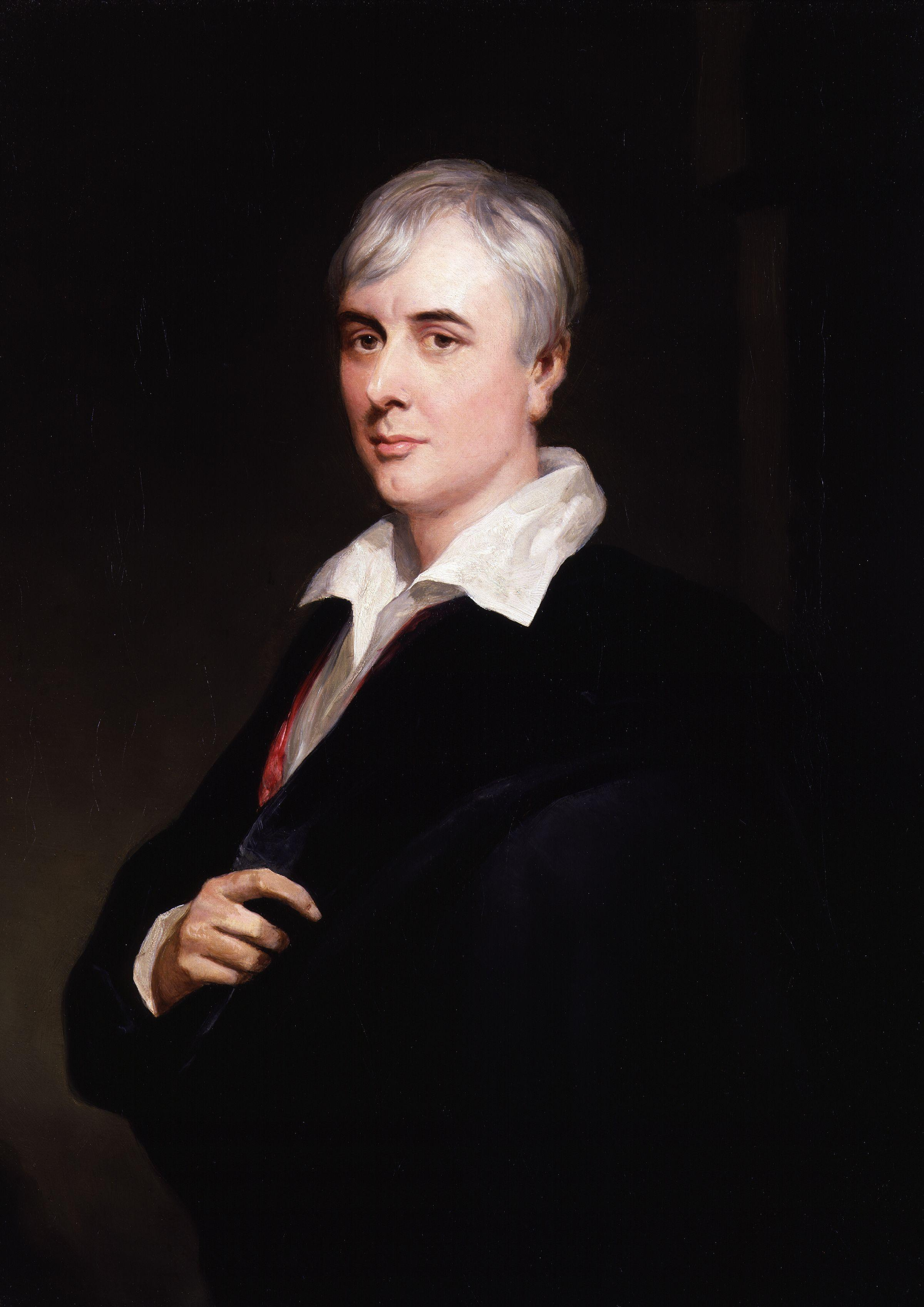
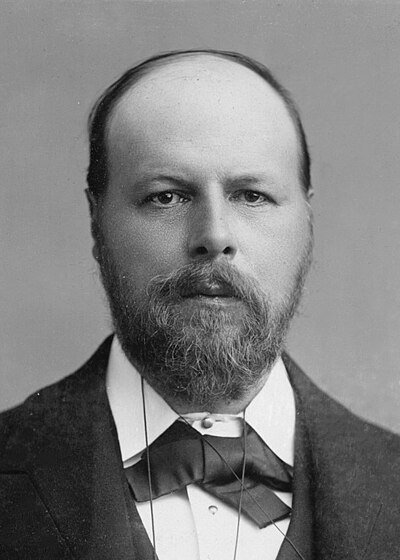
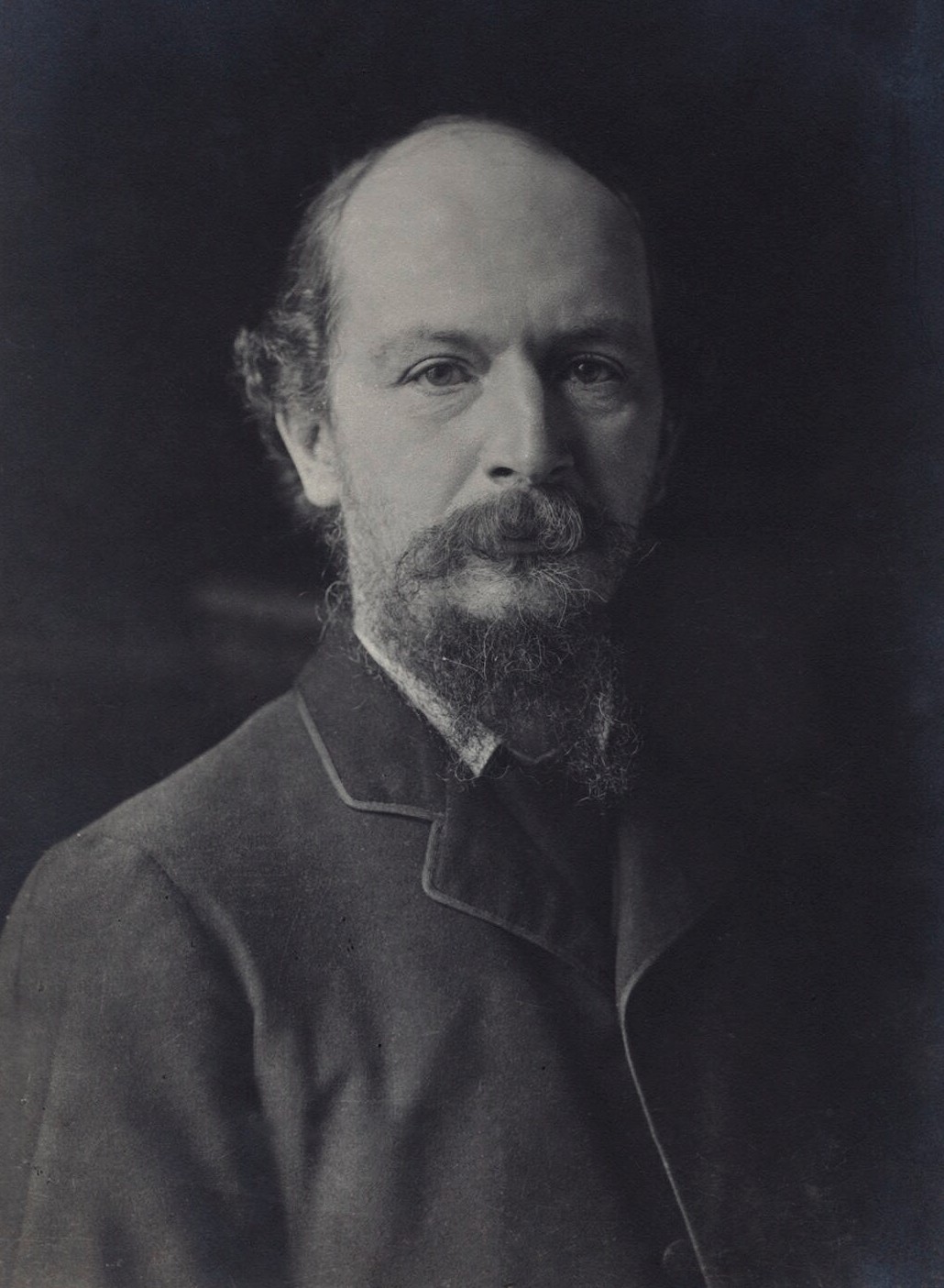
Henry Constable was an English poet renowned for his significant contributions to the sonnet form, particularly through his work 'Diana,' which is considered one of the earliest English sonnet sequences. His poetry is marked by its lyrical beauty and exploration of themes such as love and devotion, reflecting the influence of Italian Renaissance poets. Constable's conversion to Catholicism in 1591 led to a life of exile, as he faced persecution for his beliefs during a time of religious turmoil in England. This period of his life profoundly impacted his writing, infusing it with a sense of longing and melancholy. After returning to England with the accession of King James I, Constable's fortunes changed dramatically when he was imprisoned in the Tower of London and later in the Fleet Prison. Despite these challenges, his literary legacy endured, influencing subsequent generations of poets. Constable's work is notable not only for its artistic merit but also for its reflection of the complex socio-political landscape of his time. He ultimately died in exile in Liège in 1613, leaving behind a body of work that continues to be studied for its innovative approach to the sonnet form and its emotional depth.
Famous Quotes
View all 3 quotes“The mass of men serve the state thus, not as men mainly, but as machines, with their bodies. They are the standing army, and the militia, jailers, constables, posse comitatus, etc. In most cases there is no free exercise whatever of the judgement or of the moral sense; but they put themselves on a level with wood and earth and stones; and wooden men can perhaps be manufactured that will serve the purpose as well. Such command no more respect than men of straw or a lump of dirt. They have the same sort of worth only as horses and dogs. Yet such as these even are commonly esteemed good citizens. Others--as most legislators, politicians, lawyers, ministers, and office-holders--serve the state chiefly with their heads; and, as they rarely make any moral distinctions, they are as likely to serve the devil, without intending it, as God.””
“(45) We will appoint as justices, constables, sheriffs, or other officials, only men that know the law of the realm and are minded to keep it well.””
“Oh, 'twas not I who called the constable! I am but a young woman of nine and twenty, not a crotchety old spinster who loathes laughter, fun, song, and dance!””
Books from the author

Link to this page
Add a free, dofollow link to Lex on your blog, forum, syllabus, or reading list.

<a href="https://lex-books.com/author/henry-constable"><img src="https://lex-books.com/badges/read-on-lex.svg" alt="Henry Constable on Lex" width="160" height="40"></a>[](https://lex-books.com/author/henry-constable)[url=https://lex-books.com/author/henry-constable][img]https://lex-books.com/badges/read-on-lex.svg[/img][/url]Henry Constable on Lex: https://lex-books.com/author/henry-constable