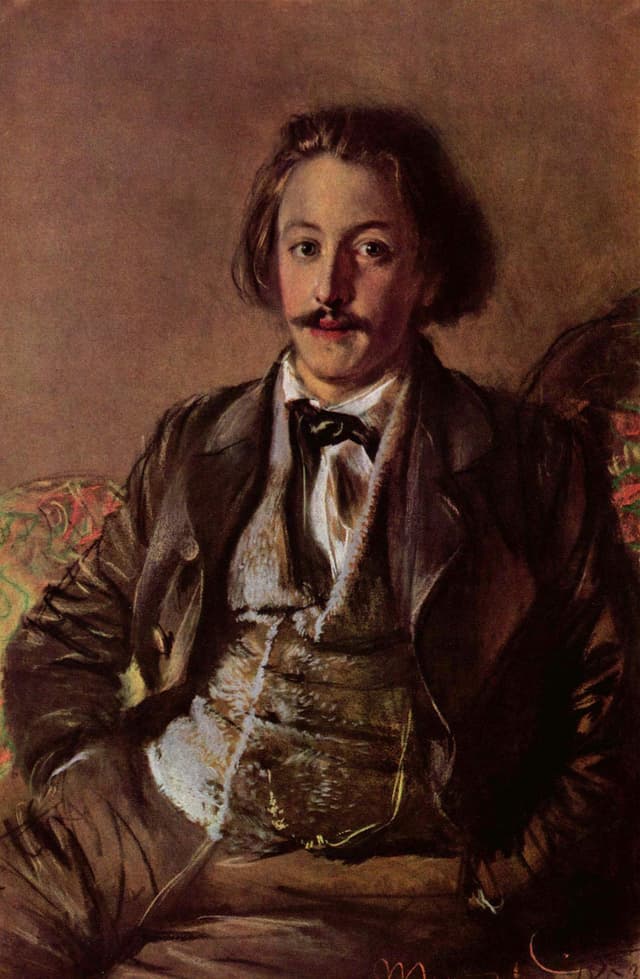
Paul Heyse
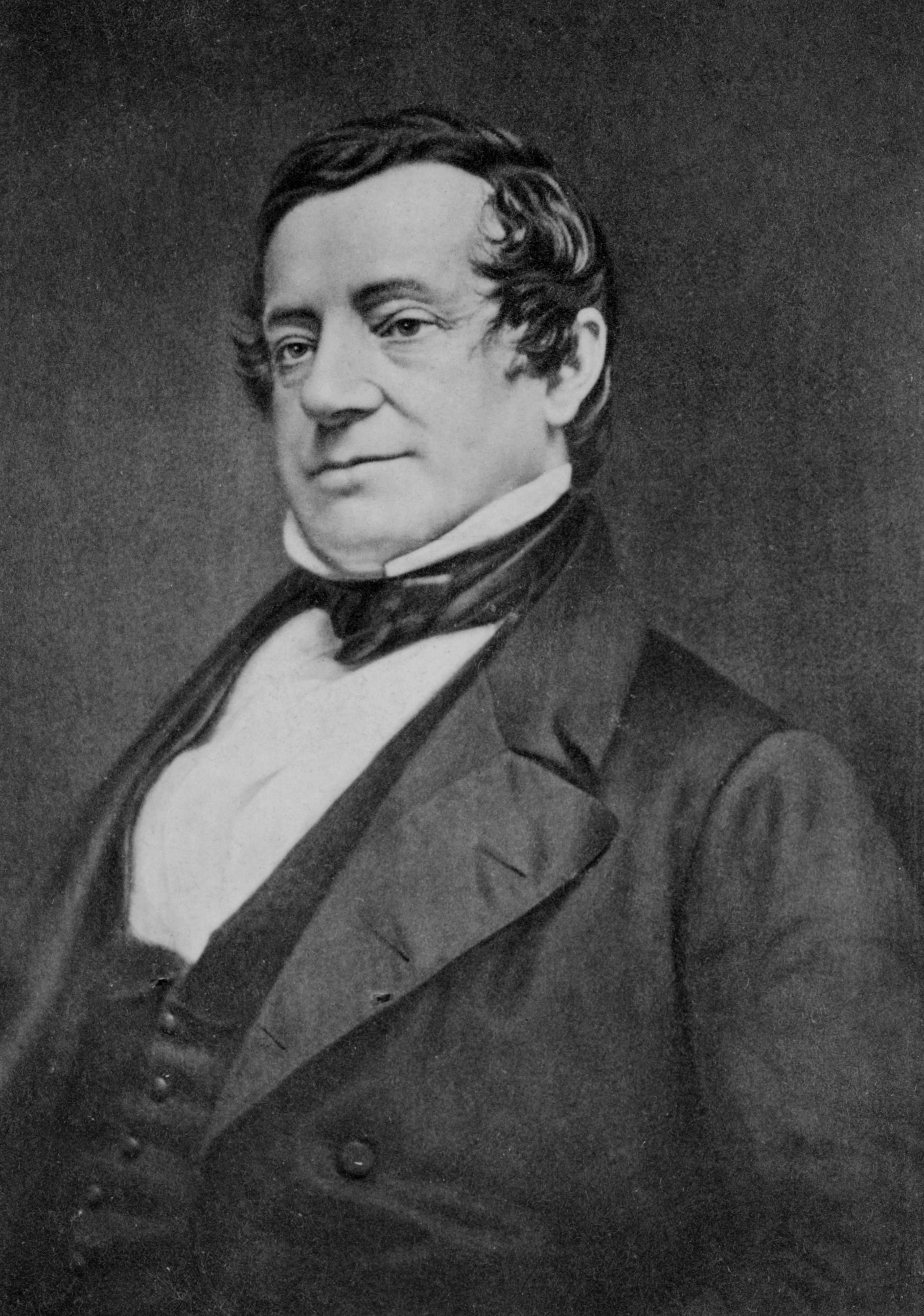
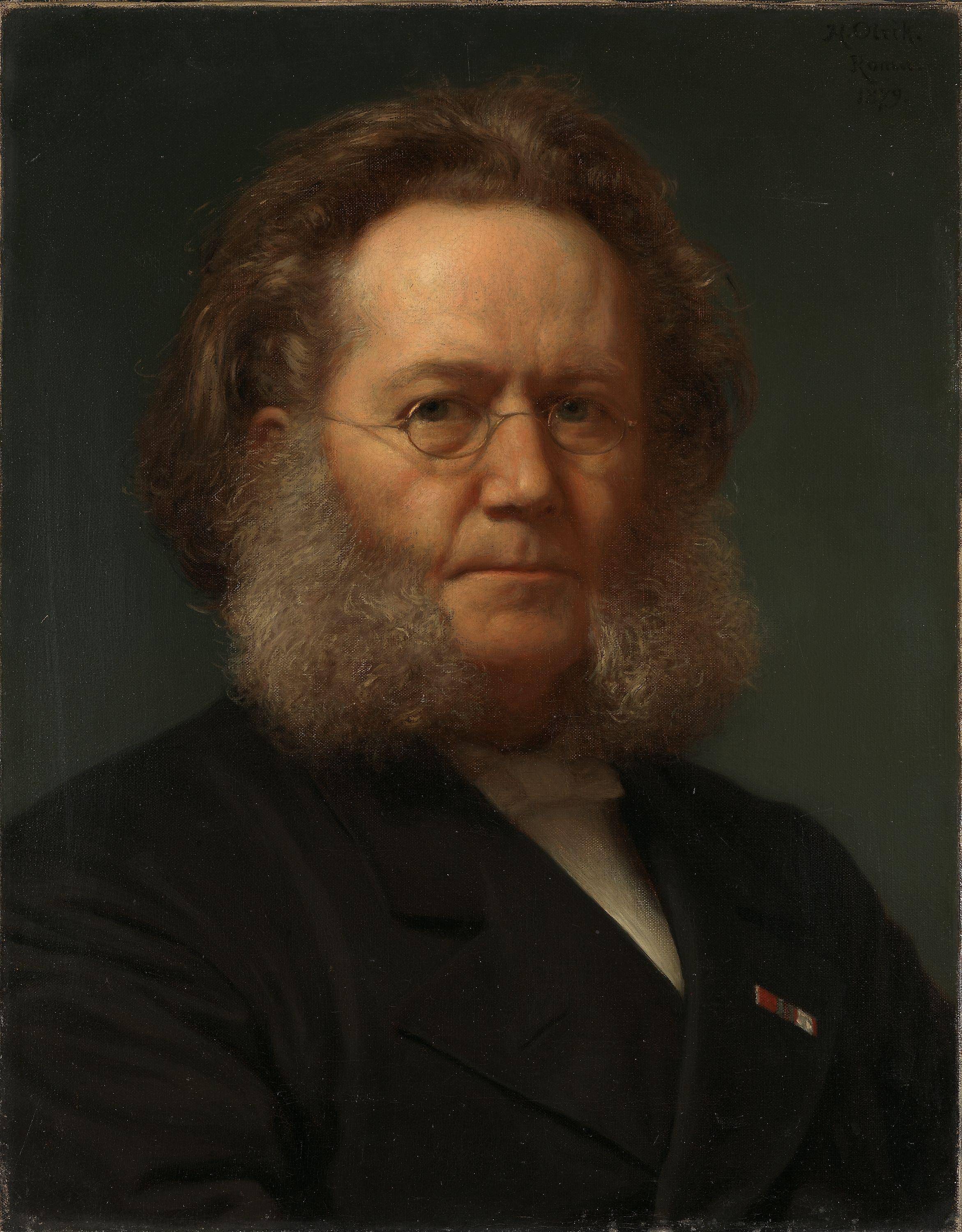
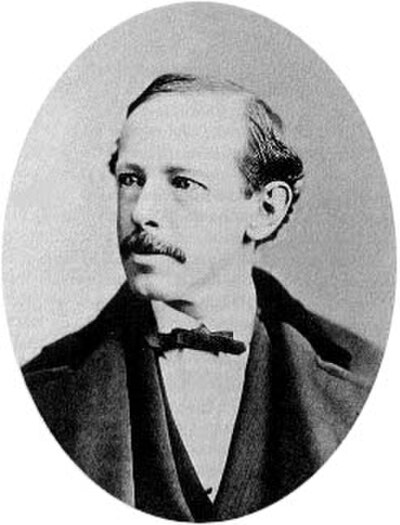
Paul Johann Ludwig von Heyse was a prominent German writer and translator whose literary contributions spanned novels, poetry, short stories, and drama. A member of influential literary circles such as Tunnel über der Spree in Berlin and Die Krokodile in Munich, Heyse became a central figure in the German literary scene. His prolific output included 177 short stories and around sixty plays, showcasing his versatility and mastery of various genres. Among his notable works are 'L'Arrabbiata,' 'Die Familie Selicke,' and 'Der Schatz,' which reflect his keen observations of human nature and society. Heyse's literary significance was recognized with the Nobel Prize in Literature in 1910, awarded for his artistry and idealism throughout his extensive career. His writing was celebrated for its lyrical quality and depth, earning him comparisons to literary giants such as Goethe. As one of the most influential figures in German literature, Heyse's legacy endures through his diverse body of work, which continues to be studied and appreciated for its artistic merit and cultural impact.
Famous Quotes
View all 1 quotes“குழந்தைகள் கதை என்று ஒப்புக்கொண்டால் தான் கதையாகுமே தவிர பெரியவர்கள் மனம்போனபடி எழுதுவதெல்லாம் கதையாகாது”
Books from the author



Link to this page
Add a free, dofollow link to Lex on your blog, forum, syllabus, or reading list.

<a href="https://lex-books.com/author/paul-heyse"><img src="https://lex-books.com/badges/read-on-lex.svg" alt="Paul Heyse on Lex" width="160" height="40"></a>[](https://lex-books.com/author/paul-heyse)[url=https://lex-books.com/author/paul-heyse][img]https://lex-books.com/badges/read-on-lex.svg[/img][/url]Paul Heyse on Lex: https://lex-books.com/author/paul-heyse