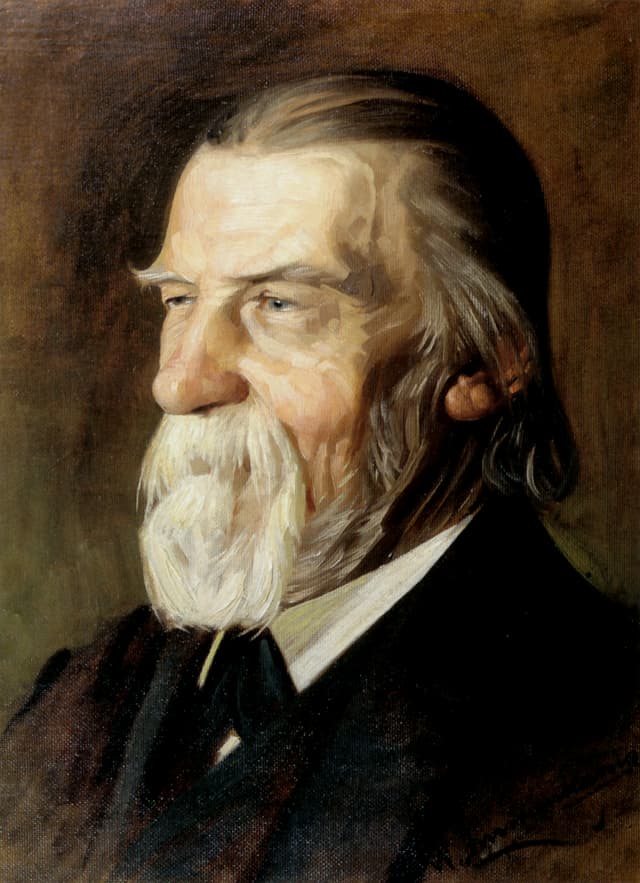
Wilhelm Raabe
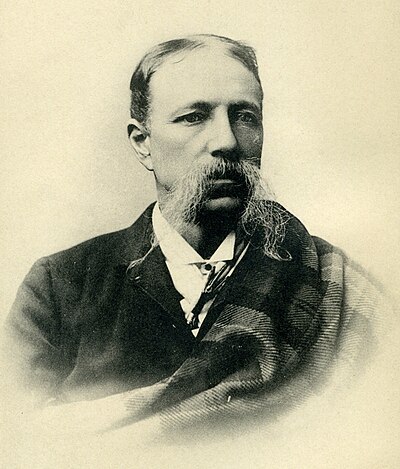
Wilhelm Raabe was a prominent German novelist known for his keen observations of society and his exploration of the human condition. Born in 1831, he initially published his early works under the pseudonym Jakob Corvinus, which allowed him to navigate the literary landscape of his time while developing his unique voice. Raabe's novels often depicted the lives of ordinary people, infused with a sense of realism and psychological depth that set him apart from his contemporaries. His notable works include 'Die Chronik der Sperlingsgasse' and 'Der Hungerpastor,' both of which reflect his interest in the struggles and aspirations of the lower and middle classes in 19th-century Germany. Raabe's literary significance lies in his ability to blend social criticism with rich character development, making him a precursor to later German literary movements. His narratives often tackled themes of alienation, identity, and the complexities of modern life, earning him a reputation as a thoughtful observer of his society. Despite being overshadowed by more famous contemporaries, Raabe's contributions to German literature have been recognized for their depth and insight, influencing future generations of writers. His legacy endures through his exploration of the human experience, which continues to resonate in literary discussions today.
Famous Quotes
View all 3 quotes“Erst durch Lesen lernt man, wie viel man ungelesen lassen kann.”
“[...] es ist leichter, sich in eine fremde Welt zu finden, als sich in einer fremdgewordenen wieder heimisch zu machen!”
“Wenn Seufzer die Welt verbessern könnten, sie wäre längst keiner Verbesserung mehr fähig.”
Books from the author

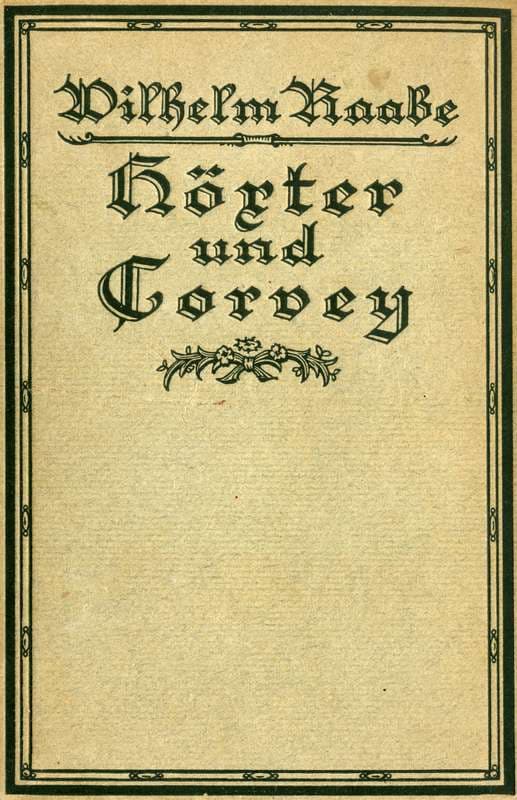

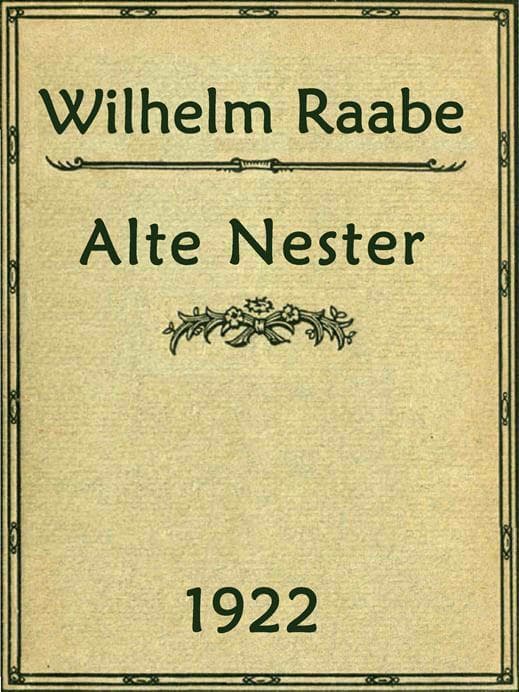










Link to this page
Add a free, dofollow link to Lex on your blog, forum, syllabus, or reading list.

<a href="https://lex-books.com/author/wilhelm-raabe"><img src="https://lex-books.com/badges/read-on-lex.svg" alt="Wilhelm Raabe on Lex" width="160" height="40"></a>[](https://lex-books.com/author/wilhelm-raabe)[url=https://lex-books.com/author/wilhelm-raabe][img]https://lex-books.com/badges/read-on-lex.svg[/img][/url]Wilhelm Raabe on Lex: https://lex-books.com/author/wilhelm-raabe