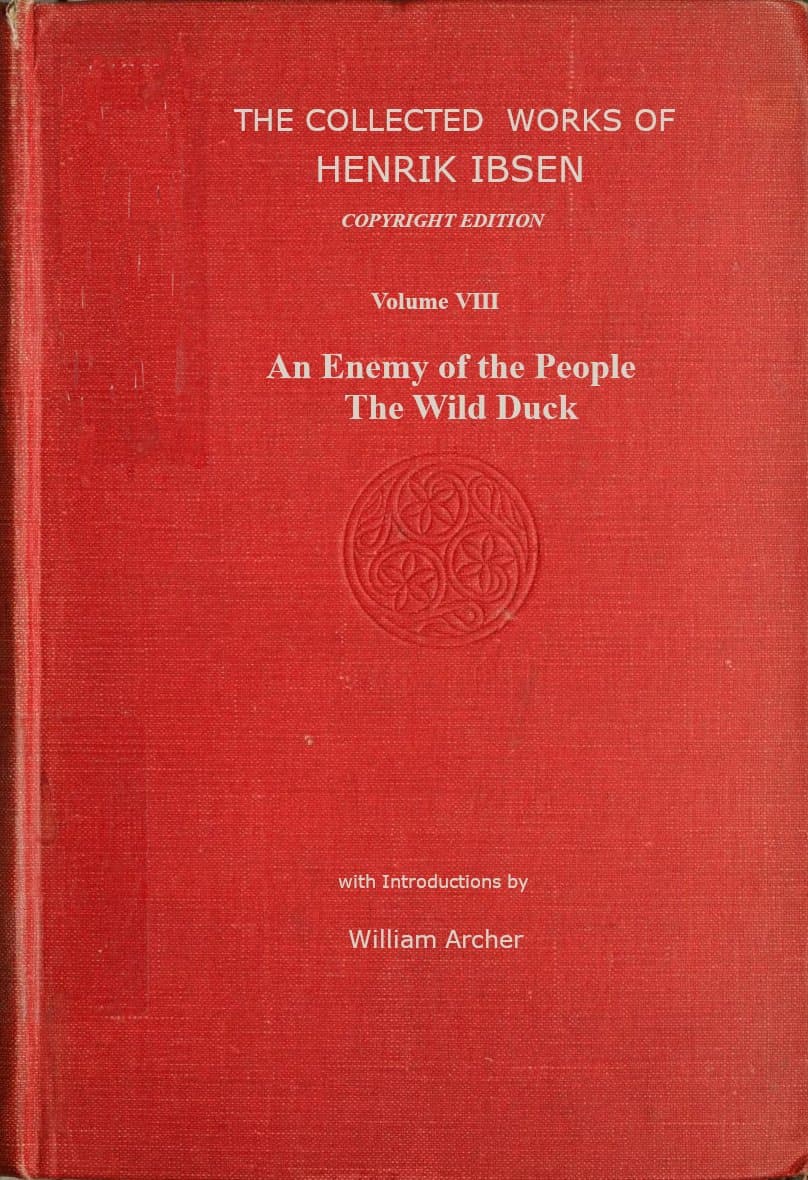
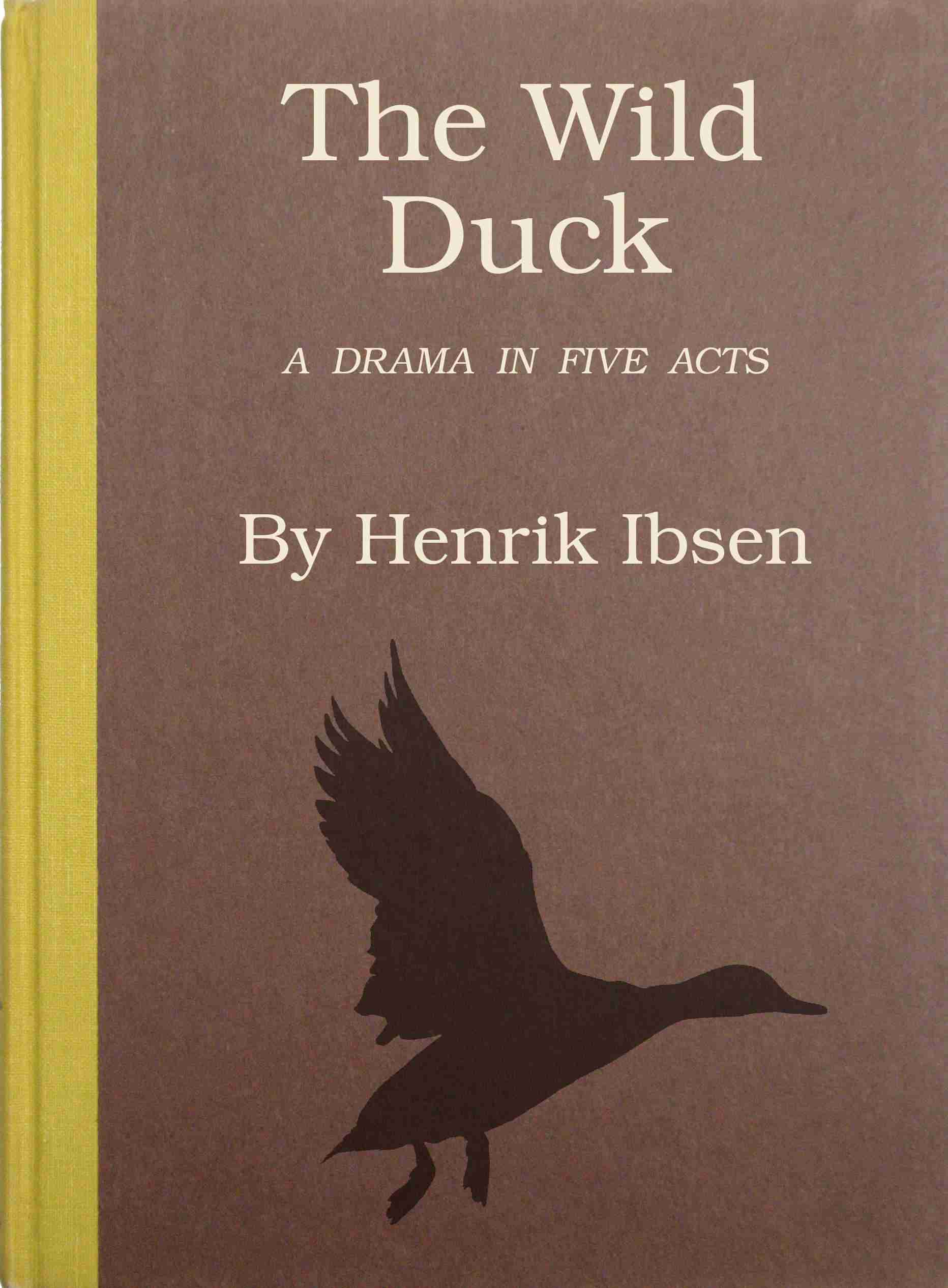
The Wild Duck: A Drama in Five Acts
1884
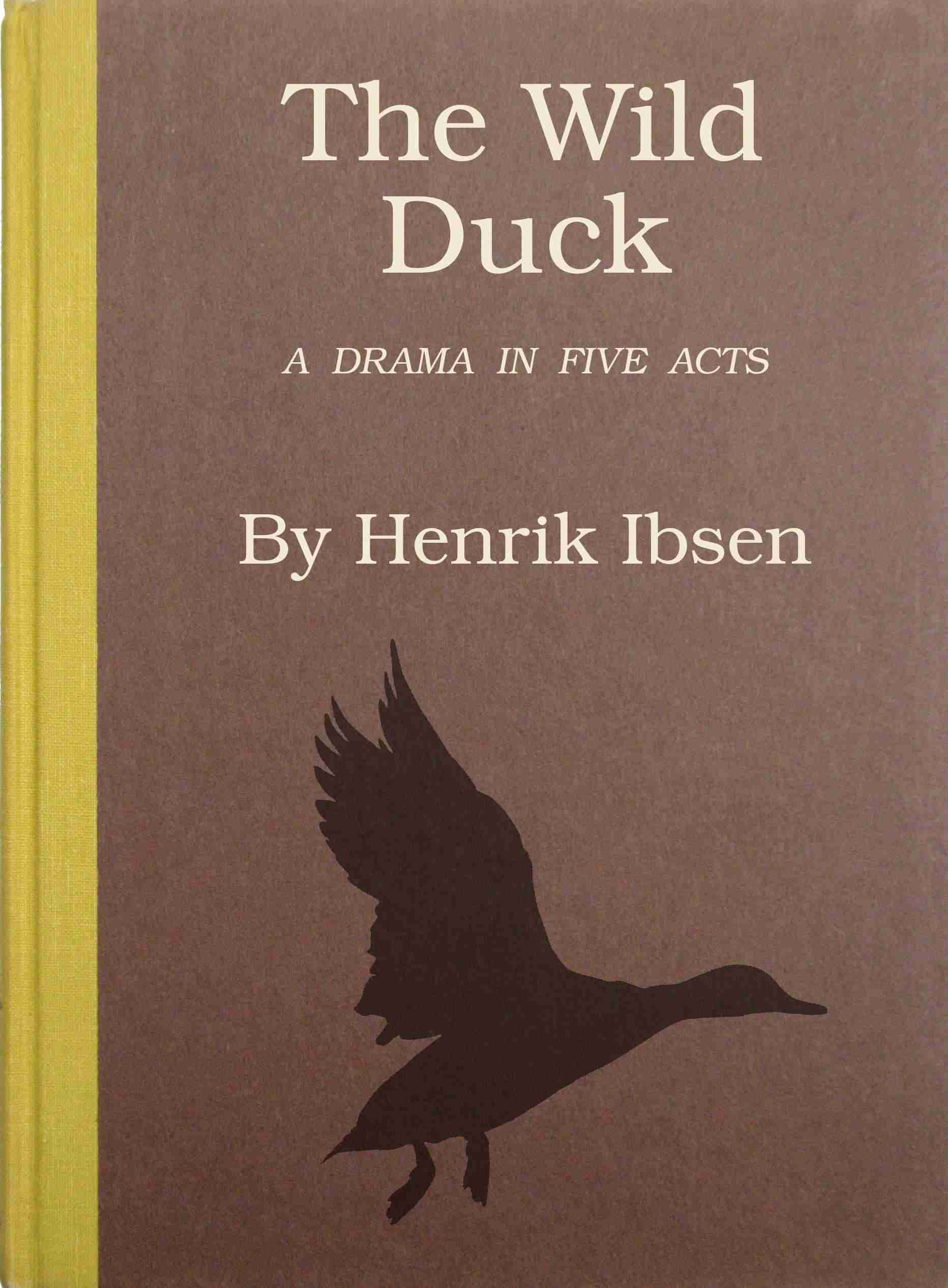
In Ibsen's devastating masterpiece, Gregers Werle returns to his childhood town after years away, obsessed with a single conviction: his friend Hjalmar Ekdal has a right to know the truth about his past. What follows is a ruthless unraveling of a modest but happy household. Gregers exposes the secrets that bind Hjalmar to his photographer's studio, his wife Gina, and most devastatingly, to their young daughter Hedvig. But here is the tragedy Ibsen understood and feared: the truth does not liberate. It destroys. The wild duck of the title, wounded and living in the Ekdals' attic, becomes an aching symbol for all the creatures caught between the light they once knew and the dark reality that claims them. Written in 1884, this is Ibsen at his most psychologically precise, building catastrophe from the collision between righteous idealism and the fragile lies that allow people to live. It asks the question every generation must answer: is honesty always moral, or can kindness live in the shadows?
Editions
X-Ray
“Rob the average man of his life-illusion, and you rob him of his happiness at the same stroke.””
— Henrik Ibsen
“The forests avenge themselves.””
— Henrik Ibsen
“Men are funny characters, they must always have something to bemuse them.””
— Henrik Ibsen
“He is suffering from an acute attack of integrity.””
— Henrik Ibsen
“Because there is surely nothing in the world that can compare with happiness of forgiveness and of lifting up a guilty sinner in the arms of love.””
— Henrik Ibsen
“A man who has the inventive genius can't control it exactly as he wishes. Its working depends in great measure on inspiration--on a momentary suggestion--and it is almost impossible to tell beforehand at what moment it will come.””
— Henrik Ibsen
“No, I don't think one ought to be at everybody's beck and call. Anyway, I'm not going to be.””
— Henrik Ibsen
“Most people are ennobled by the actual presence of death. But how long do you suppose this nobility will last in him?””
— Henrik Ibsen
“Werle: "I believe there is no one in the world you detest as you do me."Gregers: "I have seen you at too close quarters.””
— Henrik Ibsen
Link to this book
Add a free, dofollow link to Lex on your blog, forum, syllabus, or reading list.

<a href="https://lex-books.com/book/the-wild-duck-a-drama-in-five-acts-108eee9e-722b-4d41-b983-d4fc4596307c"><img src="https://lex-books.com/badges/read-on-lex.svg" alt="Read The Wild Duck: A Drama in Five Acts by Henrik Ibsen free on Lex" width="160" height="40"></a>[](https://lex-books.com/book/the-wild-duck-a-drama-in-five-acts-108eee9e-722b-4d41-b983-d4fc4596307c)[url=https://lex-books.com/book/the-wild-duck-a-drama-in-five-acts-108eee9e-722b-4d41-b983-d4fc4596307c][img]https://lex-books.com/badges/read-on-lex.svg[/img][/url]Read The Wild Duck: A Drama in Five Acts by Henrik Ibsen free on Lex: https://lex-books.com/book/the-wild-duck-a-drama-in-five-acts-108eee9e-722b-4d41-b983-d4fc4596307cCite this book
Reading this edition for a paper or guide? Copy a citation.
Ibsen, Henrik. The Wild Duck: A Drama in Five Acts. Lex, lex-books.com/book/the-wild-duck-a-drama-in-five-acts-108eee9e-722b-4d41-b983-d4fc4596307c.Ibsen, H. (1884). The Wild Duck: A Drama in Five Acts. Lex. https://lex-books.com/book/the-wild-duck-a-drama-in-five-acts-108eee9e-722b-4d41-b983-d4fc4596307cIbsen, Henrik. The Wild Duck: A Drama in Five Acts. Lex. https://lex-books.com/book/the-wild-duck-a-drama-in-five-acts-108eee9e-722b-4d41-b983-d4fc4596307c.