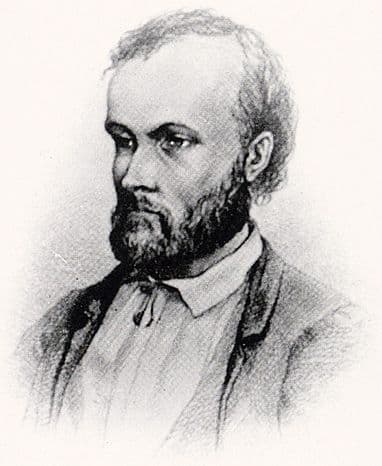
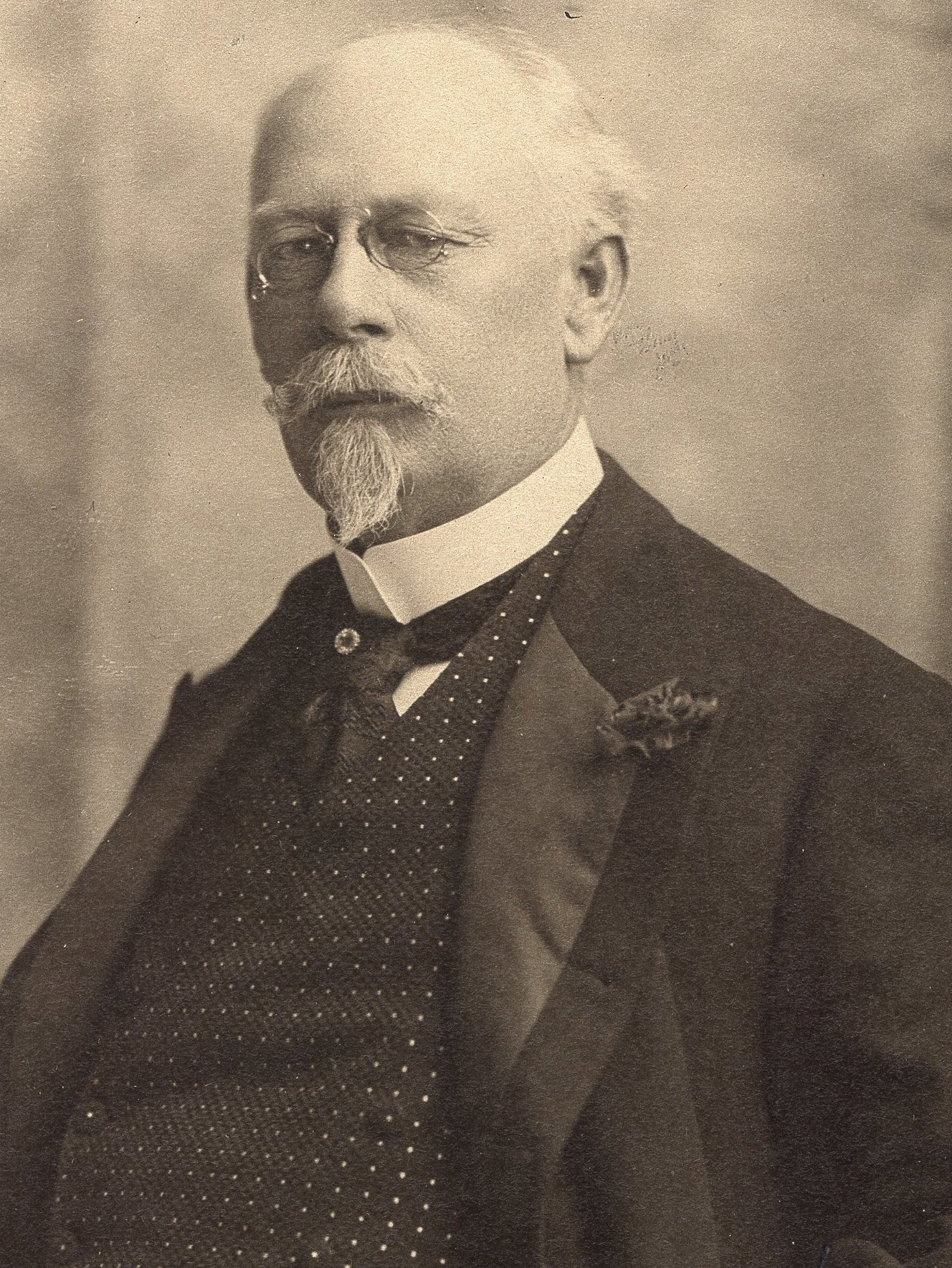
Aleksis Kivi
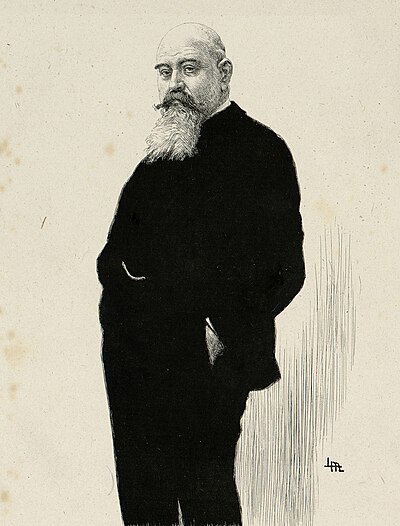
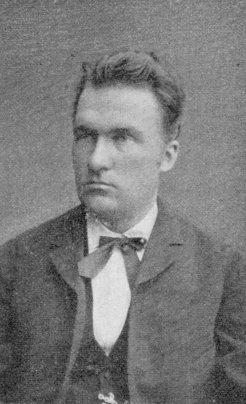
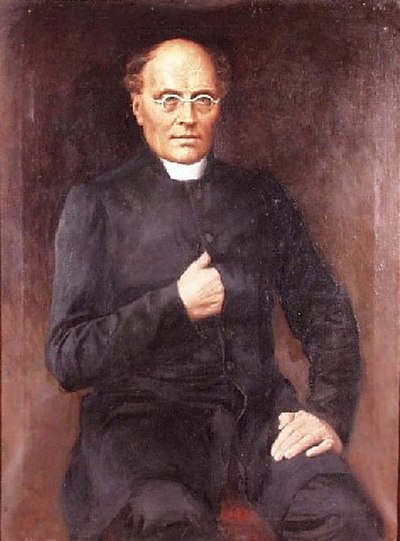
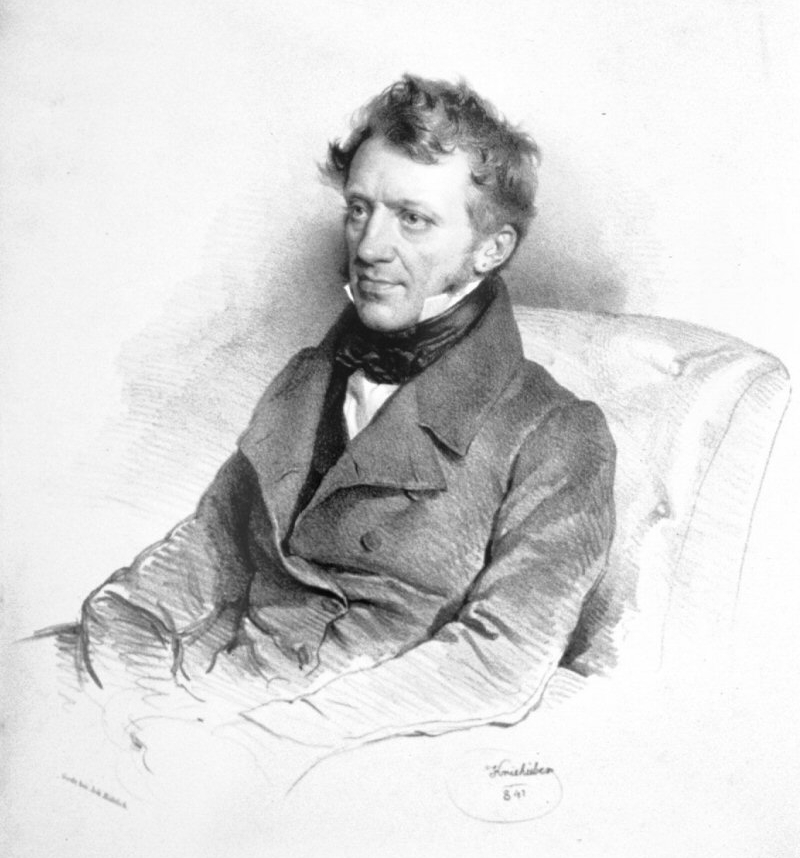
Aleksis Kivi, originally named Alexis Stenvall, was a pioneering Finnish writer who made a lasting impact on Finnish literature. He is best known for his novel Seitsemän veljestä (Seven Brothers), published in 1870, which is celebrated as the first significant novel in the Finnish language. This groundbreaking work explores the lives of seven brothers as they navigate the challenges of rural life, reflecting both the struggles and the spirit of Finnish identity. Kivi's contributions to literature extend beyond this novel; his play Nummisuutarit (Heath Cobblers), written in 1864, showcases his ability to blend humor with social commentary, further establishing his reputation as a key figure in Finnish drama. Kivi's influence on Finnish literature is profound, earning him the title of the national writer of Finland. His works not only laid the groundwork for future Finnish prose and poetry but also helped to elevate the Finnish language in literary circles. Despite his short life, Kivi's legacy endures, with his birthday, October 10, commemorated as Finnish Literature Day, celebrating his role in shaping the literary landscape of Finland. His unique voice and innovative storytelling continue to inspire writers and readers alike, marking him as a foundational figure in the development of Finnish literature.
Famous Quotes
View all 3 quotes“It is not easy to wash off the shame when it has already been glued to a person.”
“Muistuttipa heidän juoksunsa kuuta korkeuden sininiitulla. Ei väisty hän syrjään hattaran edestä, joka tahtoo sulkea hänen tiensä, vaan huoletonna hän retkeilee sen läpitse, ja kirkkaampana kuin ennen astuu hän jälleen sen kautta ulos. / Their flight was like the moon's course through the blue fields of the sky. She does not turn aside for a flimsy cloud that tries to block her path, but sails through it serenely and emerges on the other side brighter than before.”
“A strong desire derives a person straight through the hardest rock.”
Books from the author

Link to this page
Add a free, dofollow link to Lex on your blog, forum, syllabus, or reading list.

<a href="https://lex-books.com/author/aleksis-kivi"><img src="https://lex-books.com/badges/read-on-lex.svg" alt="Aleksis Kivi on Lex" width="160" height="40"></a>[](https://lex-books.com/author/aleksis-kivi)[url=https://lex-books.com/author/aleksis-kivi][img]https://lex-books.com/badges/read-on-lex.svg[/img][/url]Aleksis Kivi on Lex: https://lex-books.com/author/aleksis-kivi