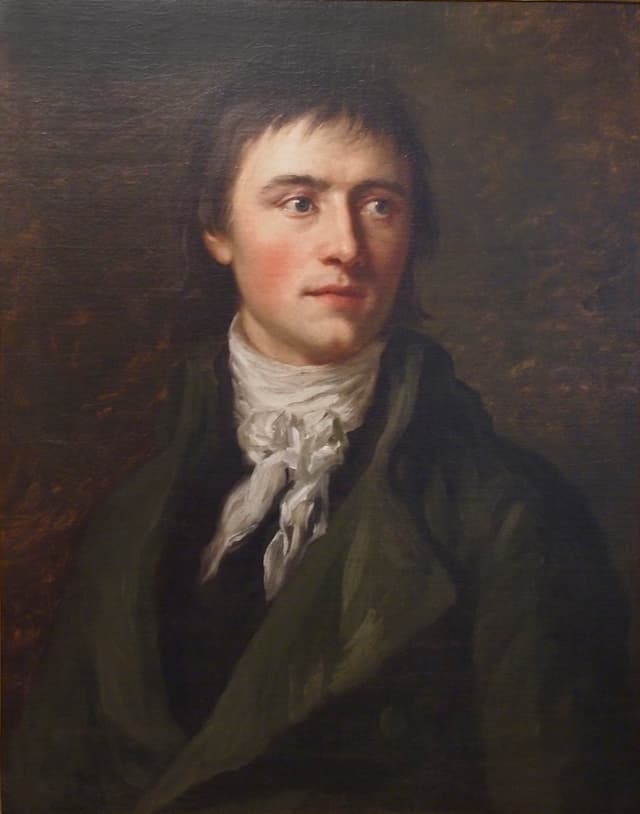
Heinrich von Kleist
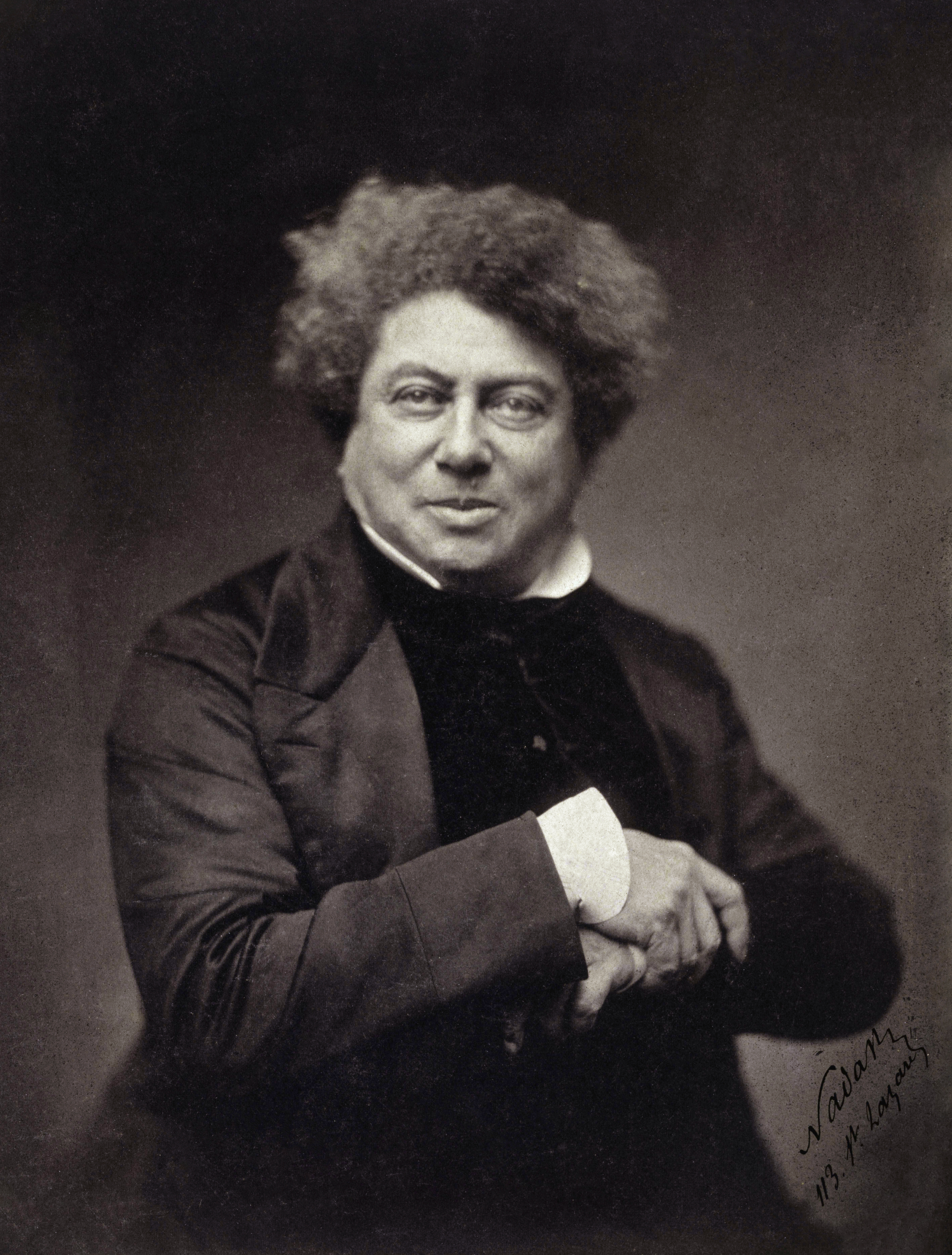
Heinrich von Kleist was a pivotal figure in German literature, known for his innovative contributions as a poet, dramatist, and novelist. Born in Frankfurt an der Oder, he produced a body of work that explored complex themes of human emotion, conflict, and existential struggle. His notable plays, including 'The Prince of Homburg' and 'Penthesilea,' are celebrated for their psychological depth and dramatic intensity, while his novellas, such as 'Michael Kohlhaas' and 'The Marquise of O,' showcase his mastery of narrative and character development. Kleist's writing often grappled with the tensions between individual desires and societal constraints, marking him as a precursor to modern existential thought. Despite his literary achievements, Kleist's life was marked by personal turmoil, culminating in his tragic suicide alongside a terminally ill friend. His legacy endures through the Kleist Prize, awarded for excellence in German literature, and the Kleist Theater, which honors his contributions to the arts. Kleist's works continue to influence contemporary writers and playwrights, solidifying his place as a significant figure in the canon of German literature.
Famous Quotes
View all 3 quotes“But paradise is locked and bolted.... We must make a journey around the world to see if a back door has perhaps been left open.”
“the kiss and the bite are such close cousins that in the heat of love they are too readily confounded”
“Misconceptions are unavoidable now that we've eaten of the Tree of Knowledge. But Paradise is locked and bolted, and the cherubim stands behind us. We have to go on and make the journey round the world to see if it is perhaps open somewhere at the back.”
Books from the author






Link to this page
Add a free, dofollow link to Lex on your blog, forum, syllabus, or reading list.

<a href="https://lex-books.com/author/heinrich-von-kleist"><img src="https://lex-books.com/badges/read-on-lex.svg" alt="Heinrich von Kleist on Lex" width="160" height="40"></a>[](https://lex-books.com/author/heinrich-von-kleist)[url=https://lex-books.com/author/heinrich-von-kleist][img]https://lex-books.com/badges/read-on-lex.svg[/img][/url]Heinrich von Kleist on Lex: https://lex-books.com/author/heinrich-von-kleist