Hærmændene På Helgeland: Med Anmerkninger Av Stud. Mag. Birger Knudsen
1858
Hærmændene På Helgeland: Med Anmerkninger Av Stud. Mag. Birger Knudsen
1858
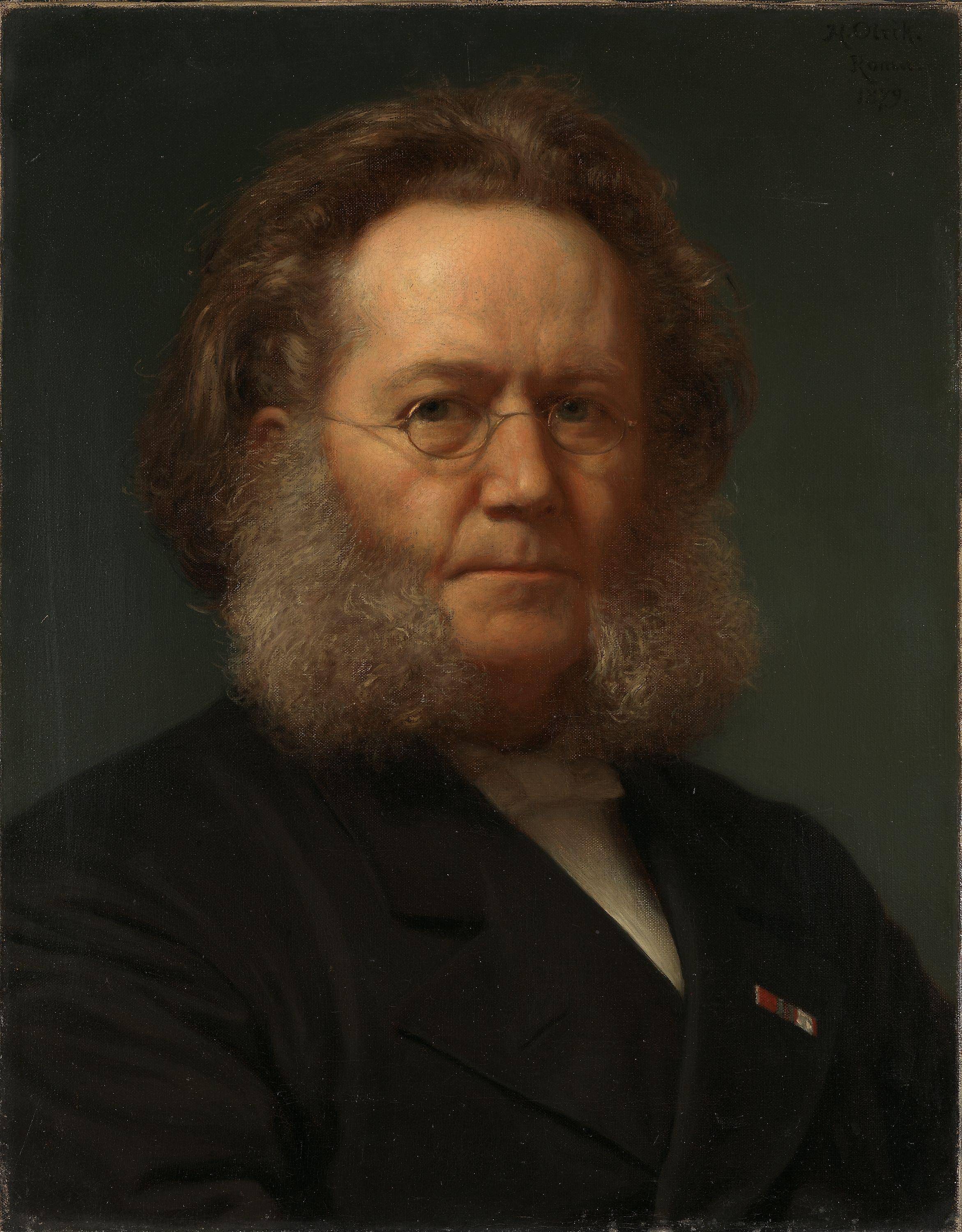
Hærmændene På Helgeland, written by Henrik Ibsen and first published in 1858, is a Norwegian drama set in the Viking Age. The play explores themes of honor, revenge, and complex human relationships through the story of Ørnulf, a landowner seeking vengeance for the wrongs done to his foster daughter Hjørdis. As Ørnulf and his sons confront Gunnar and Sigurd amidst familial feuds, the narrative delves into loyalty, betrayal, and the consequences of past actions, making it a significant work in Ibsen's oeuvre.
Editions
X-Ray
“Cage an eagle and it will bite at the wires, be they ofiron or of gold.””
— Henrik Ibsen
“Here in the north each night is a whole winter long. Yet the place is fair enough, doubt it not! Thou shalt see sights here such as thou hast not seen in the halls of the English king. We shall be together as sisters whilst thou bidest with me; we shall go down to the sea when the storm begins once more; thou shalt see the billows rushing upon the land like wild, white-maned horses”
— Henrik Ibsen
“The White God is coming northward; him will I not meet; the old gods are strong no longer;”
— Henrik Ibsen
“(A thrill of dread runs through the whole group; ASGARDSREIEN”
— Henrik Ibsen
“SIGURD. Man's will can do this and that; but fate rules in the deeds that shape our lives”
— Henrik Ibsen
“HIORDIS. Better no child, than one born in shame. DAGNY. In shame? HIORDIS. Dost thou forgot thy father's saying? Egil is the son of a leman; that was his word. DAGNY. A word spoken in wrath”
— Henrik Ibsen
“HIORDIS. Better no child, than one born in shame. DAGNY. In shame?””
— Henrik Ibsen
“HIORDIS. Cage an eagle and it will bite at the wires, be they of iron or of gold.””
— Henrik Ibsen
“(The feast-room in GUNNAR'S house. The entrance-door is in the back; smaller doors in the side-walls. In front, on the left, the greater high-seat; opposite it on the right, the lesser. In the middle of the floor, a wood fire is burning on a built-up hearth. In the background, on both sides of the door, are daises for the women of the household. From each of the high-seats, a long table, with benches, stretches backwards, parallel with the wall. It is dark outside; the fire lights the room.)””
— Henrik Ibsen
Link to this book
Add a free, dofollow link to Lex on your blog, forum, syllabus, or reading list.

<a href="https://lex-books.com/book/h-rm-ndene-p-helgeland-med-anmerkninger-av-stud-mag-birger-knudsen-d7eaef5c-288c-4503-9e50-4370e8d194ed"><img src="https://lex-books.com/badges/read-on-lex.svg" alt="Read Hærmændene På Helgeland: Med Anmerkninger Av Stud. Mag. Birger Knudsen by Henrik Ibsen free on Lex" width="160" height="40"></a>[](https://lex-books.com/book/h-rm-ndene-p-helgeland-med-anmerkninger-av-stud-mag-birger-knudsen-d7eaef5c-288c-4503-9e50-4370e8d194ed)[url=https://lex-books.com/book/h-rm-ndene-p-helgeland-med-anmerkninger-av-stud-mag-birger-knudsen-d7eaef5c-288c-4503-9e50-4370e8d194ed][img]https://lex-books.com/badges/read-on-lex.svg[/img][/url]Read Hærmændene På Helgeland: Med Anmerkninger Av Stud. Mag. Birger Knudsen by Henrik Ibsen free on Lex: https://lex-books.com/book/h-rm-ndene-p-helgeland-med-anmerkninger-av-stud-mag-birger-knudsen-d7eaef5c-288c-4503-9e50-4370e8d194edCite this book
Reading this edition for a paper or guide? Copy a citation.
Ibsen, Henrik. Hærmændene På Helgeland: Med Anmerkninger Av Stud. Mag. Birger Knudsen. Lex, lex-books.com/book/h-rm-ndene-p-helgeland-med-anmerkninger-av-stud-mag-birger-knudsen-d7eaef5c-288c-4503-9e50-4370e8d194ed.Ibsen, H. (1858). Hærmændene På Helgeland: Med Anmerkninger Av Stud. Mag. Birger Knudsen. Lex. https://lex-books.com/book/h-rm-ndene-p-helgeland-med-anmerkninger-av-stud-mag-birger-knudsen-d7eaef5c-288c-4503-9e50-4370e8d194edIbsen, Henrik. Hærmændene På Helgeland: Med Anmerkninger Av Stud. Mag. Birger Knudsen. Lex. https://lex-books.com/book/h-rm-ndene-p-helgeland-med-anmerkninger-av-stud-mag-birger-knudsen-d7eaef5c-288c-4503-9e50-4370e8d194ed.