
Lew Wallace
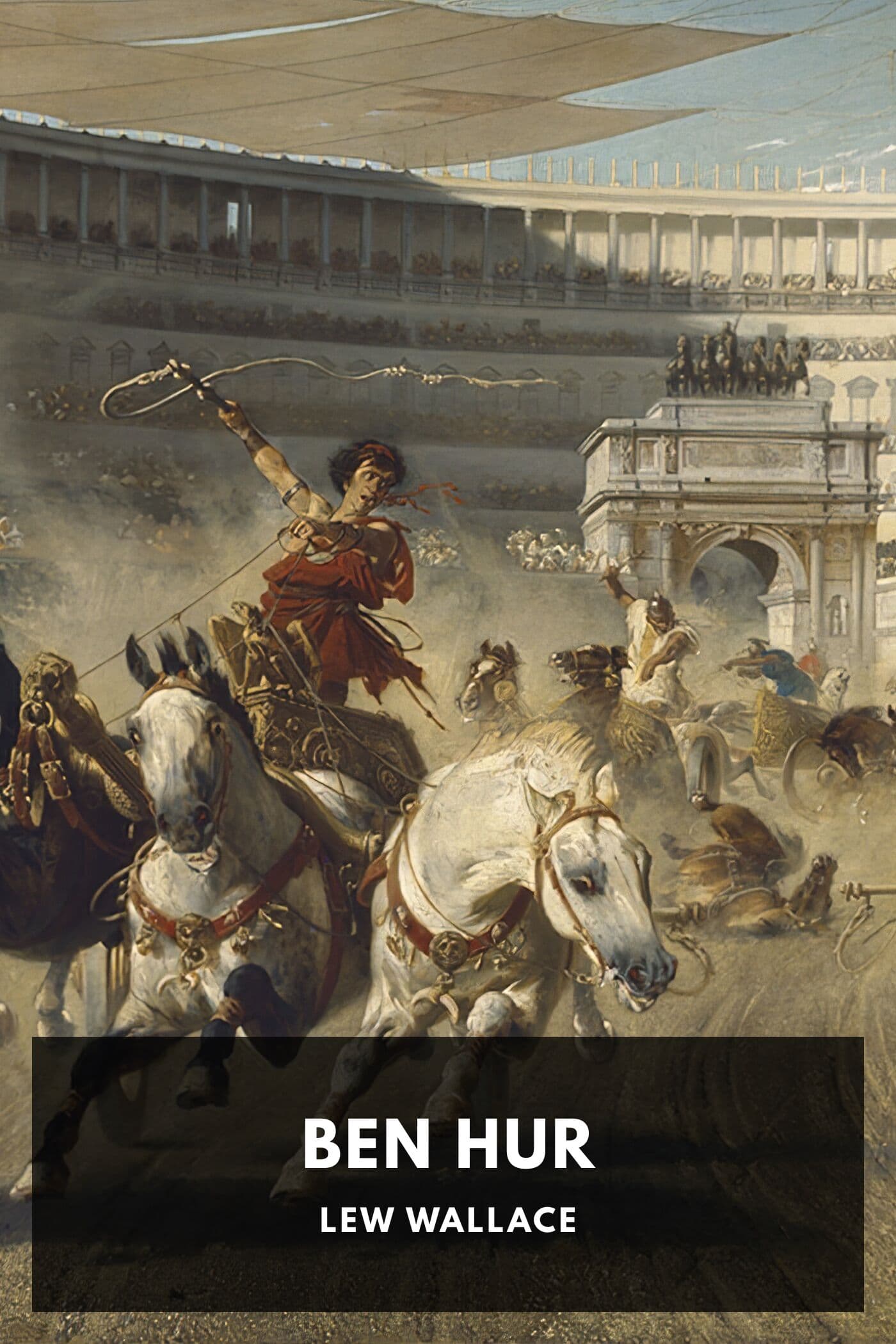
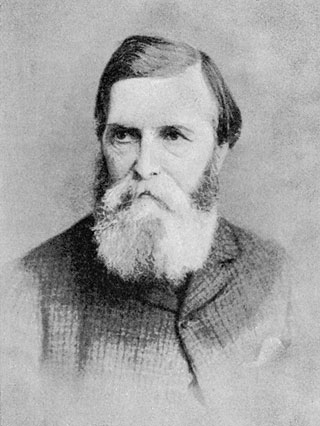
Lew Wallace was a multifaceted American figure known for his roles as a lawyer, Union general during the Civil War, and a prolific author. He gained prominence not only for his military service, which included significant battles such as Fort Donelson and Shiloh, but also for his political career as the governor of the New Mexico Territory and U.S. minister to the Ottoman Empire. His diverse experiences informed his literary work, most notably his historical novel, 'Ben-Hur: A Tale of the Christ,' published in 1880. This groundbreaking work became one of the best-selling novels of its time and is often regarded as the most influential Christian book of the nineteenth century, blending adventure with deep theological themes. Wallace's legacy extends beyond his literary achievements; he was a notable figure in American history, participating in the military commission for the trials of the Lincoln assassination conspirators and presiding over the trial of Henry Wirz, the commandant of the infamous Andersonville prison camp. His contributions to literature and history reflect a life dedicated to service, creativity, and the exploration of faith, making him a significant figure in both the literary and historical landscapes of his time.
Famous Quotes
View all 3 quotes“Knowledge leaves no room for chances.”
“Heaven may be won, not by the sword, not by human wisdom, but by Faith, Love, and Good Works.”
“A word as to the pleasure there is in the thought of a Soul in each of us. In the first place, it robs death of its terrors by making dying a change for the better, and burial but the planting of a seed from which there will spring a new life.”
Books from the author







Link to this page
Add a free, dofollow link to Lex on your blog, forum, syllabus, or reading list.

<a href="https://lex-books.com/author/lew-wallace"><img src="https://lex-books.com/badges/read-on-lex.svg" alt="Lew Wallace on Lex" width="160" height="40"></a>[](https://lex-books.com/author/lew-wallace)[url=https://lex-books.com/author/lew-wallace][img]https://lex-books.com/badges/read-on-lex.svg[/img][/url]Lew Wallace on Lex: https://lex-books.com/author/lew-wallace