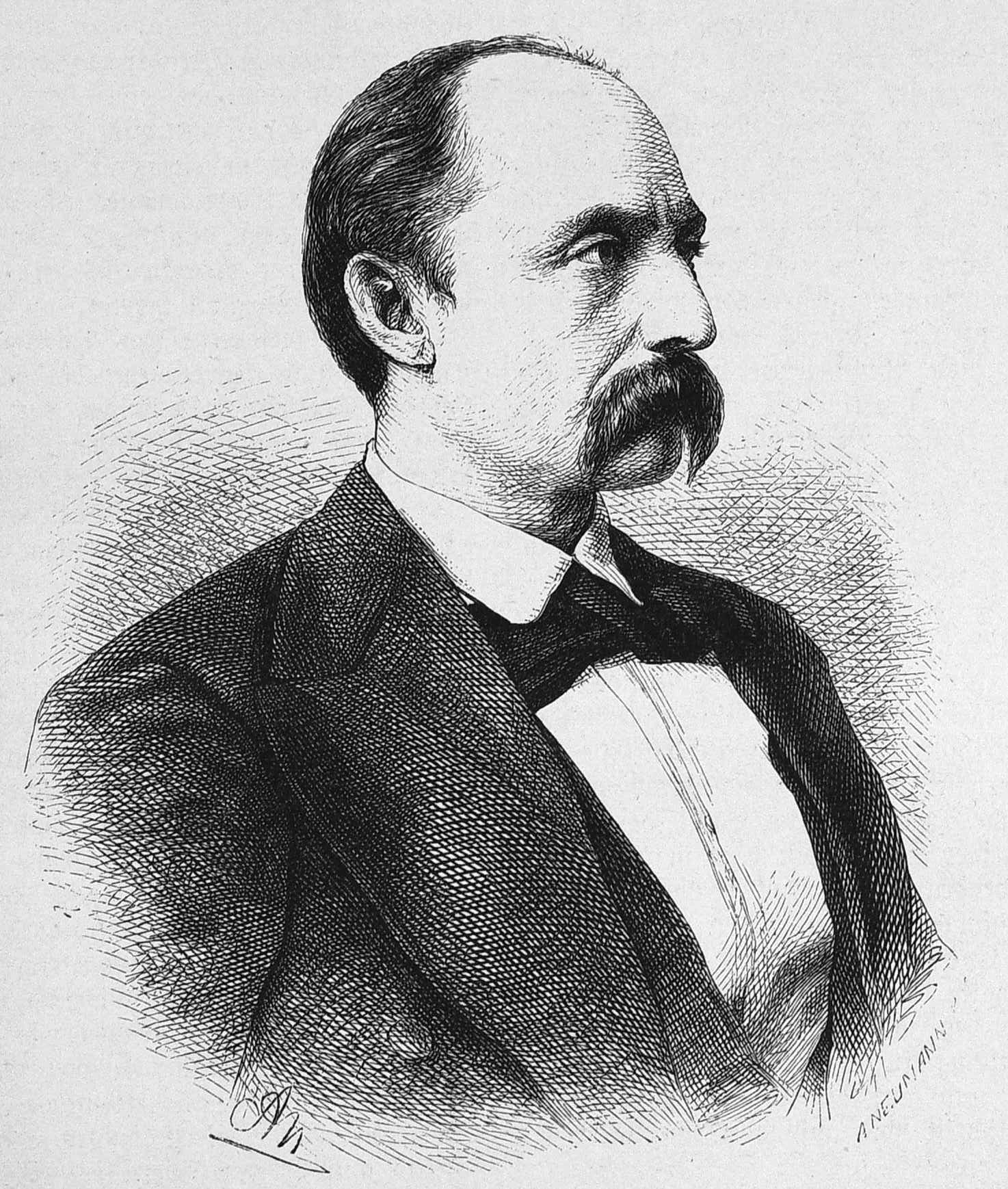
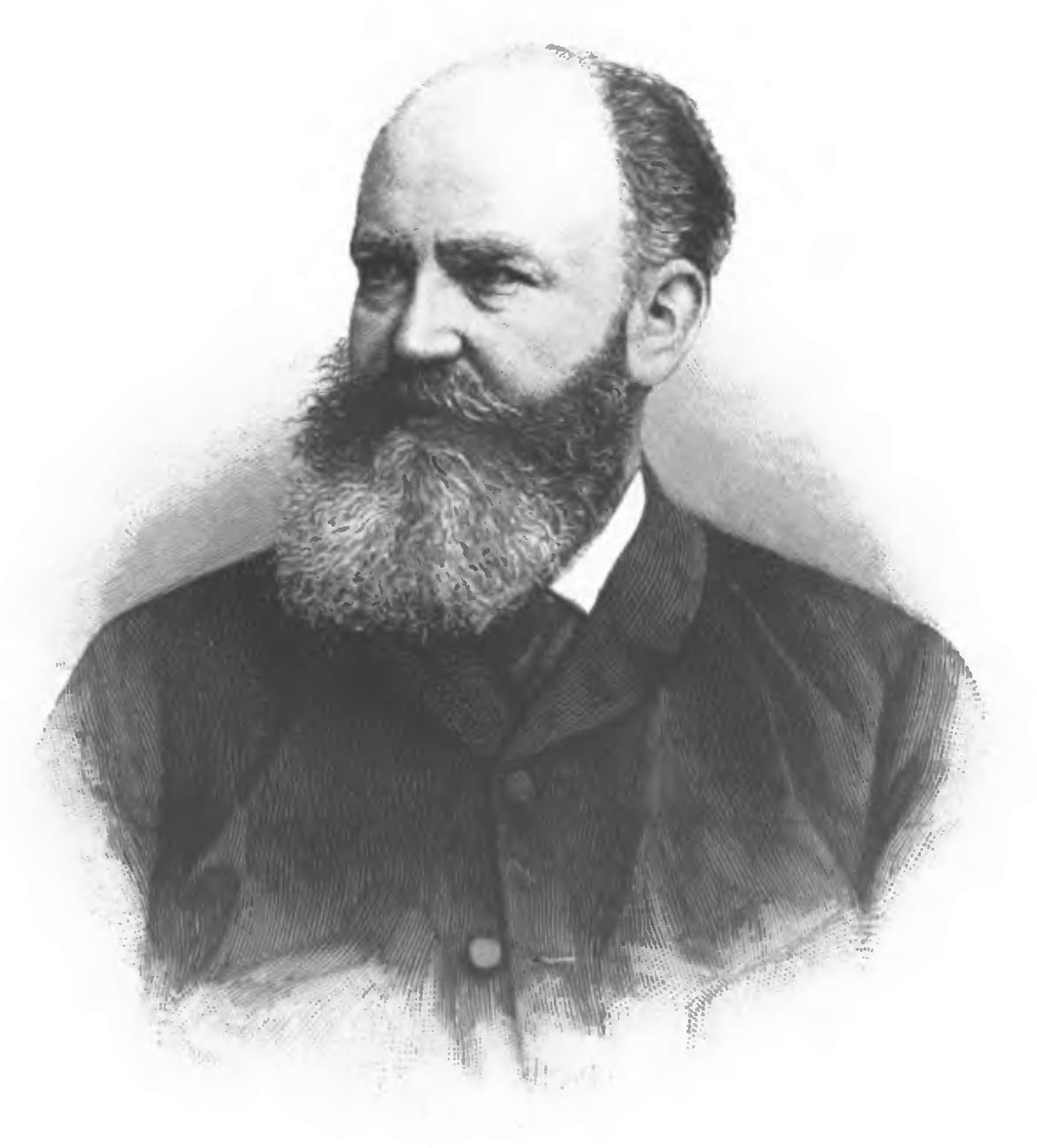
Friedrich Spielhagen
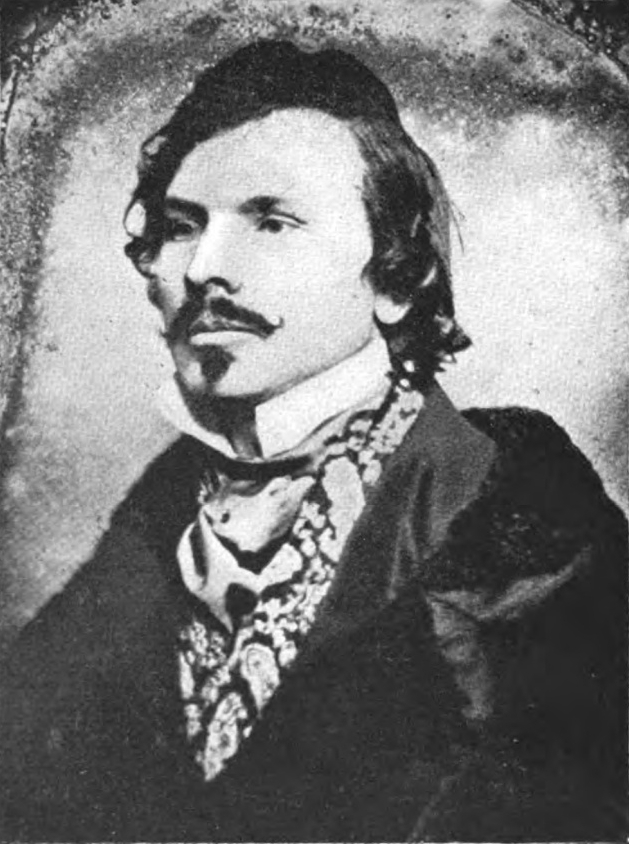
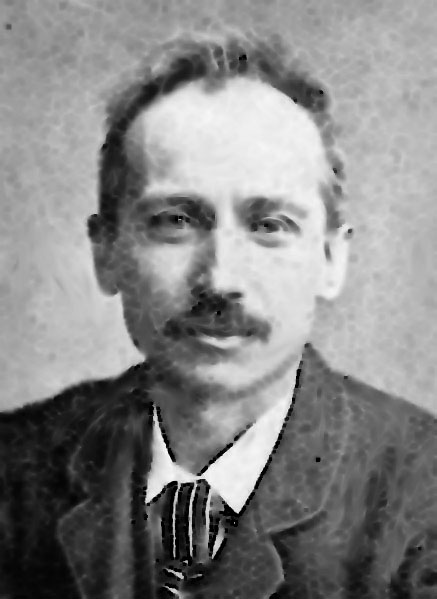
Friedrich Spielhagen was a German novelist and literary theorist whose works contributed significantly to the landscape of 19th-century literature. After experimenting with various careers in his early twenties, he found his calling in writing and translation at the age of 25. Spielhagen's literary output was marked by his keen observations of society and human nature, which he explored through his narratives. His most notable work, "Sturmflut," is recognized for its vivid portrayal of emotional and social turmoil, while "In Reih' und Glied" gained considerable acclaim in Russia, reflecting his ability to resonate with a broader audience beyond Germany. Spielhagen's significance lies not only in his storytelling but also in his contributions to literary theory, where he engaged with contemporary debates on realism and romanticism. His novels often tackled themes of social justice and individual struggle, positioning him as a precursor to later literary movements. Through his diverse body of work, Spielhagen left an indelible mark on German literature, influencing subsequent generations of writers and earning a place in the canon of significant literary figures of his time.
Famous Quotes
View all 1 quotes“If the poet ... is the inventor, the creator, of something new ... that without him would never have existed, then it is right and proper that he should be looked up to with due respect and awe as a chosen one, divinely gifted and inspired; if, on the other hand, he is the discoverer of something that is there for anyone to see ... he is to be envied but in no way excessively admired.”
Books from the author








Link to this page
Add a free, dofollow link to Lex on your blog, forum, syllabus, or reading list.

<a href="https://lex-books.com/author/friedrich-spielhagen"><img src="https://lex-books.com/badges/read-on-lex.svg" alt="Friedrich Spielhagen on Lex" width="160" height="40"></a>[](https://lex-books.com/author/friedrich-spielhagen)[url=https://lex-books.com/author/friedrich-spielhagen][img]https://lex-books.com/badges/read-on-lex.svg[/img][/url]Friedrich Spielhagen on Lex: https://lex-books.com/author/friedrich-spielhagen