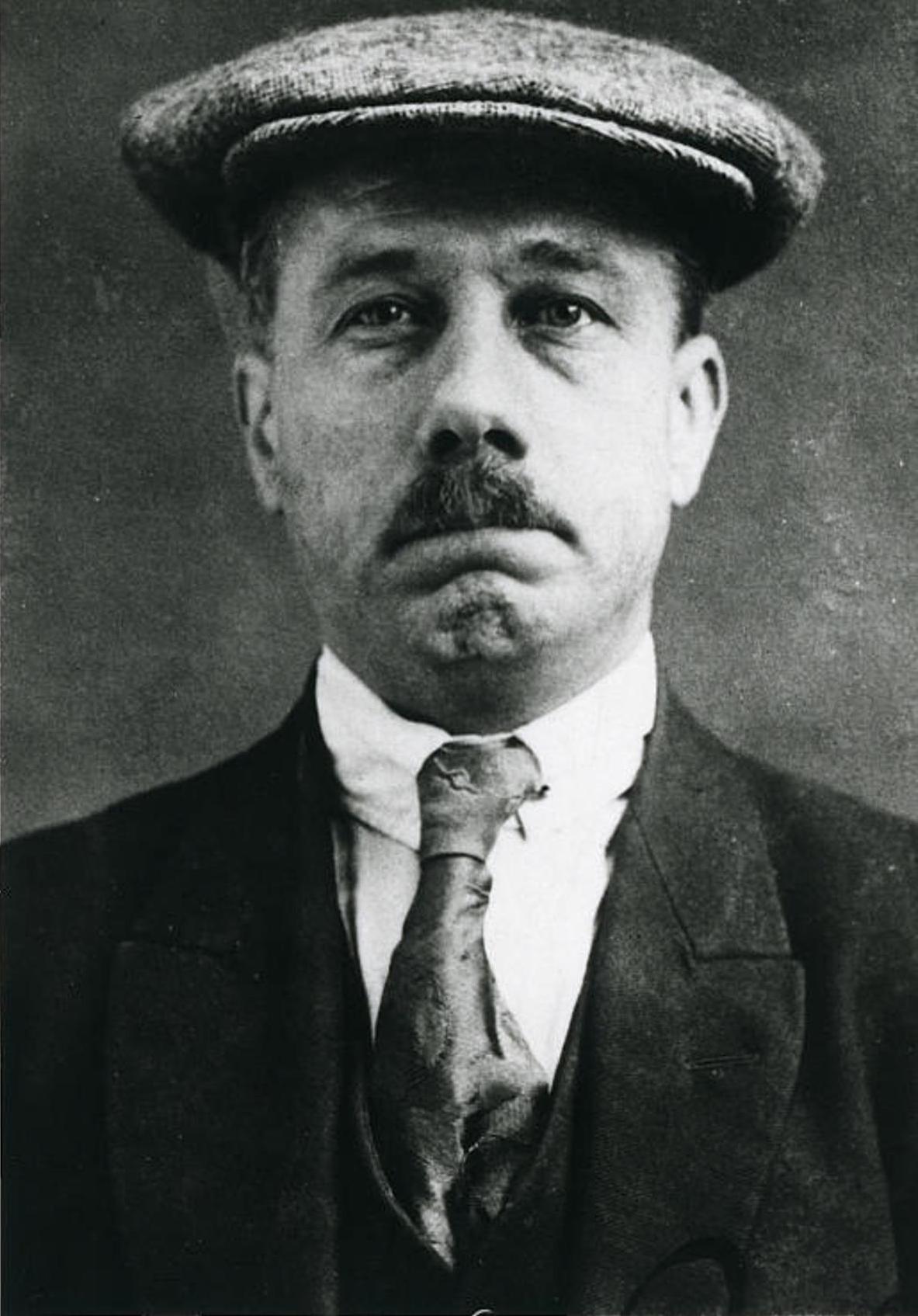
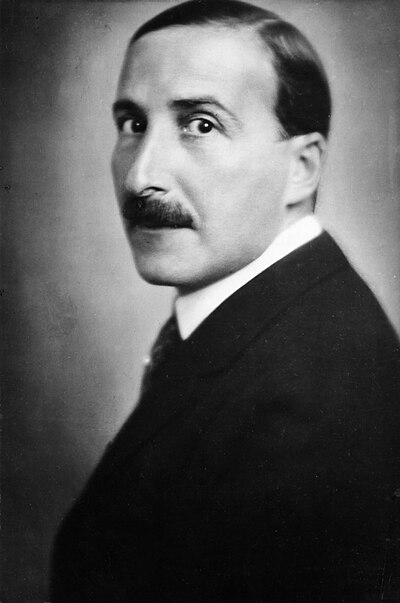
György Lukács
György Lukács was a Hungarian philosopher, literary critic, and Marxist theorist whose work significantly influenced 20th-century thought. Born into a wealthy Jewish family, he studied philosophy and literature, eventually becoming a prominent figure in the Budapest intellectual scene. His early writings, particularly 'History and Class Consciousness,' introduced the concept of reification and explored the relationship between class and consciousness, establishing him as a key figure in Marxist theory. Lukács's ideas on aesthetics and literature emphasized the role of art in reflecting and shaping social reality, making him a pivotal figure in the development of literary criticism. Throughout his life, Lukács engaged with various political movements, aligning himself with the Communist Party and later facing exile due to his opposition to Stalinism. His later works, including 'The Theory of the Novel' and 'The Meaning of Contemporary Realism,' further examined the interplay between literature and society, advocating for a realist approach in literature that captures the complexities of human experience. Lukács's legacy endures in his profound impact on literary theory, Marxist philosophy, and the understanding of the role of culture in social change, influencing generations of thinkers and writers across the globe.
Famous Quotes
View all 19 quotes“Philosophy is transcendental homelessness; it is the urge to be at home everywhere””
“Well I know Gyuri [the familiar diminutive of Georg or György], that human beings are unapproachable, that their souls are as far from each other as stars; only the remote radiance reaches to the other. I know that human beings are surrounded by dark, great seas, and thus they look across to one another, yearning but never reaching one another””
“There is no reasonable doubt that existentialism will soon become the predominant philosophical current among bourgeois intellectuals." (1949)””