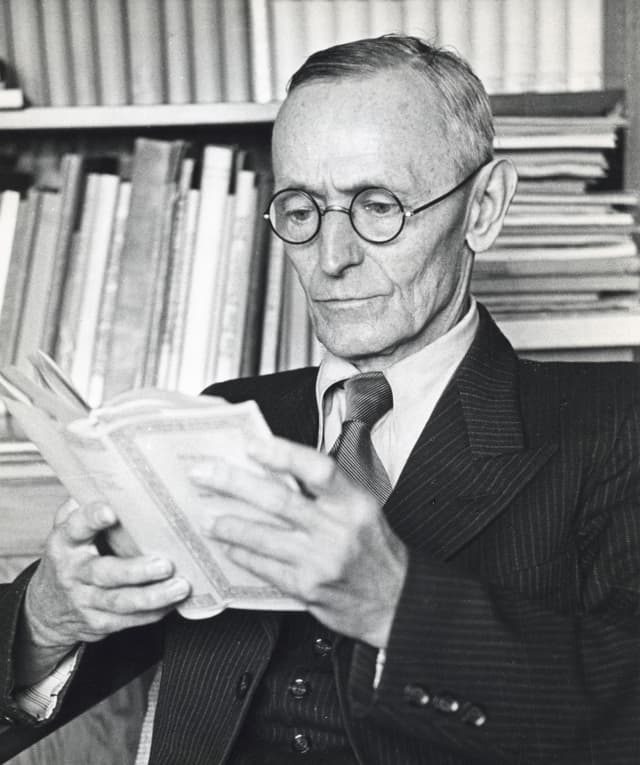
Hermann Hesse
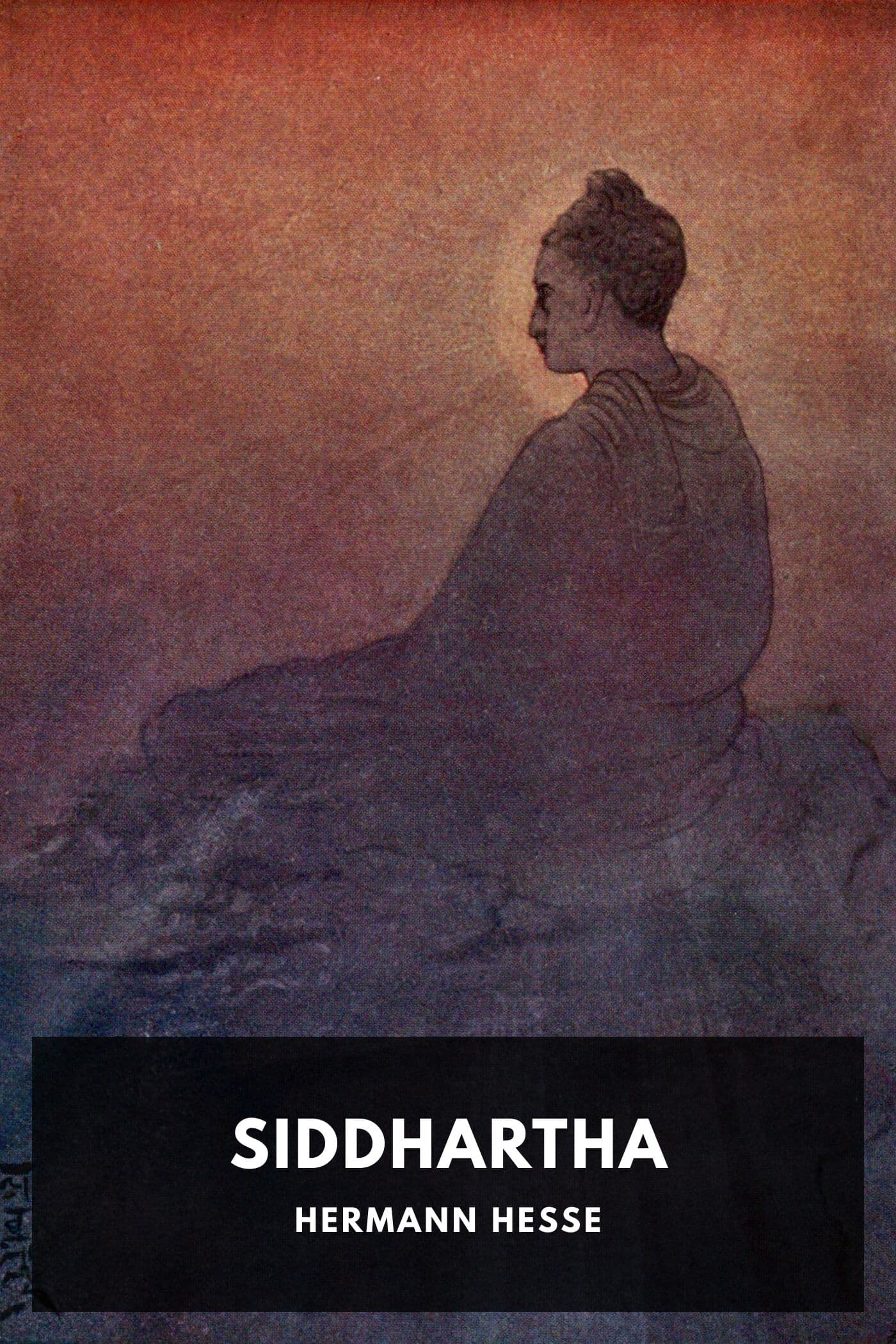
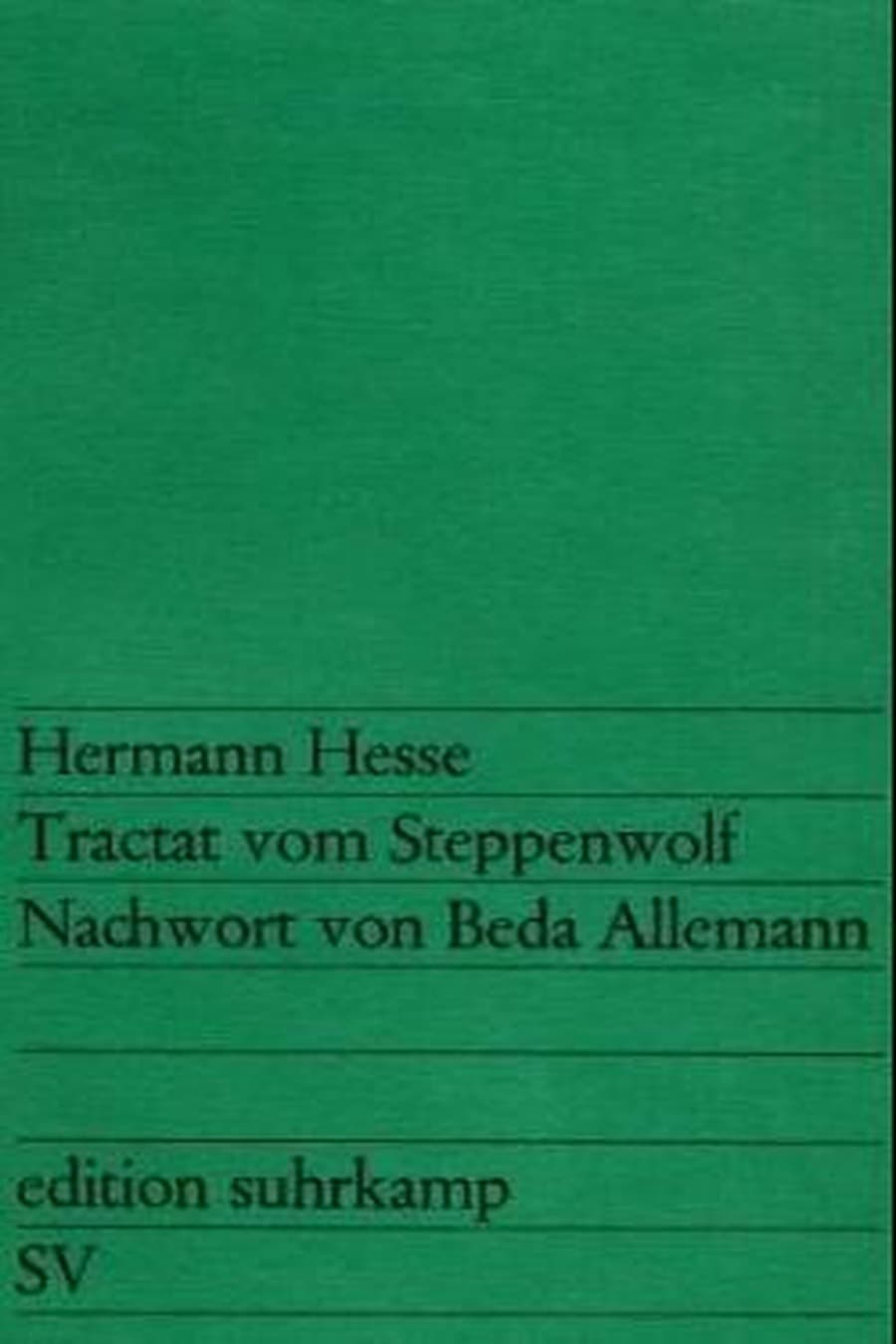
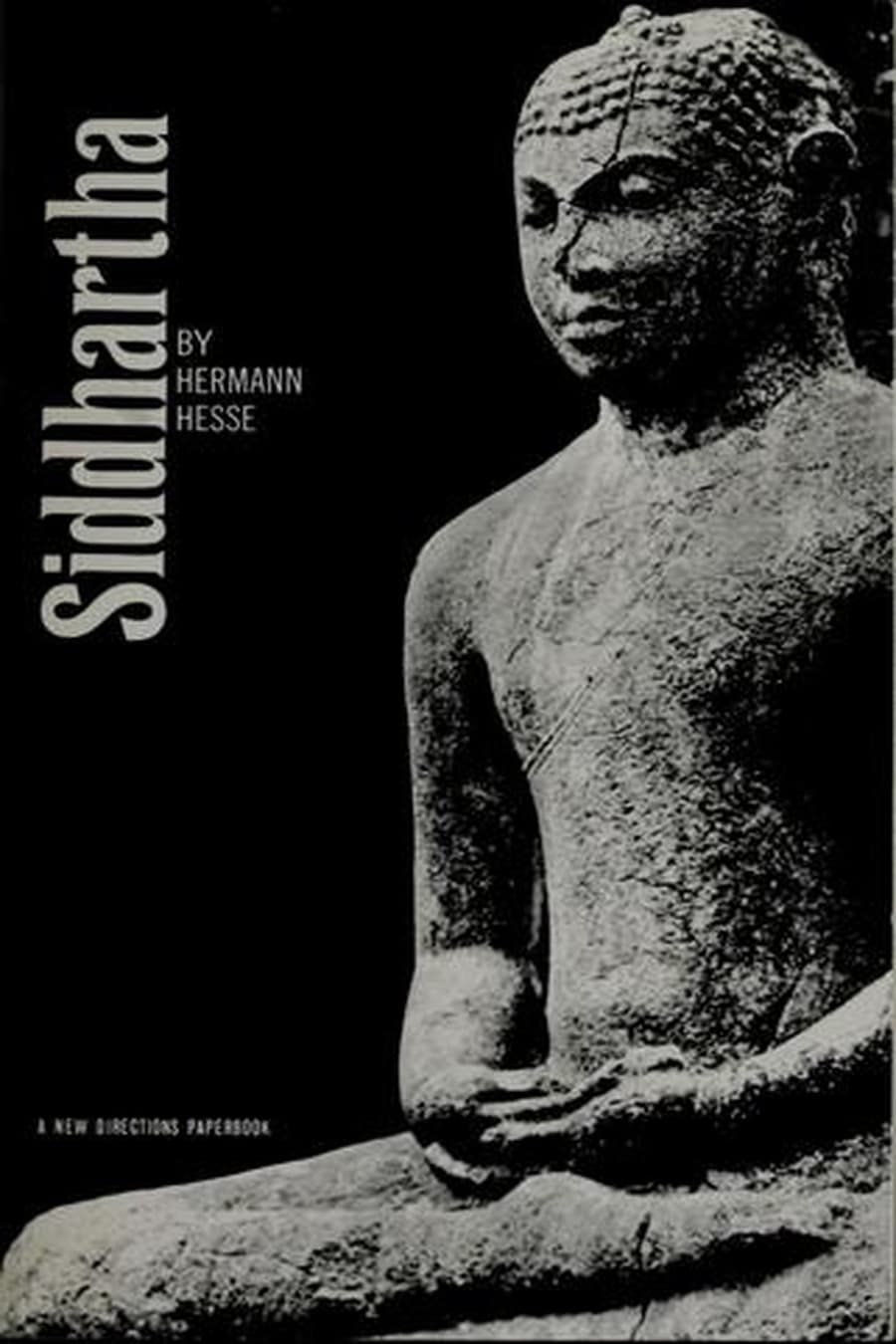
Hermann Hesse was a German-Swiss poet and novelist whose literary career spanned several decades and was marked by a profound exploration of the self and spirituality. Born in 1877, Hesse's early life was influenced by his family's strong religious background and his exposure to various philosophical ideas. His interest in Eastern philosophies and Jungian analysis significantly shaped his writing, leading him to delve into themes of individuality and self-discovery. Hesse's notable works include 'Demian,' 'Steppenwolf,' 'Siddhartha,' 'Narcissus and Goldmund,' and 'The Glass Bead Game,' each reflecting his quest for authenticity and the complexities of the human experience. Hesse's literary significance grew posthumously, particularly in the 1960s, when his works resonated with a generation seeking deeper meaning in the wake of World War II. He was awarded the Nobel Prize in Literature in 1946, recognizing his contributions to literature and his exploration of the human condition. Hesse's influence extended beyond the literary world, impacting various cultural movements and inspiring readers to embark on their own journeys of self-exploration and understanding. His legacy endures, as his works continue to be celebrated for their introspective depth and philosophical insights.
Famous Quotes
View all 20 quotes“If you hate a person, you hate something in him that is part of yourself. What isn't part of ourselves doesn't disturb us.””
“Wisdom cannot be imparted. Wisdom that a wise man attempts to impart always sounds like foolishness to someone else ... Knowledge can be communicated, but not wisdom. One can find it, live it, do wonders through it, but one cannot communicate and teach it.””
“Whoever wants music instead of noise, joy instead of pleasure, soul instead of gold, creative work instead of business, passion instead of foolery, finds no home in this trivial world of ours.””
Books from the author











Link to this page
Add a free, dofollow link to Lex on your blog, forum, syllabus, or reading list.

<a href="https://lex-books.com/author/hermann-hesse"><img src="https://lex-books.com/badges/read-on-lex.svg" alt="Hermann Hesse on Lex" width="160" height="40"></a>[](https://lex-books.com/author/hermann-hesse)[url=https://lex-books.com/author/hermann-hesse][img]https://lex-books.com/badges/read-on-lex.svg[/img][/url]Hermann Hesse on Lex: https://lex-books.com/author/hermann-hesse