Kasimir Edschmid
Kasimir Edschmid, originally named Eduard Hermann Wilhelm Schmid, was a prominent German Expressionist writer whose literary career spanned several styles and movements. Born in Darmstadt, he co-founded the Darmstädter Sezession in 1919, a collective that sought to promote modern art and literature. Edschmid's early works were characterized by their expressionist qualities, but he later transitioned to realism and eventually embraced a more visionary approach. His prolific output included notable travel writing, which showcased his keen observations and reflections on the world around him. Among his contributions to literature was his involvement in the art competition at the 1928 Summer Olympics, where his work gained recognition beyond the literary community. The rise of the Nazi regime marked a tumultuous period in Edschmid's life, as several of his works, including "Westdeutsche Fahrten," were burned in 1933 due to their perceived opposition to Nazi ideology. During World War II, he lived in a secluded village in Bavaria, practicing what is known as 'innere Emigration'—a form of internal exile where he distanced himself from the political turmoil. After the war, Edschmid emerged as a significant figure in West Germany's literary scene, contributing to the cultural landscape and influencing future generations of writers. His legacy lies in his ability to navigate and adapt to the changing tides of German literature, leaving behind a diverse body of work that reflects both personal and societal struggles.
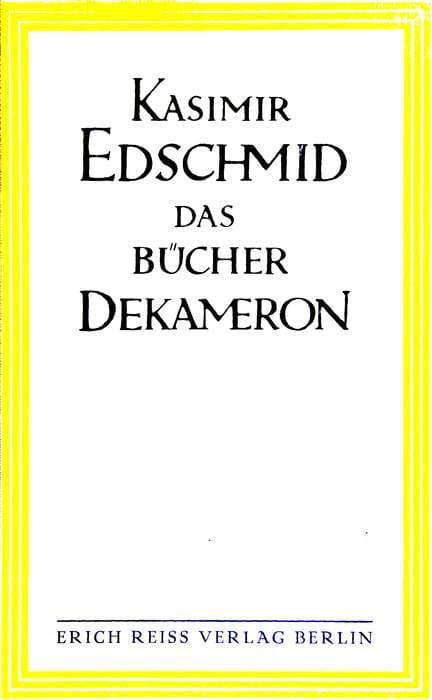
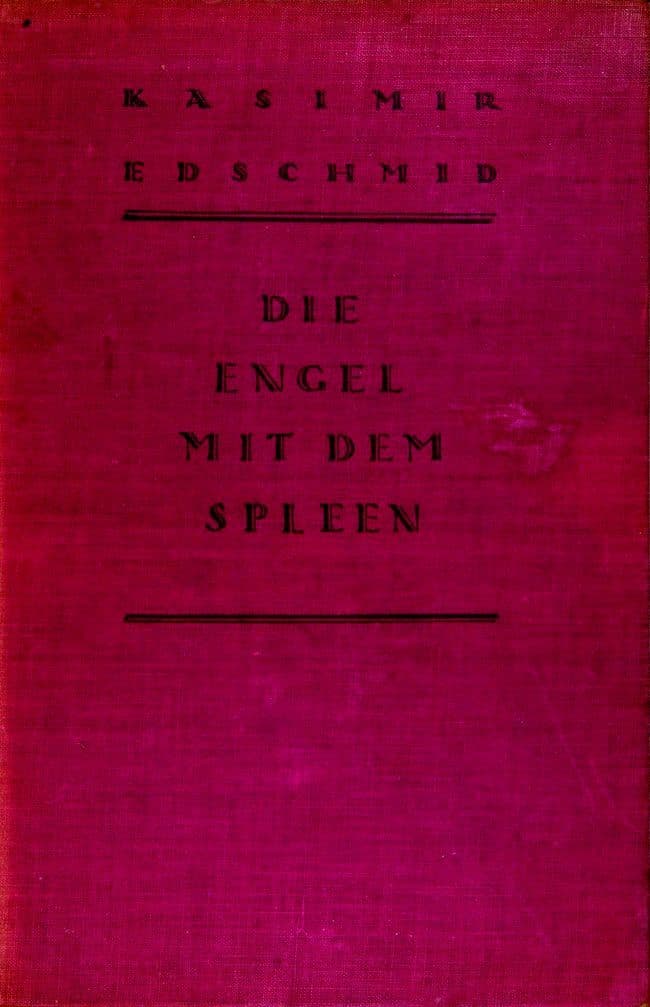
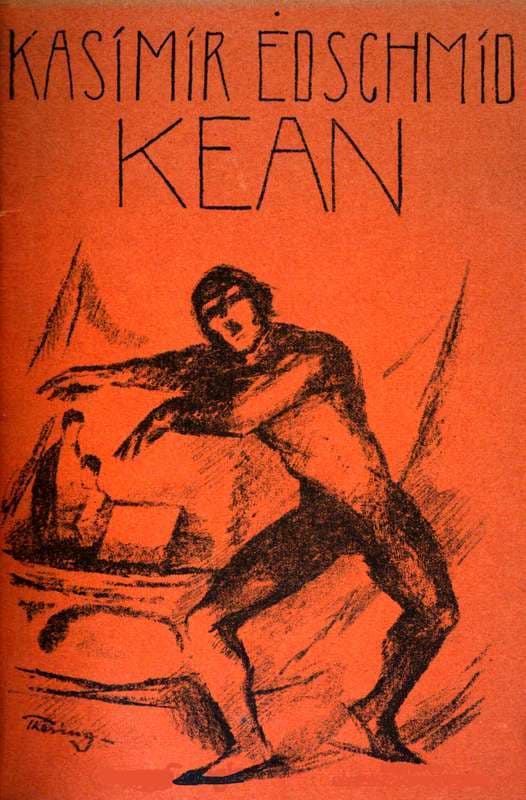
Books from the author


Link to this page
Add a free, dofollow link to Lex on your blog, forum, syllabus, or reading list.

<a href="https://lex-books.com/author/kasimir-edschmid"><img src="https://lex-books.com/badges/read-on-lex.svg" alt="Kasimir Edschmid on Lex" width="160" height="40"></a>[](https://lex-books.com/author/kasimir-edschmid)[url=https://lex-books.com/author/kasimir-edschmid][img]https://lex-books.com/badges/read-on-lex.svg[/img][/url]Kasimir Edschmid on Lex: https://lex-books.com/author/kasimir-edschmid