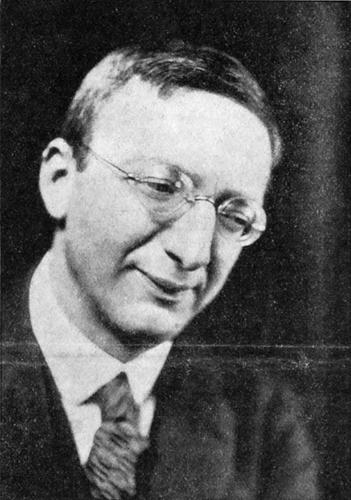
Alfred Döblin
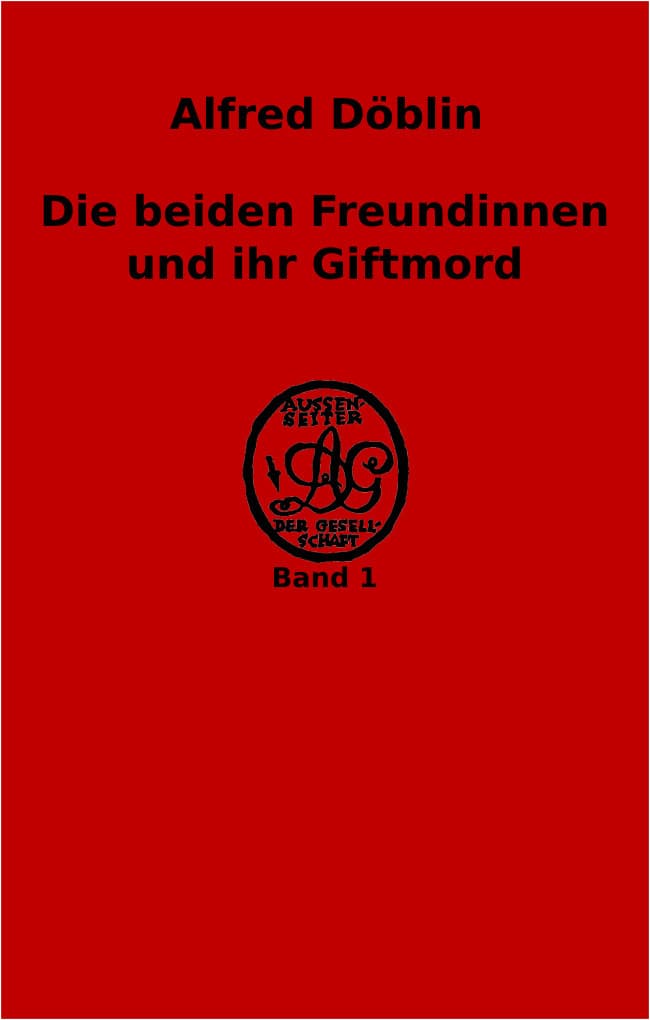
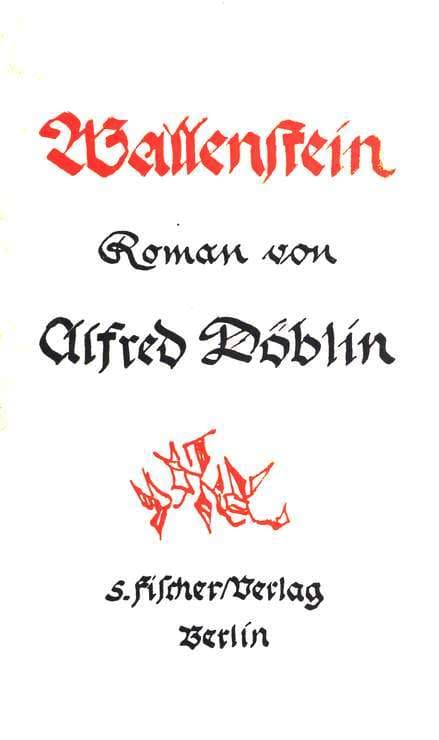
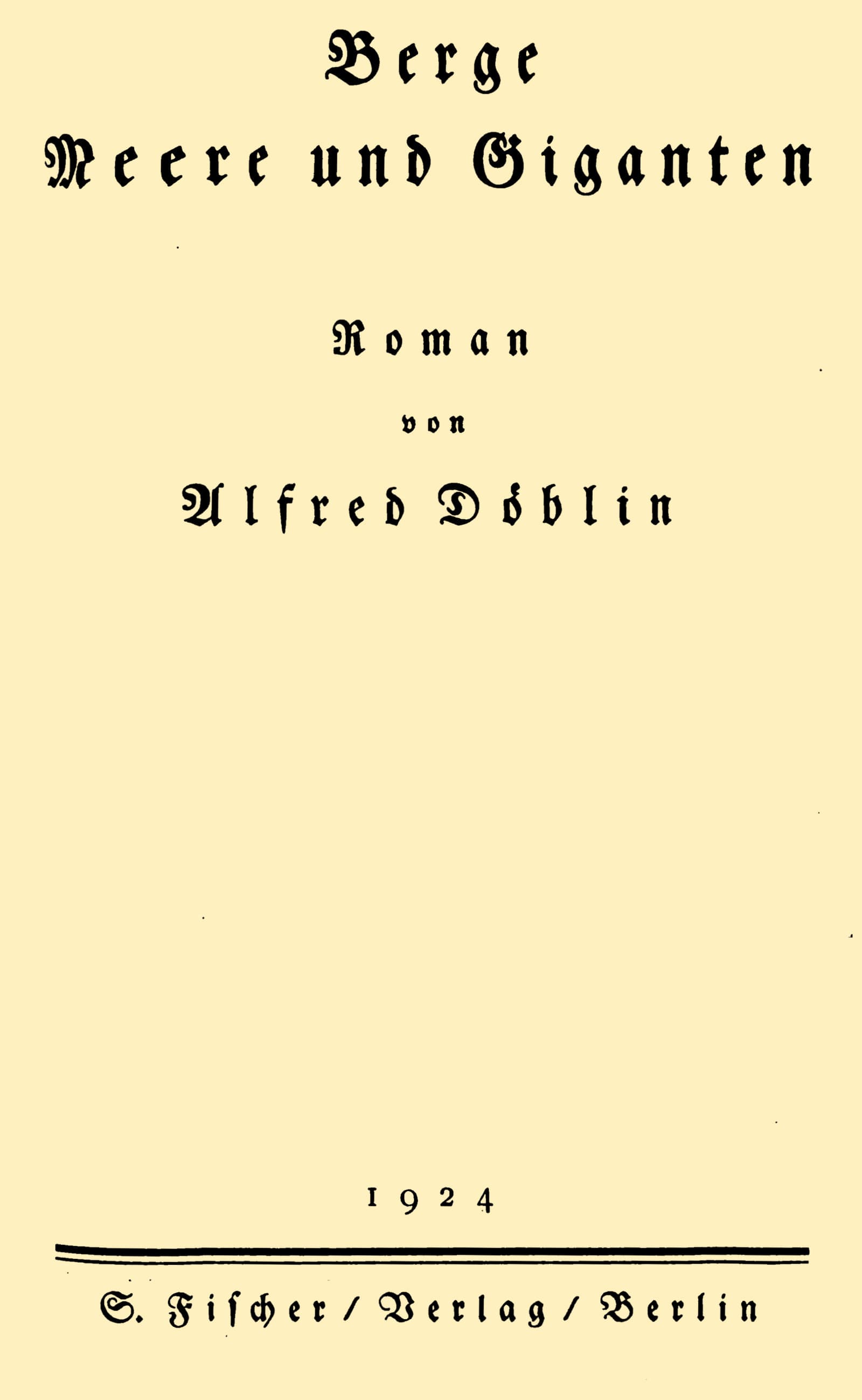
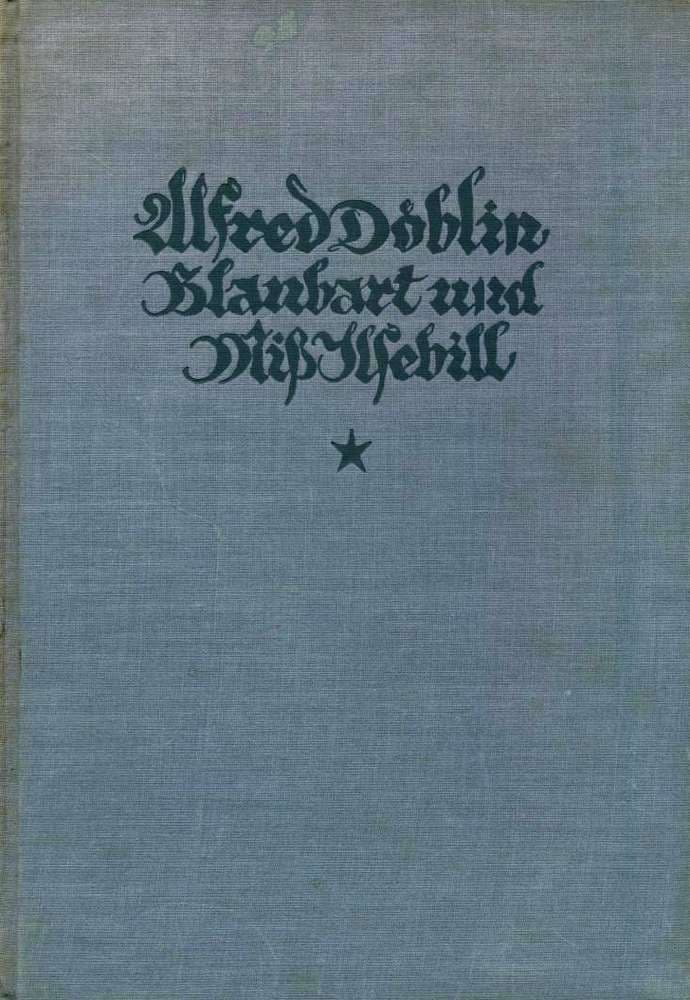
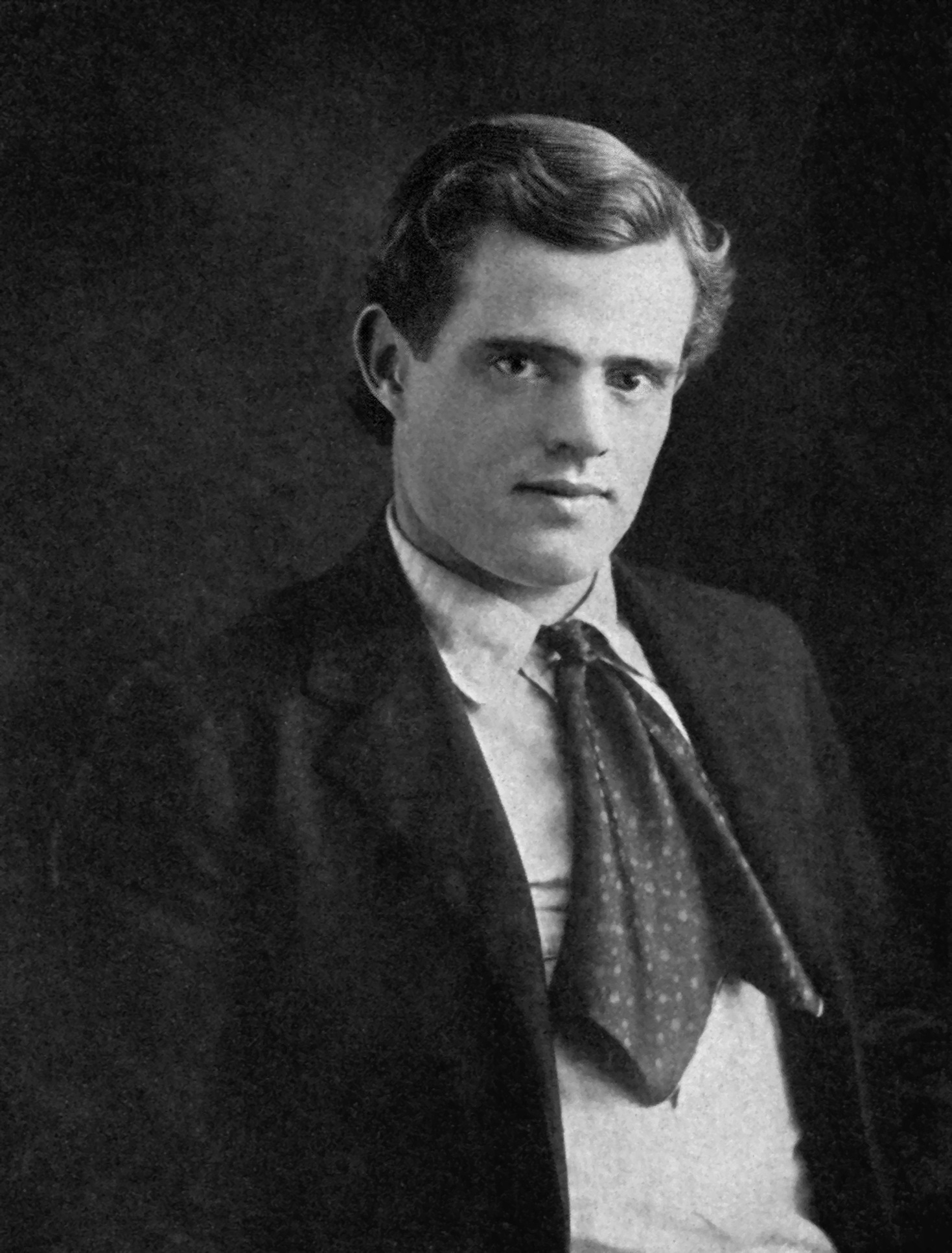
Alfred Döblin was a prominent German novelist and playwright, known for his innovative narrative techniques and exploration of modernity. Born in 1878 in Stettin, he became a significant figure in the literary landscape of the early 20th century, particularly associated with the expressionist movement. His works often reflect the tumultuous social and political changes of his time, blending realism with avant-garde elements. Döblin's most notable work, 'Berlin Alexanderplatz,' is a landmark in modernist literature, presenting a vivid portrait of urban life and the struggles of its inhabitants through a fragmented narrative style. In addition to 'Berlin Alexanderplatz,' Döblin wrote numerous other influential texts, including 'Die drei Sprünge des Wang-Lun,' which showcases his interest in cultural exchange and the complexities of identity. His collection 'Die Ermordung Einer Butterblume Und Andere Erzählungen' further demonstrates his skill in short fiction, often delving into themes of morality and existential inquiry. Throughout his career, Döblin's writing was marked by a deep engagement with the human condition, and he often employed a polyphonic style that incorporated multiple perspectives. His legacy endures as a pioneering voice in German literature, influencing subsequent generations of writers and thinkers, particularly in the realms of narrative structure and thematic depth.
Famous Quotes
View all 20 quotes“I read like the flame reads the wood.””
“So, go on rising, sun, you don't frighten us. We don't care about your many miles, your diameter, your volume. Warm sun, just rise, bright light, arise. You are not big, you are not small, you are happiness.””
“He swore to all the world and to himself that he would remain decent. And as long as he had money, he remained decent. But then he ran out of money, which was a moment he had been waiting for, to show them all what he was made of.””
Books from the author




Link to this page
Add a free, dofollow link to Lex on your blog, forum, syllabus, or reading list.

<a href="https://lex-books.com/author/alfred-döblin"><img src="https://lex-books.com/badges/read-on-lex.svg" alt="Alfred Döblin on Lex" width="160" height="40"></a>[](https://lex-books.com/author/alfred-döblin)[url=https://lex-books.com/author/alfred-döblin][img]https://lex-books.com/badges/read-on-lex.svg[/img][/url]Alfred Döblin on Lex: https://lex-books.com/author/alfred-döblin