
Robert Walser
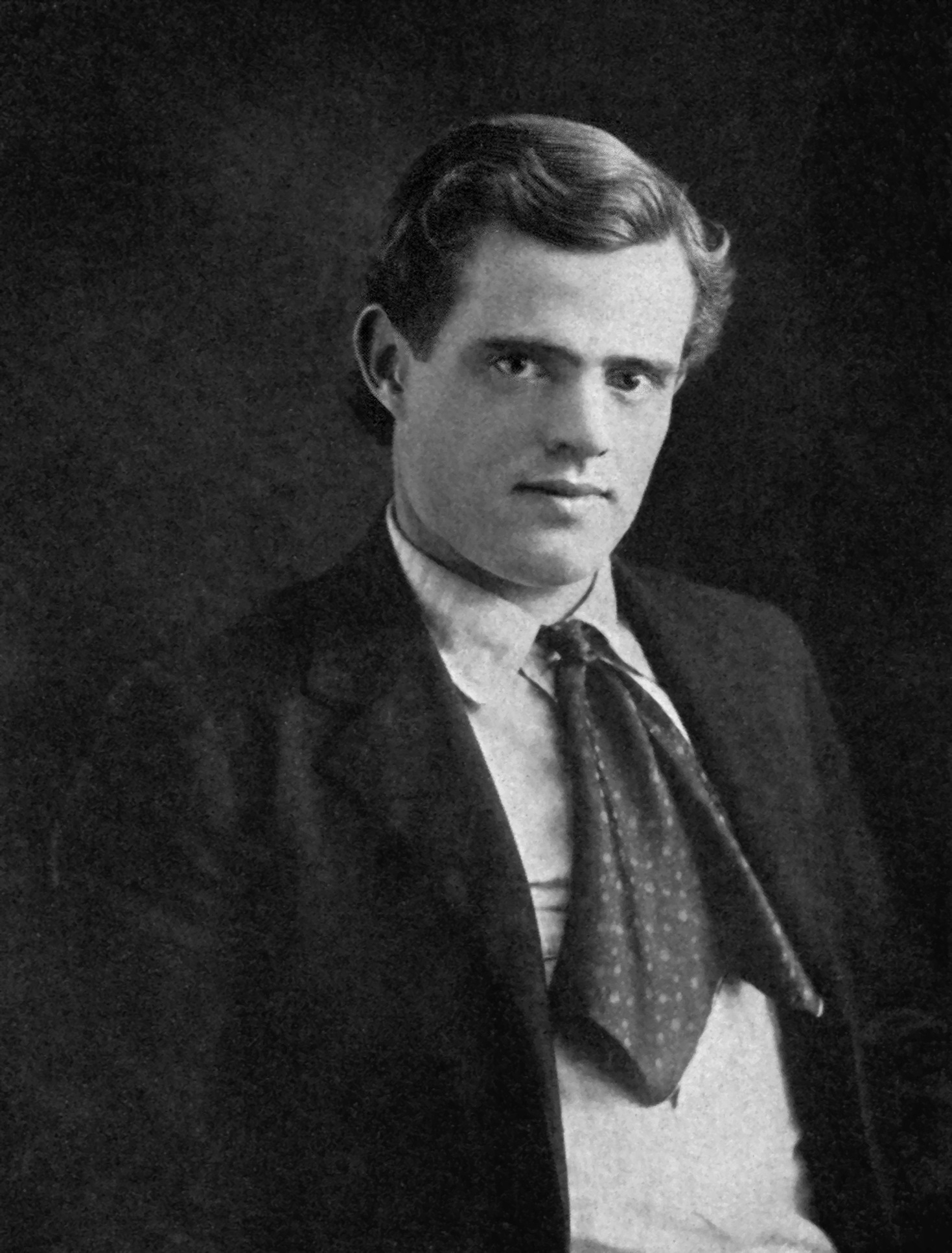
Robert Walser was a Swiss writer known for his unique contributions to German literature during the early 20th century. Born in 1878, he led a life marked by a series of low-paying jobs, including that of a copyist and a butler, which informed his perspective on society and the human condition. His early works, such as 'Fritz Kocher's Essays' and 'The Tanners,' showcased his innovative narrative style and keen observations of everyday life, blending elements of modernism with a distinctive voice that set him apart from his contemporaries. Despite initial acclaim, including recognition from influential figures like Franz Kafka, Walser's popularity waned in the 1920s and 1930s, leading to financial struggles and a gradual retreat from public life. In the latter part of his life, Walser faced significant mental health challenges, culminating in a nervous breakdown that resulted in his admission to various sanatoriums. During this period, he continued to write, producing a series of prose pieces that reflected his introspective nature and philosophical musings. His later works, such as 'The Walk' and 'The Robber,' further solidified his reputation as a master of the short form and a precursor to postmodern literature. Though largely overlooked during his lifetime, Walser's literary significance has grown in the decades following his death, influencing a new generation of writers and earning him a place as a key figure in the exploration of modernist themes and existential thought.
Famous Quotes
View all 3 quotes“That is all very senseless, but this senselessness has a pretty mouth, and it smiles.”
“I don't want a future, I want a present. To me this appears of greater value. You have a future only when you have no present, and when you have a present, you forget to even think about the future.”
“Ultimately, the most romantic thing is the heart, and every sensitive person carries in himself old cities enclosed by ancient walls.”
Books from the author






Link to this page
Add a free, dofollow link to Lex on your blog, forum, syllabus, or reading list.

<a href="https://lex-books.com/author/robert-walser"><img src="https://lex-books.com/badges/read-on-lex.svg" alt="Robert Walser on Lex" width="160" height="40"></a>[](https://lex-books.com/author/robert-walser)[url=https://lex-books.com/author/robert-walser][img]https://lex-books.com/badges/read-on-lex.svg[/img][/url]Robert Walser on Lex: https://lex-books.com/author/robert-walser