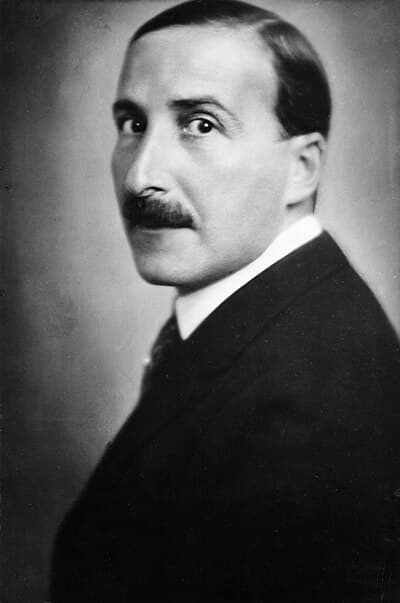
Stefan Zweig
Stefan Zweig was an influential Austrian writer, renowned for his profound psychological insights and historical narratives. Born into a Jewish family in Vienna, he emerged as one of the most popular and widely translated authors of the early 20th century, particularly during the 1920s and 1930s. Zweig's literary oeuvre includes notable works such as 'Letter from an Unknown Woman' and 'Beware of Pity,' both of which explore the complexities of human emotions and relationships. His historical writings, including 'Three Masters' and biographies of figures like Marie Antoinette and Mary Stuart, reflect his fascination with the interplay of personal and historical narratives, showcasing his ability to blend fiction with rigorous historical research. As the political landscape in Europe shifted dramatically with the rise of the Nazi regime, Zweig's life took a tumultuous turn. He emigrated first to England, then briefly to New York, and finally settled in Brazil, where he found a temporary refuge. Despite his initial admiration for Brazil, Zweig's disillusionment with the state of Europe deepened, culminating in his tragic death alongside his wife in 1942. His memoir, 'The World of Yesterday,' provides a poignant reflection on the cultural and political changes of his time, and remains a significant work for understanding the legacy of the Austro-Hungarian Empire. Zweig's literary contributions continue to resonate, influencing generations of writers and readers alike.
Famous Quotes
View all 3 quotes“Time to leave now, get out of this room, go somewhere, anywhere; sharpen this feeling of happiness and freedom, stretch your limbs, fill your eyes, be awake, wider awake, vividly awake in every sense and every pore.”
“Nothing whets the intelligence more than a passionate suspicion, nothing develops all the faculties of an immature mind more than a trail running away into the dark.”
“The strength of a love is always misjudged if we evaluate it by its immediate cause and not the stress that went before it, the dark and hollow space full of disappointment and loneliness that precedes all the great events in the heart's history.”
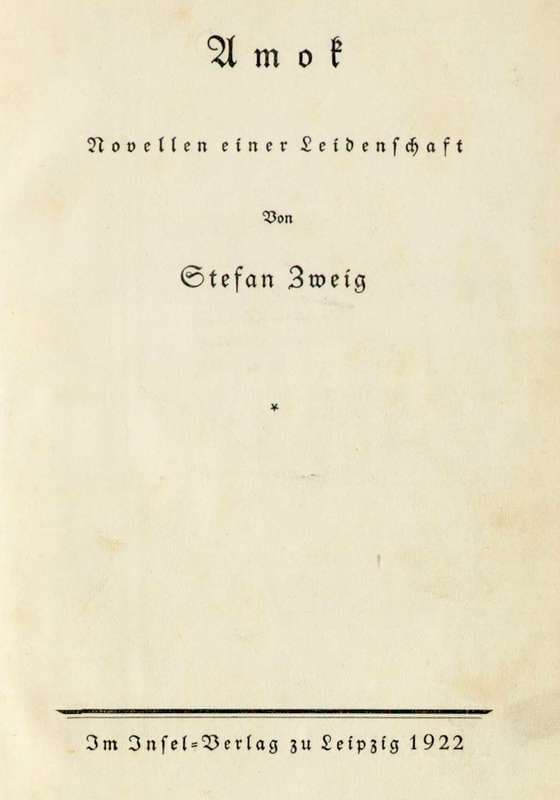
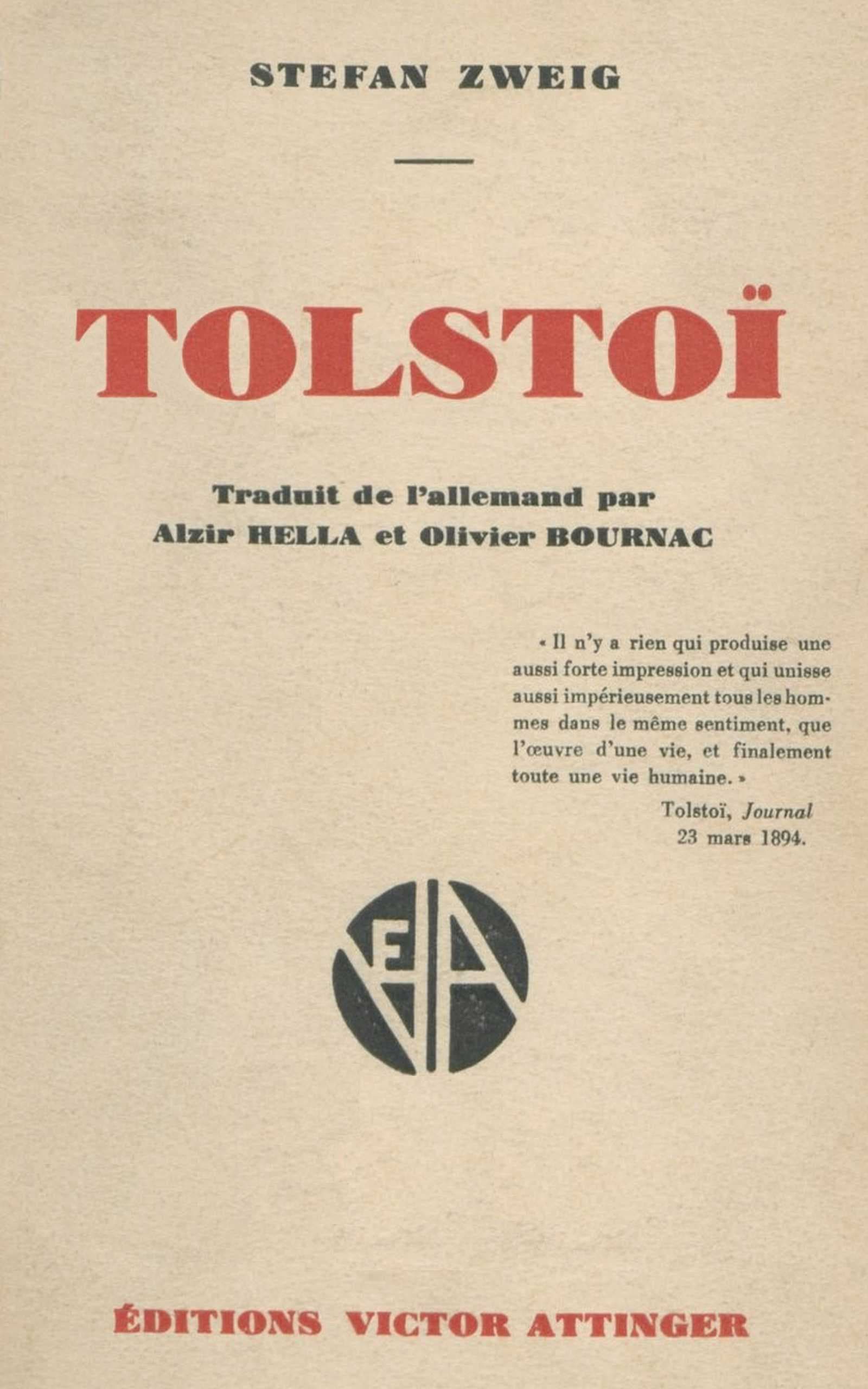
Books from the author



Link to this page
Add a free, dofollow link to Lex on your blog, forum, syllabus, or reading list.

<a href="https://lex-books.com/author/stefan-zweig"><img src="https://lex-books.com/badges/read-on-lex.svg" alt="Stefan Zweig on Lex" width="160" height="40"></a>[](https://lex-books.com/author/stefan-zweig)[url=https://lex-books.com/author/stefan-zweig][img]https://lex-books.com/badges/read-on-lex.svg[/img][/url]Stefan Zweig on Lex: https://lex-books.com/author/stefan-zweig