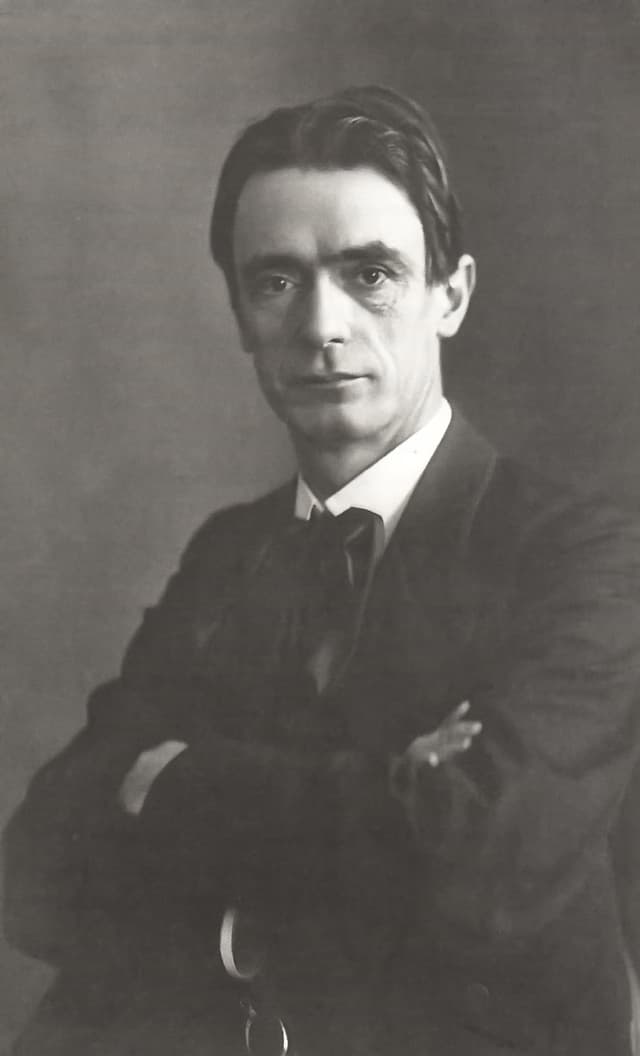
Rudolf Steiner
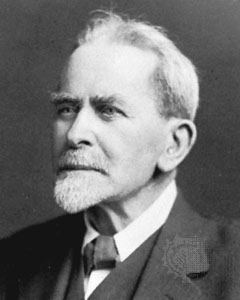
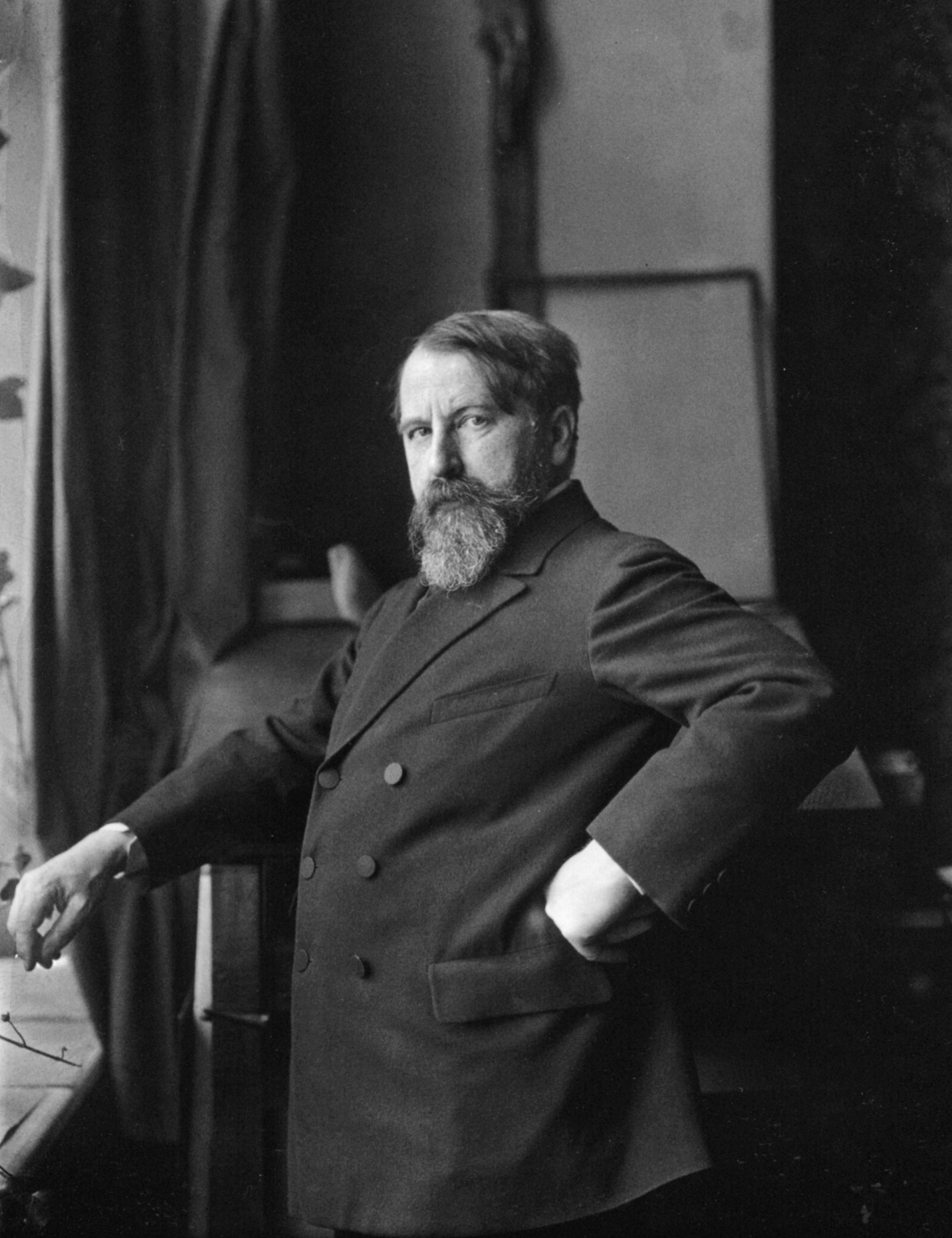
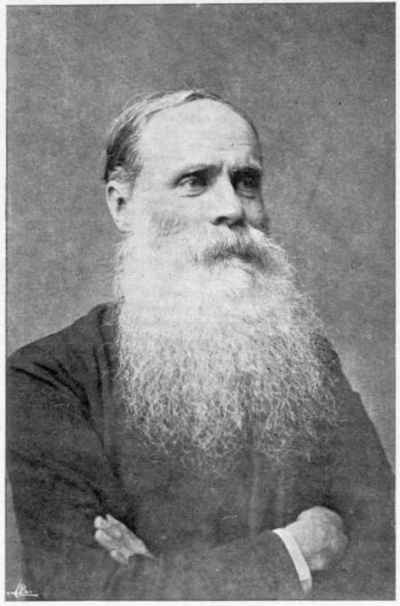
Rudolf Steiner was an Austrian philosopher and social reformer known for founding anthroposophy, a spiritual movement that sought to integrate science and spirituality. Initially recognized as a literary critic, his early work, including 'The Philosophy of Freedom,' laid the groundwork for his later explorations into esoteric philosophy. Steiner's approach was characterized by a desire to synthesize Western philosophical clarity with spiritual inquiry, distinguishing his ideas from more traditional mysticism. He believed in the potential of human thought as a means of perception, akin to sensory experiences, which he articulated through the lens of Johann Wolfgang von Goethe's worldview. In the early 20th century, Steiner expanded his influence beyond philosophy into the arts, collaborating on various projects that included drama, dance, and architecture. His most notable architectural achievement, the Goetheanum, served as a cultural center for the arts and a hub for his teachings. After World War I, he shifted focus towards practical applications of his ideas, leading to the establishment of Waldorf education, biodynamic agriculture, and anthroposophical medicine. Steiner's legacy endures through these initiatives, which continue to impact education and agriculture, reflecting his commitment to ethical individualism and the belief in the limitless potential of human knowledge.
Famous Quotes
View all 3 quotes“Love starts when we push aside our ego and make room for someone else.”
“If we do not believe within ourselves this deeply rooted feeling that there is something higher than ourselves, we shall never find the strength to evolve into something higher.”
“Our highest endeavor must be to develop free human beings who are able of themselves to impart purpose and direction to their lives. The need for imagination, a sense of truth, and a feeling of responsibility—these three forces are the very nerve of education.”
Books from the author










Link to this page
Add a free, dofollow link to Lex on your blog, forum, syllabus, or reading list.

<a href="https://lex-books.com/author/rudolf-steiner"><img src="https://lex-books.com/badges/read-on-lex.svg" alt="Rudolf Steiner on Lex" width="160" height="40"></a>[](https://lex-books.com/author/rudolf-steiner)[url=https://lex-books.com/author/rudolf-steiner][img]https://lex-books.com/badges/read-on-lex.svg[/img][/url]Rudolf Steiner on Lex: https://lex-books.com/author/rudolf-steiner