
Wilhelm Bölsche
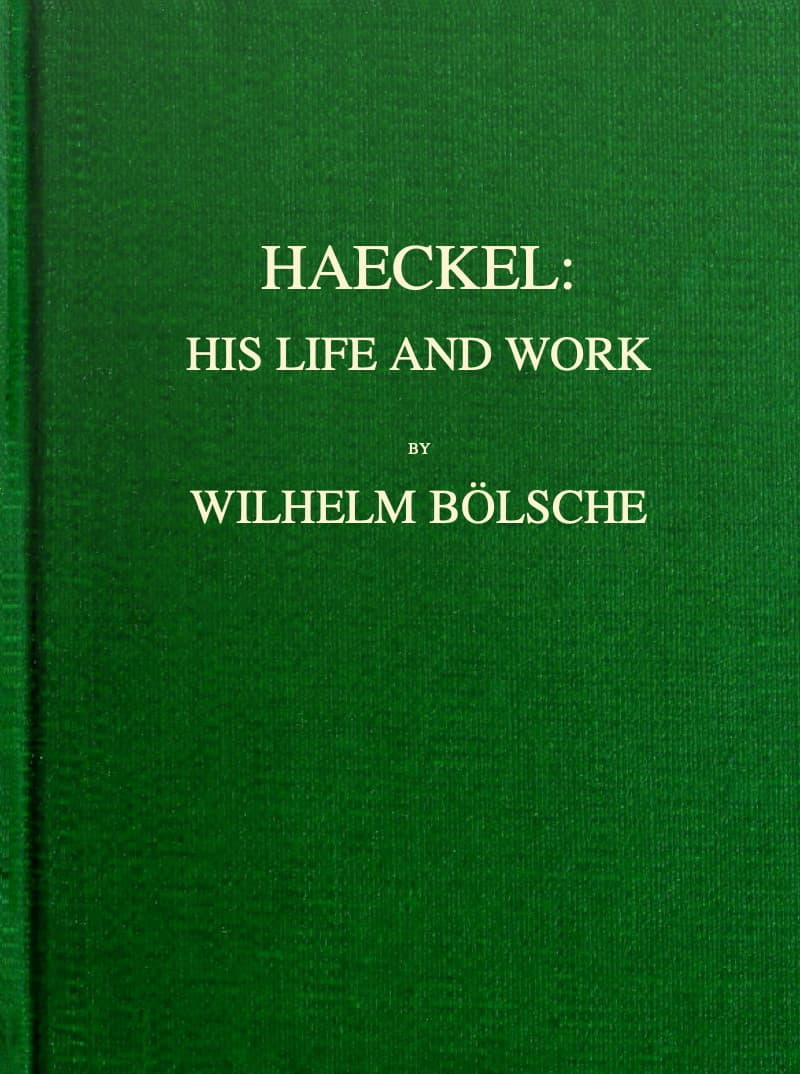
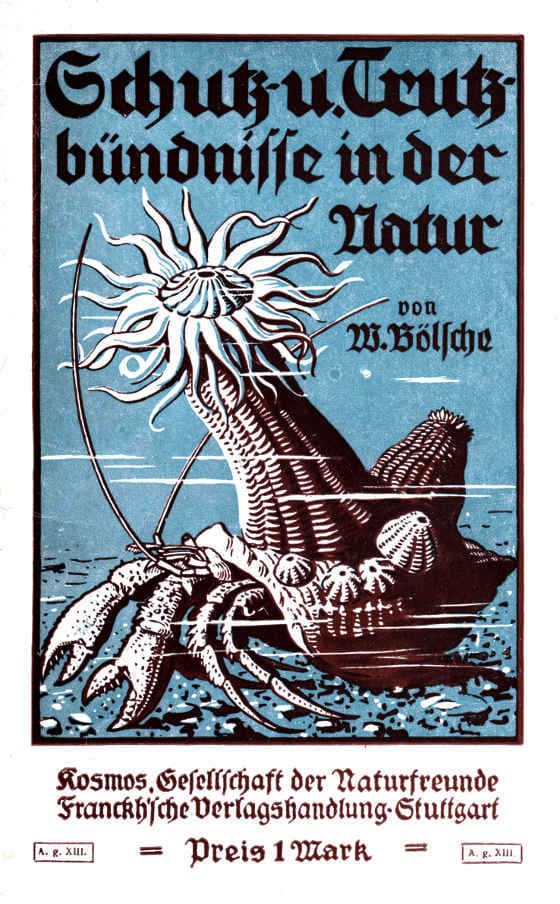
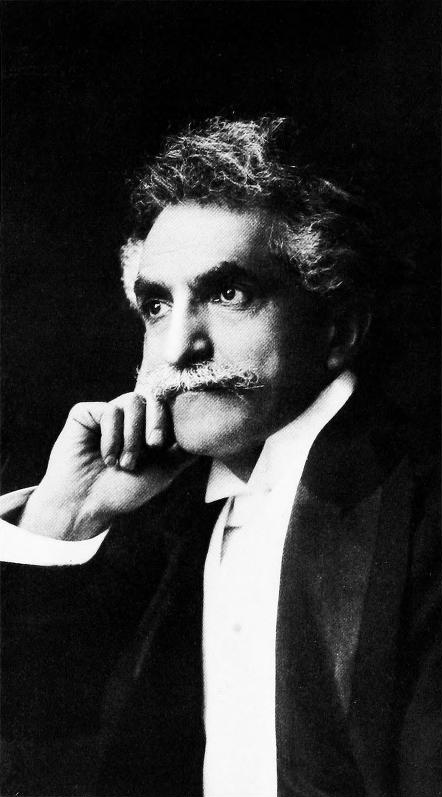
Wilhelm Bölsche was a German writer, naturalist, and philosopher known for his contributions to literature and science in the late 19th and early 20th centuries. Born in 1861, he initially pursued a career in natural sciences, which significantly influenced his literary work. Bölsche's writings often merged scientific inquiry with literary expression, reflecting his belief in the interconnectedness of nature and human experience. He was particularly interested in the relationship between humanity and the natural world, a theme that permeated much of his work. Among his notable works is "Die Natur und die Menschen" (Nature and Humans), which explores the philosophical implications of natural science on human existence. Bölsche also wrote extensively on the subject of evolution, contributing to the popularization of Darwinian thought in Germany. His literary style was characterized by a lyrical quality that sought to evoke a sense of wonder about the natural world. Bölsche's legacy lies in his ability to bridge the gap between science and literature, influencing later writers and thinkers who sought to explore similar themes. His work remains a testament to the rich interplay between scientific discovery and artistic expression during a transformative period in European thought.
Books from the author
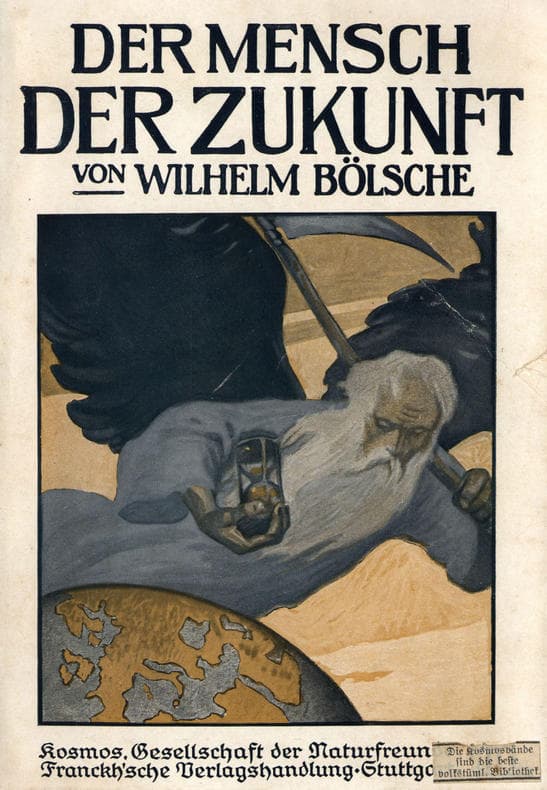




Link to this page
Add a free, dofollow link to Lex on your blog, forum, syllabus, or reading list.

<a href="https://lex-books.com/author/wilhelm-bölsche"><img src="https://lex-books.com/badges/read-on-lex.svg" alt="Wilhelm Bölsche on Lex" width="160" height="40"></a>[](https://lex-books.com/author/wilhelm-bölsche)[url=https://lex-books.com/author/wilhelm-bölsche][img]https://lex-books.com/badges/read-on-lex.svg[/img][/url]Wilhelm Bölsche on Lex: https://lex-books.com/author/wilhelm-bölsche