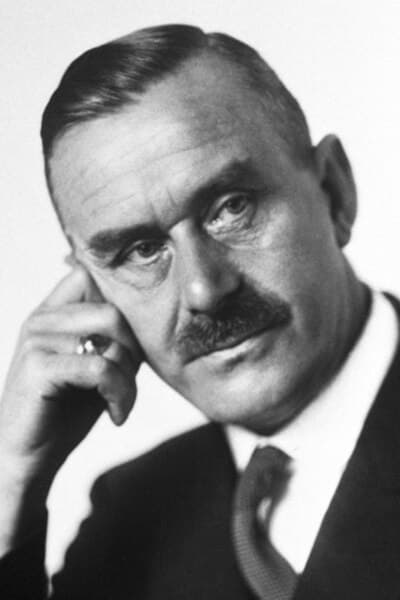
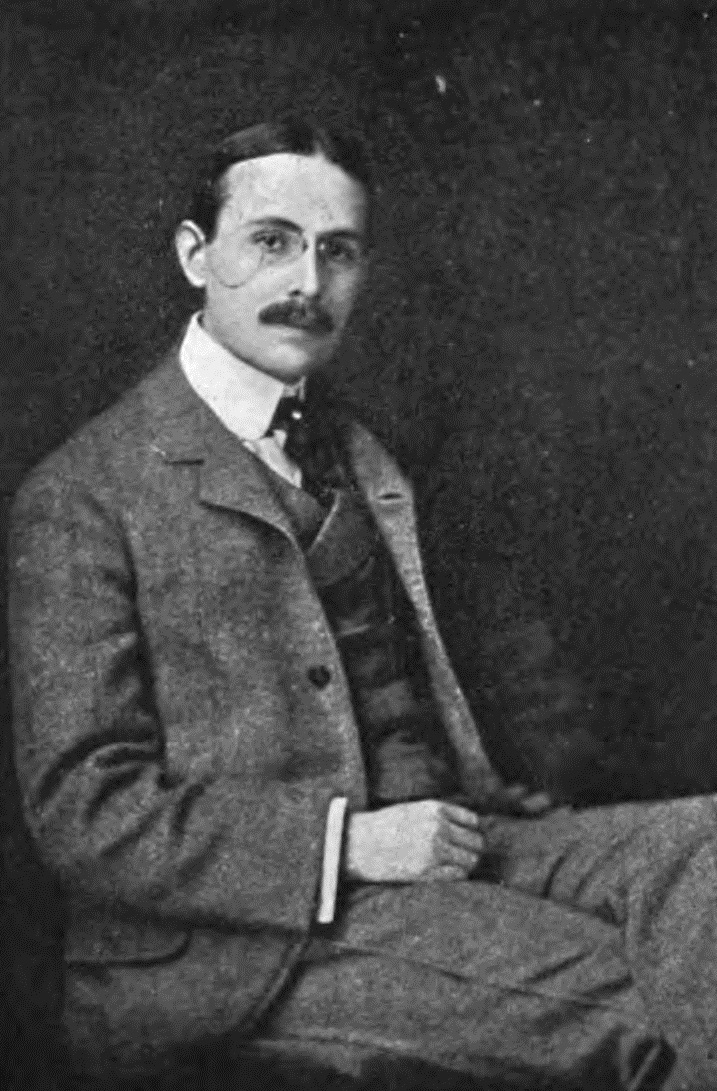
Thomas Mann
Thomas Mann was a prominent German novelist and essayist whose works explored the complexities of the human psyche and the moral dilemmas of society. Born into a well-to-do family in Lübeck, he gained early recognition with his first novel, 'Buddenbrooks' (1901), which depicted the decline of a merchant family and established Mann's reputation for blending personal and social themes. His later works, such as 'The Magic Mountain' (1924) and 'Doctor Faustus' (1947), delved into existential questions and the struggles of the artist in a rapidly changing world, often drawing on philosophical influences from Goethe, Nietzsche, and Schopenhauer. Mann's writing is characterized by its symbolic depth and ironic tone, making significant contributions to modern literature. A vocal critic of the Nazi regime, Mann fled Germany in 1933 and became a key figure in Exilliteratur, the literature produced by exiled writers opposing fascism. His experiences in exile informed much of his later work, including the tetralogy 'Joseph and His Brothers' (1933-1943), which reinterpreted biblical narratives with contemporary relevance. Mann's legacy endures through his profound insights into the human condition and his role in shaping 20th-century literature, earning him the Nobel Prize in Literature in 1929. His family also contributed to the literary landscape, with several of his children becoming notable writers themselves.
Famous Quotes
View all 3 quotes“A writer is someone for whom writing is more difficult than it is for other people.”
“Solitude gives birth to the original in us, to beauty unfamiliar and perilous - to poetry. But also, it gives birth to the opposite: to the perverse, the illicit, the absurd.”
“Tolerance becomes a crime when applied to evil.”
Books from the author





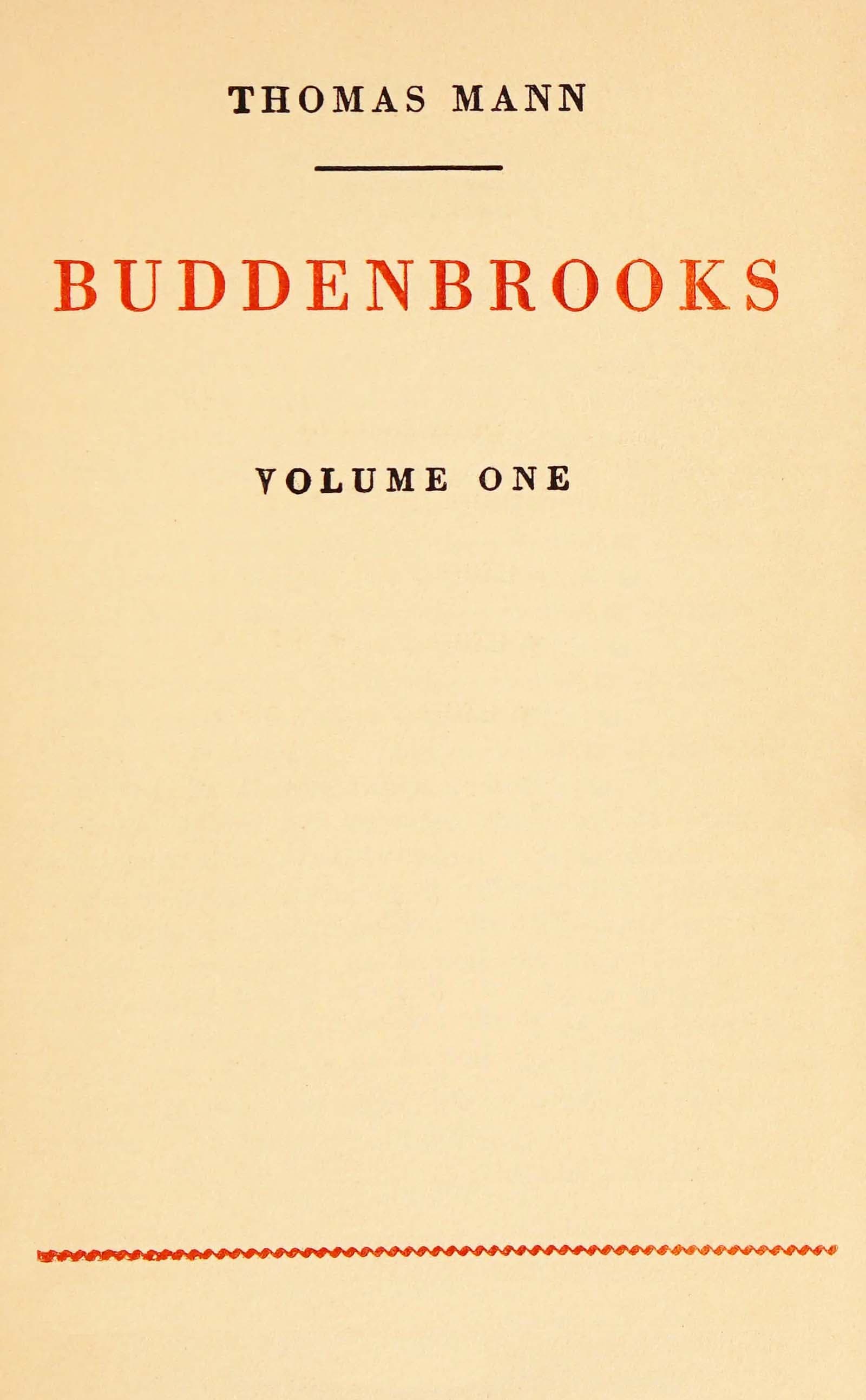
![Tonio Kröger[Erstausgabe; Illustrationen Von Erich M. Simon]](/_next/image?url=https%3A%2F%2Fd3b2n8gj62qnwr.cloudfront.net%2FCOVERS%2Fgutenberg_covers75k%2Febook-38692.png&w=3840&q=75)

Link to this page
Add a free, dofollow link to Lex on your blog, forum, syllabus, or reading list.

<a href="https://lex-books.com/author/thomas-mann"><img src="https://lex-books.com/badges/read-on-lex.svg" alt="Thomas Mann on Lex" width="160" height="40"></a>[](https://lex-books.com/author/thomas-mann)[url=https://lex-books.com/author/thomas-mann][img]https://lex-books.com/badges/read-on-lex.svg[/img][/url]Thomas Mann on Lex: https://lex-books.com/author/thomas-mann