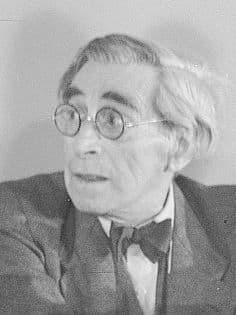
Bernhard Kellermann
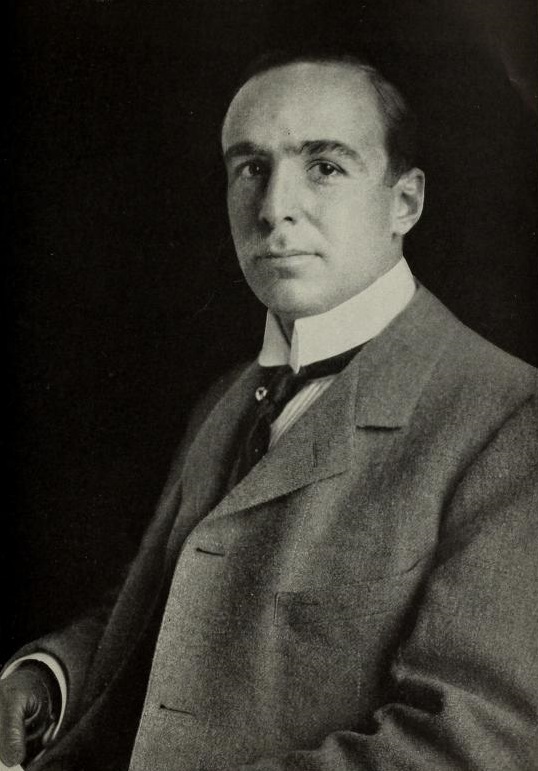
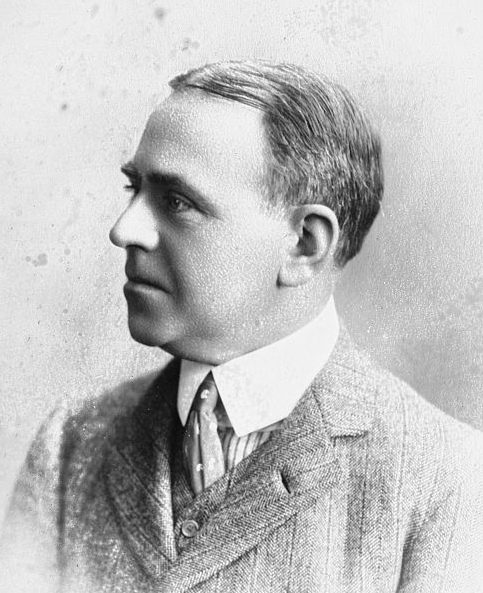
Bernhard Kellermann was a German author and poet known for his contributions to literature in the early 20th century. Born in Fürth, Bavaria, he became a prominent figure in the literary scene, particularly noted for his novel 'Der Tunnel' (1913), which explored themes of technology and human endeavor. This work, which depicted the construction of a tunnel beneath the Alps, was significant not only for its narrative but also for its reflection on the industrial age and its impact on society. Kellermann's writing often combined elements of realism with philosophical inquiry, making him a distinctive voice among his contemporaries. Throughout his career, Kellermann produced a variety of works, including novels, essays, and poetry, that engaged with the social and political issues of his time. His literary significance is underscored by his ability to address complex themes such as existentialism and the human condition, which resonated with the tumultuous events of the early 20th century. Despite facing challenges during the rise of the Nazi regime, which led to the suppression of his works, Kellermann's legacy endures through his exploration of the human experience in an increasingly mechanized world.
Famous Quotes
View all 1 quotes“They teach everything at schools but there is no textbook to teach how to get acquainted to a person.”
Books from the author












Link to this page
Add a free, dofollow link to Lex on your blog, forum, syllabus, or reading list.

<a href="https://lex-books.com/author/bernhard-kellermann"><img src="https://lex-books.com/badges/read-on-lex.svg" alt="Bernhard Kellermann on Lex" width="160" height="40"></a>[](https://lex-books.com/author/bernhard-kellermann)[url=https://lex-books.com/author/bernhard-kellermann][img]https://lex-books.com/badges/read-on-lex.svg[/img][/url]Bernhard Kellermann on Lex: https://lex-books.com/author/bernhard-kellermann